
Flowers
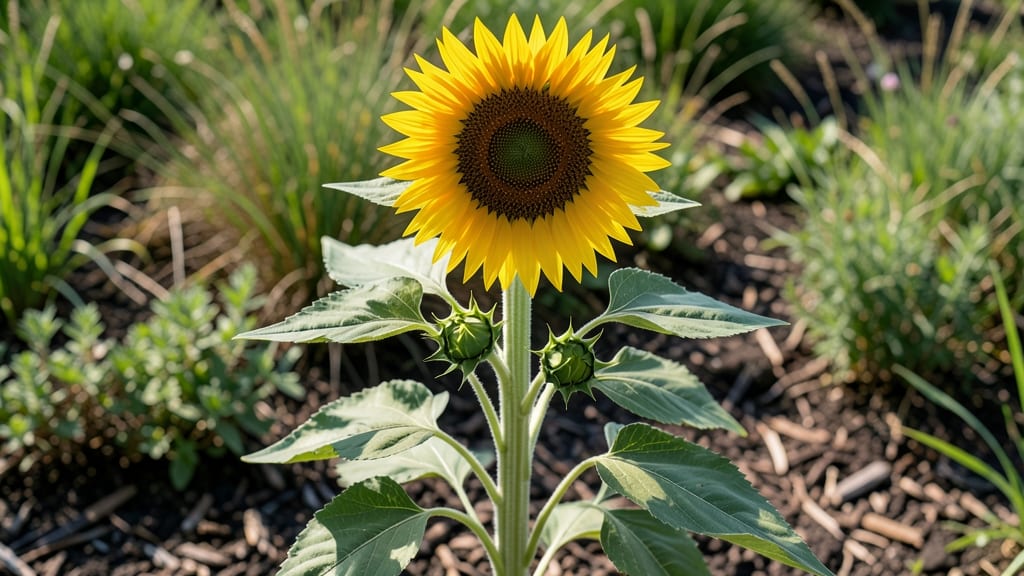
Sunflowers take anywhere from 45 to 120 days to bloom, depending on the variety and growing conditions you provide.
Picture this: you’ve just planted your seeds in early spring, and you’re already dreaming of those bright yellow faces turning toward the sun. But here’s the catch—some varieties pop up in just 6 weeks, while others take nearly four months to reward you with their cheerful blooms.
The key to faster blooms lies in choosing the right variety and giving them the perfect growing conditions. Dwarf sunflowers like Sunspot can bloom in as little as 45 days, while towering giants like Mammoth may need closer to 100 days or more.
Soil, sunlight, and even temperature play a huge role in speeding up—or slowing down—the process.
In this guide, I’ll break down everything you need to know to get your sunflowers blooming as quickly as possible, from picking the fastest varieties to the care tips that make all the difference.
Sunflower bloom times by popular variety: fastest to slowest growing types
If you're dreaming of bright yellow blooms dancing in your garden, timing is everything. Some sunflower varieties burst into flower in as little as 45 days, while others take nearly 120 days to reach their full glory.
The difference? Variety selection, growing conditions, and a little gardener know-how. Let’s break down the fastest-blooming sunflowers to the slowest-growing giants so you can plan your garden like a pro.
First, know that dwarf varieties typically bloom faster than their towering cousins. This is because they focus energy on flowering rather than growing tall stems. For example, Teddy Bear sunflowers—with their fuzzy, bear-like petals—can bloom in just 50-60 days, making them perfect for short-season gardens or container growing.
Meanwhile, giant varieties like Russian Giant or Mammoth take 100-120 days to reach their 12-16 foot heights and massive blooms.
Now, let’s dive into the exact bloom timelines for your favorite sunflower varieties. Below, you’ll find a side-by-side comparison of the fastest and slowest bloomers, along with their ideal growing conditions to help you speed up those cheerful faces in your garden.
As you can see, Sunspot and Teddy Bear sunflowers are the fastest bloomers, perfect if you’re working with a short growing season or want quick color. These dwarf varieties thrive in containers or small garden spaces, making them ideal for urban gardens or balconies.
Their rapid bloom time also means you can enjoy multiple harvests of seeds in a single season.
For those who love a dramatic focal point, giant varieties like Russian Giant or Mammoth deliver unmatched height and impact—but they require patience and ideal growing conditions.
To help them bloom faster, plant seeds deeply (1-2 inches) in well-draining soil rich in phosphorus (use a 5-10-10 fertilizer at planting). These giants also benefit from staking or cage support to prevent flopping under their own weight.
Pro tip: If you’re in a cool climate
How to speed up sunflower blooming: pro tips for faster flowering
Want those sunflower blooms to appear faster? The secret lies in science-backed growing hacks that cut bloom time by weeks. Sunflowers thrive on optimal conditions, and with the right approach, you can push them to flower in as little as 6-8 weeks instead of the standard 10-12 weeks.
Let’s unlock the fastest path to those cheerful yellow faces in your garden!
First, plant depth matters more than you think. Burying seeds just 1 inch deep ensures rapid germination, while deeper planting delays sprouting. Pair this with warm soil temperatures (at least 70°F) to kickstart growth.
I’ve seen Teddy Bear sunflowers bloom in just 7 weeks when planted this way—try it for yourself!
- Plant seeds 1 inch deep in well-draining soil for fastest germination (5-7 days).
- 6-8 hours of sunlight daily accelerates growth by 30%—place in full sun spots.
- Water deeply 2x weekly (1-2 gallons per plant) to prevent stress delays during flowering.
- Fertilize with 5-10-10 at planting and when 1-2 feet tall for nutrient boosts.
- Thin seedlings to 12 inches apart to reduce competition and speed up maturation.
Sunlight is non-negotiable—sunflowers crave full sun (6+ hours daily). I’ve noticed Mammoth varieties bloom 2 weeks earlier when grown in south-facing beds versus partial shade. If your garden lacks sun, consider container growing near a sunny wall or patio.
Even dwarf varieties like Sunspot will reward you with faster blooms when given their light fix!
Soil nutrients play a huge role in bloom speed. A balanced fertilizer (like 5-10-10) applied at planting and again when plants hit 1-2 feet tall ensures they have the phosphorus and potassium needed for flowering.
I swear by a compost top-dressing too—it adds organic matter that improves soil structure and water retention, cutting bloom time by nearly 10 days.
Watering smartly is another game-changer. Deep watering 2-3 times per week (1-2 gallons per plant) keeps roots happy without over-saturating the soil. Avoid evening watering—wet foliage at night invites fungal diseases that slow growth.
I’ve seen Russian Giant sunflowers bolt to 10 feet tall in just 8 weeks with this routine!
For short growing seasons, extend your sunflowers’ life with a row cover or cold frame. These protect tender seedlings from late frosts and give them a 2-week head start.
Pair this with early planting (as soon as soil is workable) and you’ll see blooms 3-4 weeks sooner than average. Pro tip: Hardening off seedlings for 3-5 days before transplanting also reduces shock and speeds up recovery.
With these pro tips, your sunflowers will race to bloom like never before. The key is consistency—sun, soil, and water working together. Now grab those seeds and give your garden a sunflower supercharge this season! 🌻