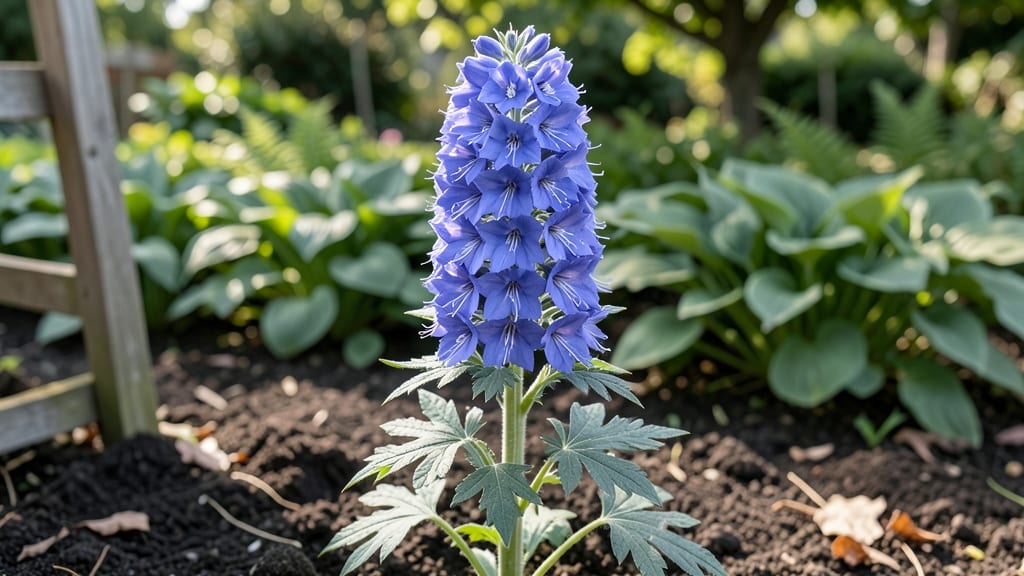
Long-stemmed blue flowers bring a cool, dreamy elegance to any vase or garden border, and Delphiniums 🌸 are the undisputed stars of the bunch.
Picture this: a bouquet so striking it makes every room feel like a summer morning by the lake, with stems that last for a full week or more. The secret isn’t just choosing the right blooms—it’s knowing which varieties hold their color, their height, and their freshness the longest.
From towering Delphiniums that reach 5 feet tall to delicate cornflowers with stems that bend without breaking, these 12 best blue flowers are designed for cutting. They thrive in USDA Zone 6a and beyond, with planting windows in March and April for peak summer harvests from June to August.
Below, I’ll walk you through the top picks for your cutting garden, how to grow them for maximum vase life, and the simple tricks to keep them looking vibrant—whether you’re arranging a centerpiece or filling a rustic mason jar with garden-fresh beauty.
12 Long-stemmed blue flowers perfect for cutting gardens
There's nothing quite like the cool elegance of long-stemmed blue flowers in a vase, creating an instant focal point that feels fresh and timeless.
These 12 standout varieties are my top picks for cutting gardens because they deliver sturdy stems (12+ inches), vibrant blue hues, and exceptional vase life—often lasting 7-10 days with proper care.
What makes these flowers truly special is their adaptability. Whether you're a beginner gardener or a seasoned pro, these hardy annuals and perennials thrive in USDA Zones 3-9 and can be grown from seeds or transplants.
I've selected varieties that resist common pests, tolerate heat and humidity, and produce continuous blooms throughout the growing season.
The key to their success lies in proper spacing, consistent moisture, and timely harvesting. For example, delphiniums need 18-24 inches between plants to develop their signature 5-foot-tall stems, while cornflowers can be planted 12 inches apart for a lighter, airy look.
All of these flowers share one common trait: they hold their color beautifully in arrangements, making them perfect for weddings, dinner parties, or everyday centerpieces.
| Flower |
Height |
Stem Length |
Bloom Time |
Sun Needs |
Vase Life |
| Delphinium 🌸 |
4-6 ft |
18-24 in |
June-August |
Full sun |
7-10 days |
| Cornflower 🌻 |
2-3 ft |
12-18 in |
July-Sept |
Full sun |
5-7 days |
| Hydrangea 💧 |
3-6 ft |
12-20 in |
June-Sept |
Partial sun |
10-14 days |
| Bachelor's Button 🌼 |
1-2 ft |
10-14 in |
May-July |
Full sun |
5-7 days |
| Statice 🌿 |
1-3 ft |
12-18 in |
July-Sept |
Full sun |
14-21 days |
| Lavender 🌸 |
1-2 ft |
10-14 in |
June-August |
Full sun |
10-14 days |
| Salvia 🌿 |
2-4 ft |
12-18 in |
June-Sept |
Full sun |
7-10 days |
| Agapanthus 🌷 |
2-4 ft |
How to grow long-stemmed blue flowers for maximum cutting yield
Growing long-stemmed blue flowers for cutting requires a strategic approach to ensure sturdy stems and continuous blooms. Whether you're cultivating delphiniums, cornflowers, or hydrangeas, the key lies in proper soil prep, spacing, and watering techniques.
With the right care, you'll enjoy vase-worthy stems that last for weeks!
Start by selecting a sunny location with well-draining soil. Most blue bloomers thrive in full sun (6+ hours daily) and slightly alkaline soil (pH 6.5-7.5). Amend your soil with compost and a balanced fertilizer (10-20-10 NPK) to encourage strong root development before flowering begins.
🌱 Essential Steps for Long-Stemmed Blue Blooms
1
Soil Prep: Mix 3 inches of compost into the top 12 inches of soil. For heavy clay, add perlite or sand to improve drainage.
2
Spacing: Plant delphiniums 18-24 inches apart and cornflowers 12-15 inches apart to prevent overcrowding and ensure air circulation.
3
Watering: Water deeply 2-3 times per week at the base of plants (avoid wetting foliage). Use drip irrigation to maintain consistent moisture.
4
Pruning: Cut back spent blooms to 1/3 of the stem to encourage reblooming. Use clean, sharp shears to avoid damaging stems.
5
Harvesting: Cut stems early morning when buds are just opening. Use a bucket of water to store cuttings immediately.
For hydrangeas, adjust your soil pH to 5.5-6.0 for blue blooms (add sulfur or peat moss if needed). These plants benefit from mulching to retain moisture and regulate soil temperature. I've found that hydrangeas produce the longest stems when pruned in late winter to remove dead wood.
To maximize your cutting yield, stagger planting by 2-3 weeks for a continuous harvest. For example, sow cornflower seeds in early spring and again in late summer for fall blooms. Always harvest stems at the right stage—when 2-3 buds are open—to encourage branching and more flowers.
Deadhead regularly to prevent seed formation, which diverts energy from new growth. I recommend using organic mulch like straw or shredded leaves to suppress weeds and keep roots cool. With these techniques, you'll enjoy bountiful, long-stemmed blue flowers all season long!
★★★★★4.7(1 review)
|