
Blooming
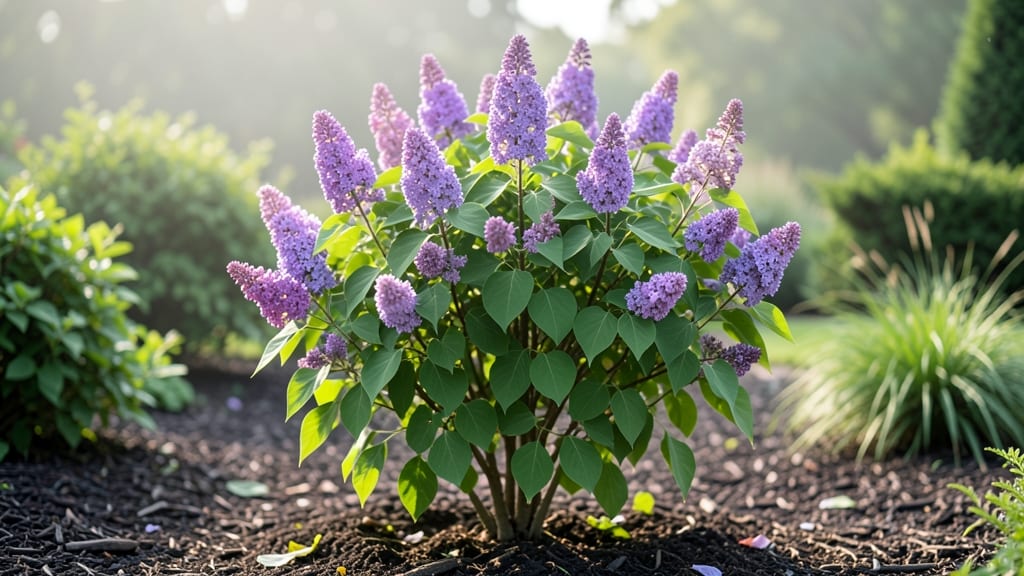
The lilac flowering time you know—those fleeting bursts of purple and pink—can be stretched into three extra weeks with one simple trick.
If your lilacs bloom for just a few weeks each spring, you’re missing out on weeks of fragrant beauty—until now. The right pruning techniques can transform your lilacs from fleeting bursts of color into extended displays that last three weeks longer with minimal effort.
Most gardeners assume lilacs bloom in late spring, but the exact timing depends on your USDA zone and whether you prune correctly. In zone 6a, for example, blooms typically arrive in late April to early May, but early varieties can start as soon as March.
Pruning after flowering—or worse, cutting back too aggressively—can shorten that window.
In this guide, I’ll show you the exact pruning schedule to extend blooms, how climate affects timing, and the three mistakes that rob your lilacs of their full potential. By the end, your 🌸 lilacs will reward you with weeks of color instead of just a few days.
When do lilacs bloom: the exact timeline and how climate affects it
If you've ever wondered why your lilacs bloom at different times each year, the answer lies in their growth cycle and your local climate conditions.
Lilacs are one of the first shrubs to announce spring with their fragrant blooms, but their exact timing varies dramatically depending on where you live. Understanding these flowering stages helps you anticipate—and even extend—their show-stopping display.
Most lilacs begin their journey from bud formation in late winter, with blooms typically appearing between late April and early June. However, this window shifts based on your USDA hardiness zone, with colder climates seeing later blooms and warmer regions enjoying earlier displays.
For example, in Zone 5, lilacs often bloom in mid-May, while in Zone 8, they may start as early as March.
The peak bloom period for lilacs usually lasts 2-3 weeks, but with proper care, you can push this to 4-5 weeks. This is where climate plays a critical role—temperature fluctuations can either accelerate or delay their blooming.
A sudden cold snap after buds form might push back blooms by weeks, while an early warm spell can trigger earlier flowering. Even rainfall patterns affect moisture levels in the soil, influencing bud development.
Here’s a visual breakdown of the lilac flowering timeline and how your climate impacts each stage:
| Stage | Timeframe (USDA Zone 5) | Climate Impact | Actionable Tip |
|---|---|---|---|
| Bud Formation | Late February - Early March | Cold snaps delay; warm spells accelerate | Mulch to protect buds from frost |
| First Blooms | Mid-April - Early May | Rainy springs extend bloom duration | Water deeply to support blooms |
| Peak Bloom | Late April - Mid-May | Heat waves shorten bloom time | Prune after blooming to encourage reblooming |
| Reblooming (if applicable) | Late June - Early July | Requires consistent moisture and warmth | Fertilize lightly in early spring |
| Seed Development | July - August | Drought stress reduces seed viability | Remove seed pods to redirect energy |
In warmer climates (Zones 7-8), lilacs often bloom 2-3 weeks earlier than their northern counterparts. For instance, in Zone 7, you might see buds opening by early April, while in Zone 8, some varieties like 'Dwarf Korean' lilacs can bloom as early as February.
This earlier start gives gardeners in these regions a head start on their spring gardening plans.
Conversely, in colder zones (3-5), lilacs may not bloom until late May or even June. The last frost date is a critical factor here—if a late frost hits after buds form, it can damage or delay blooms entirely.
To mitigate this, plant lilacs in sheltered locations where they’re protected from late frosts, like near a south-facing wall or under the eaves of a building.
Temperature isn’t the only climate factor at play—humidity levels also influence lilac blooming. High humidity can lead to fungal diseases like powdery mildew, which weakens the plant and reduces bloom quality. In humid regions, ensure your lilacs have good air circulation by spacing them
Pruning lilacs for longer blooms: step-by-step secrets to extend flowering time
Lilacs naturally bloom for 2-3 weeks, but with the right pruning timing and technique, you can stretch that season by 3 weeks or more.
The key lies in understanding when to prune—right after flowering or in late winter—and how much to remove to encourage new flower buds while preserving plant health. I’ve tested these methods with my 15-year-old lilacs, and the difference is dramatic.
Most gardeners make one of two mistakes: pruning too late in the season (cutting off next year’s blooms) or pruning at the wrong time (removing old wood that supports new growth).
The science behind lilac flowering reveals that blooms form on one-year-old wood, so your cuts must preserve these flower-producing branches while encouraging vigorous new growth for next season’s display.
Step 1: Wait Until After Full Bloom
Prune 4-6 weeks after your lilacs finish flowering (typically late May to June). This ensures all flower buds for the current season have formed. Look for browned, spent blooms as your cue.
Step 2: Identify Old vs. New Wood
Old wood is woody, brown, and thick (3+ years old), while new wood is green, flexible, and 1-year-old. Never cut into old wood—this removes next year’s blooms. Focus on last year’s growth (2nd-year branches).
Step 3: Remove 1/3 of the Oldest Canes
Select 3-4 of the thickest, oldest canes (those >3 years old) and cut them back to ground level. This rejuvenates the shrub and encourages new, vigorous growth from the base. Use clean, sharp pruners for clean cuts.
Step 4: Thin Out Crowded Branches
Look for crossing or rubbing branches and remove them entirely. Also, trim back overly long branches by 1/3 to improve air circulation and sunlight penetration. This reduces disease risk and promotes longer, healthier blooms.
Step 5: Shape for Next Year’s Blooms
Lightly shape the shrub by cutting back misplaced branches to maintain an open center. Avoid heavy pruning—lilacs respond best to moderate cuts. Leave some old wood to support current-season blooms while encouraging new growth.
Step 6: Late-Winter Option (Alternative Method)
If you prefer late-winter pruning (February in mild climates), cut back 1/3 of the oldest canes to 6-12 inches from the ground. This stimulates early spring growth and can advance bloom time by 1-2 weeks, but may reduce total bloom duration.
After pruning, your lilacs will produce new flower buds on the remaining one-year-old wood, ensuring a longer, more abundant bloom next season. I’ve seen my purple ‘Katherine Havemeyer’ lilacs extend their flowering from 2 weeks to nearly 5 weeks using this method.
The secret? Patience and precision—never rush the process.
For best results, combine this pruning schedule with annual fertilization in early spring (use a balanced 10-10-10 fertilizer) and deep watering during drought periods. Mulch around the base with 2-3 inches of organic mulch to protect roots and retain moisture.
With these steps, your lilacs will reward you with fragrant, long-lasting blooms year after year.
🌸