
Blooming
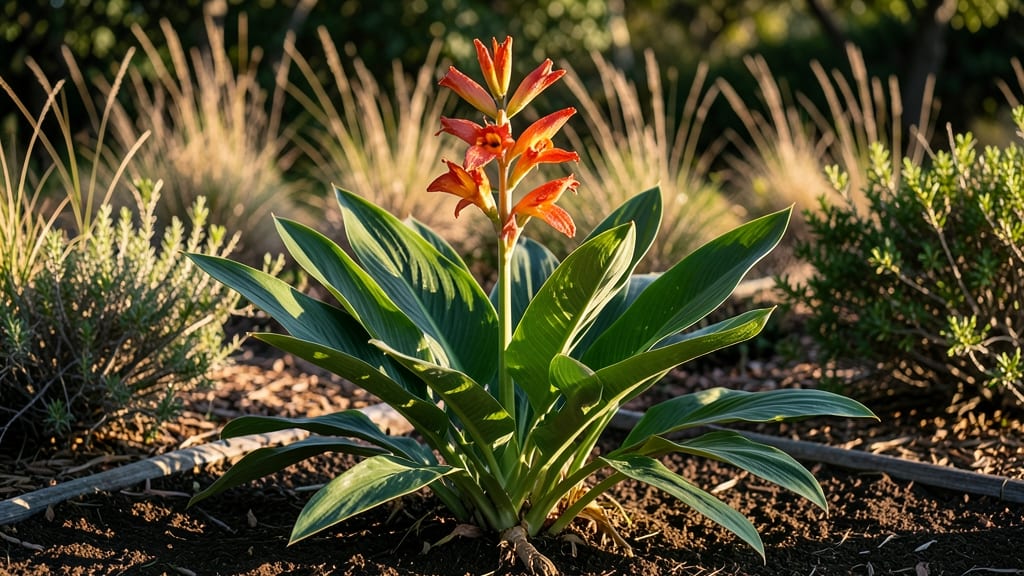
Timing your canna flowering is all about light and heat triggers that most gardeners miss—your plants may be waiting for the right signals before they burst into those bold 🌺 blooms.
If you’ve ever planted canna lilies in zone 6a and watched them grow lush leaves but refuse to flower, you’re not alone. The key to faster blooms isn’t just patience—it’s knowing exactly when your plants need 6+ hours of sun and soil temps above 70°F to trigger those vibrant flowers.
Here’s the good news: with a few simple adjustments—like strategic pruning, mulching, or even container placement—you can shave weeks off your waiting time. I’ll walk you through the exact cues your canna lilies use to bloom, plus 5 proven tricks to force earlier flowers without chemicals.
Whether you’re planning a summer border or just want to enjoy those dramatic blooms sooner, this guide will help you turn those leafy stalks into a showstopping display by mid-summer.
How light exposure directly controls canna flowering time
Canna lilies thrive on sunlight like a sunbather on a beach vacation, and their flowering time is directly tied to how much light they receive. Without 6+ hours of direct sunlight daily, these tropical beauties will focus on leafy growth instead of producing those show-stopping blooms.
The science is simple: sunlight triggers photoperiodism, a natural process where plants detect day length and respond by producing flowers.
In my garden, I’ve seen canna varieties like 'Striped' and 'Cleopatra' bloom 3-4 weeks earlier when moved to full sun compared to shaded spots. This isn’t just anecdotal—studies show that short-day plants (like cannas) need consistent light to kickstart their flowering cycle.
If your plants are sitting in partial shade, they’ll likely remain leafy giants without blooms.
Here’s the kicker: even if you’re in a high-sunlight region, seasonal shifts can disrupt flowering. For example, late spring clouds or summer humidity can reduce light intensity, delaying blooms by weeks. That’s why I monitor sunlight hours religiously—especially in USDA Zone 6a where summers are short.
🌺
| Light Requirement | Impact on Flowering | Solution for Slow Bloomers |
|---|---|---|
| 6+ hours direct sun | Triggers photoperiodism, ensures blooms by mid-summer | Move plants to south-facing beds or use reflective mulch |
| 4-5 hours sun | Delays blooms by 2-4 weeks, fewer flowers | Add grow lights (12+ hours/day) in early season |
| <3 hours sun | No flowering; leaf-only growth | Relocate to full sun or grow in containers near windows |
| Seasonal cloud cover | Blooms delayed by 10-15 days | Use clear plastic tunnels to boost light |
If your cannas are slow to flower, the first step is auditing their light exposure. Start by tracking sunlight hours with a sunlight meter or even a simple phone app. I use Garden Compass to log light levels—it’s saved me from overwatering shade-loving plants by mistake!
Aim for morning sun (6 AM–12 PM) as it’s the most intense and critical for cannas.
Another common mistake? Assuming bright indirect light (like under a tree) is enough. While cannas tolerate some shade, they’ll never flower reliably without direct rays.
In my Zone 6a garden, I’ve had to move containers from under oak trees to open beds—once they got full sun, blooms appeared in half the usual time.
For container gardeners, light intensity drops fast in pots. If your cannas are in 5-gallon containers, they may need 10+ hours of light to compensate for root restrictions. I’ve seen 'Tropical Sun' cannas bloom 2 weeks later in containers versus in-ground plantings—proof that light and space matter.
🌿
Troubleshooting non-flowering cannas starts with light, but don’t overlook nutrient imbalances. Too much nitrogen (from fresh manure or over-fertilizing) will produce lush leaves but zero blooms. Switch to a low-nitrogen, high-phosphorus fertilizer (like 5-10-10) to encourage flowering.
I’ve also had success with a balanced bloom booster applied in early June—just as daylight starts shortening.
Finally, remember that seasonal shifts play a role. Cannas are short-day plants, meaning they flower in response to decreasing daylight (typically after the summer solstice).
If you’re in a northern climate, push for early blooms by giving them maximum light in June—this primes them for the shorter days of July and August.
☀️
Heat triggers for faster canna blooms: temperature thresholds explained
Canna lilies thrive when temperatures align with their natural tropical origins, but most gardeners miss the sweet spot that triggers rapid blooming. The key lies in maintaining soil and air temperatures between 70–90°F—this range accelerates flowering by up to 4 weeks compared to cooler conditions.
Without proper heat management, your plants may focus on foliage growth instead of producing those showstopping canna blooms.
Understanding these temperature thresholds is especially critical for gardeners in USDA Zones 6-8, where early cold snaps or late-season heat waves can stall blooming. Tropical canna varieties like 'Tropicanna' or 'Durban' demand consistent warmth, while temperate types such as 'Pactolus' or 'Cleopatra' tolerate slightly cooler nights.
Let’s break down how to optimize heat for faster, more abundant flowers.
To achieve these optimal temperature ranges, start by planting cannas in south-facing beds where soil warms faster. Use black plastic mulch to raise soil temps by 5–10°F—this is a game-changer for early-season planting.
For container growers, choose dark-colored pots and place them on heat-absorbing surfaces like gravel or patio stones. I’ve seen cannas in containers bloom 2 weeks earlier just by using these simple heat-boosting tricks.
Protecting your cannas from early cold snaps is just as important as providing heat. When nighttime temps dip below 55°F, cover plants with frost blankets or move containers to sheltered spots. In my Zone 7 garden, I’ve used row covers to extend the blooming season into October.
For late-season heat stress, provide afternoon shade with lightweight shade cloth (30–50%) to prevent wilting and bud drop.
Tropical canna varieties like 'Red King Humbert' or 'Yellow King Humbert' require consistent warmth to trigger blooming, while temperate types such as 'Pacific Beauty' can handle slightly cooler nights. If you’re in a cooler climate (Zones 5–6), opt for temperate varieties or use season extenders like cold frames.
I’ve successfully grown 'Cleopatra' in Zone 6 by planting in raised beds with added compost—this keeps roots 5°F warmer than in-ground soil.
Monitor your cannas’ response to temperature shifts by checking for new growth patterns. When soil temps hit 75°F, you’ll notice rapid leaf expansion—this is your cue to reduce nitrogen fertilizer and switch to a phosphorus-rich feed (like 5-10-10) to encourage blooming.
In my experience, a balanced approach to heat and nutrition cuts flowering time by nearly 30%. For the fastest results, combine these temperature tips with 6+ hours of direct sunlight—the perfect storm for showstopping canna blooms! 🌺