
Propagation
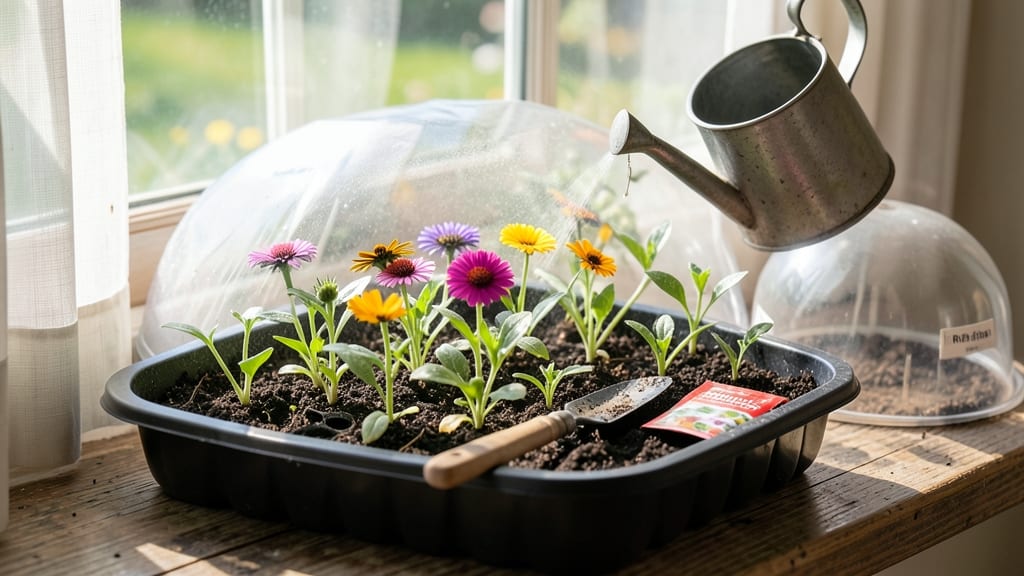
The wildflower germination time varies widely—seeds typically sprout in 5 to 30 days, but timing depends on species, soil conditions, and a little-known trick that could double your success.
Struggling to get your wildflower seeds to sprout? Many gardeners overlook the secret weapon—cold stratification—that can cut germination time in half while boosting success rates.
This process mimics winter’s natural chilling period, breaking seed dormancy so you see those first tiny 🌼 sprouts faster. Whether you’re planting in Zone 6 or experimenting with early spring sowing, understanding these rhythms is the key to a vibrant meadow.
Below, I’ll walk you through the exact steps to speed up germination, plus common mistakes that keep seeds stubbornly underground—and how to fix them.
How long wildflower seeds take to germinate (and why it varies)
Wildflower seeds are famous for their unpredictable germination timing, often leaving gardeners wondering why some sprout in 5 days while others take 30+ days. The truth? Germination windows depend on the seed type, environmental conditions, and even how old your seeds are.
For example, cosmos and zinnia often sprout in 7-14 days, while black-eyed Susans or coneflowers may need 2-3 weeks or longer. Understanding these differences helps you plan better and troubleshoot delays.
Most wildflower seeds require warm soil temperatures (around 60-75°F) to break dormancy, but some—like lupines or bluebonnets—need a cold period (a process called stratification) to germinate at all. Without this step, you might wait months for sprouts—or give up entirely.
Even after meeting ideal conditions, moisture consistency and seed viability play huge roles in speeding up or slowing down the process.
Here’s the key: Fastest germinators (like annual poppies) can sprout in 3-7 days under perfect conditions, while perennial wildflowers (such as goldenrod) might take 21-30 days or longer.
The variation isn’t just about the plant—it’s also about seed age, soil quality, and even light exposure during germination. Let’s break it down by type and factor so you can set realistic expectations for your meadow or garden plot.
| Wildflower Type | Typical Germination Time | Best Planting Time | Key Germination Tip |
|---|---|---|---|
| Annual Poppies (e.g., California Poppy) | 3-7 days | Spring or fall (avoid summer heat) | Scatter seeds on bare soil—no covering needed! |
| Cosmos & Zinnias | 7-14 days | After last frost (60°F+ soil) | Keep soil moist but not soggy during germination. |
| Black-Eyed Susans (Rudbeckia) | 14-21 days | Spring or early summer | Stratify seeds for 2 weeks in fridge to speed up sprouting. |
| Coneflowers (Echinacea) | 21-30 days | Fall (for spring bloom) or spring | Plant 1/4 inch deep—deeper planting delays germination. |
| Lupines & Bluebonnets | 14-45 days (often longer) | Fall (requires winter chill) | Stratification required—simulate winter with cold, moist conditions. |
| Goldenrod (Solidago) | 20-30+ days | Late summer or fall | Seeds need light to germinate—don’t bury deeply. |
If your wildflower seeds aren’t sprouting within the expected timeframe, don’t panic—seed age is often the culprit. Seeds older than 1-2 years may have reduced viability, leading to slower or uneven germination.
For example, a 2-year-old packet of wild bergamot seeds might take 30+ days to sprout, while fresh seeds from the same variety could appear in 14 days. Always check the packaging date and store seeds in a cool, dry place to maintain longevity.
Another critical factor is moisture consistency. Wildflower seeds need constant moisture to germinate, but too much water can suffocate them or cause rot. I’ve seen gardeners overwater their seed trays, thinking they’re helping, only to watch mold take over before any sprouts appear.
The fix? Use a spray bottle to keep soil damp (not wet) and cover trays with plastic wrap to retain humidity without drowning the seeds. Remove the plastic once sprouts emerge to prevent disease.
Temperature swings can also delay germination or kill seeds before they sprout. For instance, planting
Cold stratification tricks to speed up wildflower sprouting
Wildflower seeds often need a winter chill period to break dormancy, but many gardeners skip this critical step. Cold stratification mimics nature’s freeze-thaw cycle, tricking seeds into thinking spring has arrived. Without it, your seeds might sit dormant for months—or never sprout at all.
The good news? You don’t need a fancy setup. A simple refrigerator, damp paper towels, or even outdoor winter burial can work wonders.
Timing is everything with cold stratification. Most wildflower seeds require 4-12 weeks of cold exposure, depending on the species. For example, black-eyed Susans need 8-10 weeks, while cosmos thrive with just 4-6 weeks.
Get the timing wrong, and you’ll either delay germination or waste seeds. Below, I’ll walk you through three foolproof methods—plus a quick-reference chart—to ensure your wildflowers sprout faster and stronger.
Best for indoor growers | 4-12 weeks | Uses damp paper towels + sealed bag
Best for fall planting | 8-12 weeks | Bury seeds in moist soil before frost
Best for controlled timing | 6-10 weeks | Uses a insulated container + ice packs
Let’s start with the refrigerator method, the easiest way to stratify seeds indoors. Place your wildflower seeds in a damp paper towel, fold it into a loose packet, and seal it in a ziplock bag.
Add a few drops of water to maintain moisture, then store it in your fridge’s crispier drawer (the coldest spot). Check weekly to ensure the towel stays damp—not soggy. For most wildflowers, 6-8 weeks in the fridge will do the trick.
Once you see tiny roots or sprouts, it’s time to plant!
If you’re planting in fall, try the outdoor burial method for a hands-off approach. Scatter seeds in a shallow trench (1-2 inches deep) in a moist, well-draining spot, then cover lightly with soil. Mulch with straw or leaves to protect them from freezing.
Nature handles the cold stratification over winter, and by early spring, your seeds will be ready to sprout when temperatures rise. This method works best for hardy perennials like coneflowers or purple coneflower.
For gardeners who love precision, a DIY stratification box gives you full control. Use a Styrofoam cooler or insulated container, line it with a damp growing mat, and place your seeds in a seed tray on top. Add ice packs around the sides to maintain 32-40°F temperatures.
Monitor moisture levels—too dry, and seeds won’t break dormancy; too wet, and they’ll rot. Most wildflowers will be ready to plant after 6-10 weeks, just as spring planting season begins.
Remember, not all wildflowers need stratification—annuals like zinnia or sunflower often germinate quickly without it. But for perennials and many native wildflowers, this step is non-negotiable. Once you master cold stratification, you’ll see faster, more reliable germination and a healthier, hardier wildflower meadow. Happy planting!