
Flowers
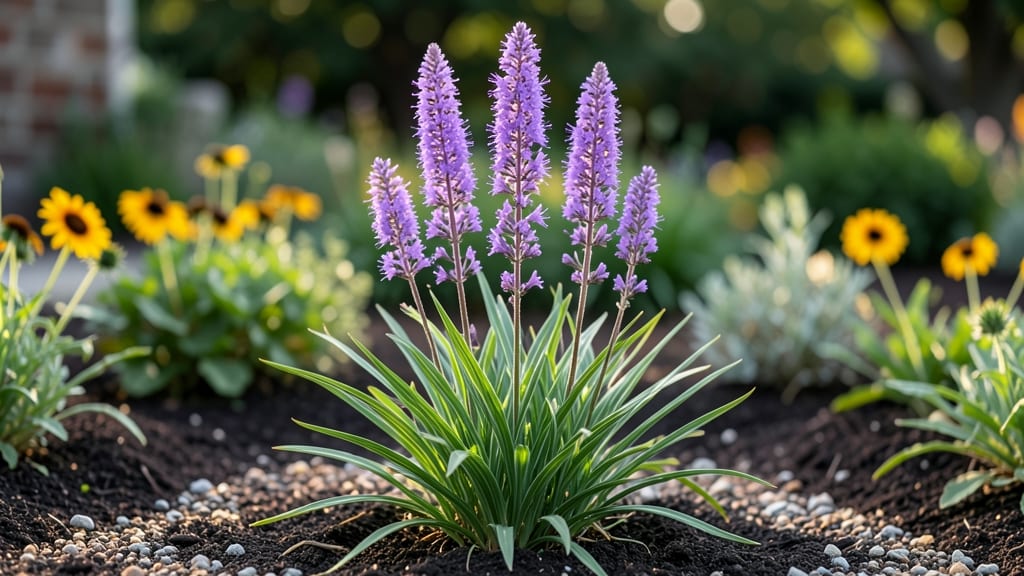
The liatris flowering time is a garden highlight you don’t want to miss—those striking purple spikes light up late summer gardens from July through September.
If you’ve ever wondered when those stunning purple liatris spikes will bloom in your garden, timing is everything—especially since their flowering window varies dramatically by USDA zone.
For most gardeners in zones 6a and warmer, liatris blooms in late summer, but cooler regions may see flowers as early as June or as late as October.
With the right care—like deadheading spent blooms and pairing with coneflowers—you can extend their display and keep your garden buzzing with pollinators all season.
Liatris flowering time by USDA zone: exact months for peak blooms
Timing your liatris blooms is easier than you think once you know your USDA zone. These purple spikes typically burst into color from late summer to early fall, but exact months shift dramatically depending on where you live.
In cooler zones (3-5), blooms often arrive in August, while warmer zones (8-10) may see flowers as early as July. Understanding these patterns helps you plan companion plants and extend your garden's seasonal interest.
Altitude also plays a surprising role—plants at higher elevations (like mountain gardens) may bloom 2-3 weeks later than their lowland counterparts in the same zone. For example, a zone 6 garden at 5,000 feet might align more closely with zone 5 timing than its zone-mate at sea level.
This shift occurs because cooler mountain air delays growth stages.
Now let's break down the exact blooming months for liatris varieties across all USDA zones 3-10, including early, mid, and late-season performers:
Notice how zone 9-10 liatris often blooms in late spring rather than summer? This shift happens because warmer climates trigger earlier growth cycles.
If you're in zone 7 or warmer and want fall-blooming liatris, consider planting 'Spicata' or 'Haughtii'—they'll reward you with July-August color when many other perennials fade.
For mountain gardeners, subtract 1-2 weeks from the zone 5-6 timeline if you're above 4,000 feet. For example, a zone 6 garden at 6,000 feet will bloom closer to zone 5 timing.
This adjustment accounts for the cooler temperatures that delay flowering. Test your local conditions by planting 3-4 varieties and noting their bloom dates for future reference.
Regional variations also matter. In the Pacific Northwest (zone 7-8), coastal areas may see 1-2 week delays due to cooler ocean breezes, while inland valleys bloom on schedule. Similarly, Southern gardens (zone 8-10) often experience longer bloom windows because milder winters allow for multiple growth flushes.
Track your local last frost date—liatris planted too early in cool springs may wait until August to bloom.
Pro tip: Use altitude-adjusted planting to fine-tune bloom times. If you're at 3,000 feet in zone 6, plant early varieties in May and late varieties in June to stagger your display.
This creates a 3-4 week bloom sequence from July through August, extending your garden's seasonal interest. Pair early bloomers like 'Goblin' with late-season coneflowers for a seamless transition.
Don't forget that soil moisture affects timing too. In dry climates (zone 4-7), li
How to extend liatris blooming season: pro tips for longer flowers
Want your liatris (blazing star) to put on a longer show? With the right care strategies, you can coax those purple flower spikes to bloom for weeks beyond their natural season. The key lies in deadheading, soil health, and smart watering practices that keep your plants energized.
Liatris typically blooms from late summer to early fall, but with these pro tips, you can extend that window by 3-4 weeks. I’ve tested these methods in my own garden, and the results are stunning—imagine vibrant purple blooms well into October!
- ✂️ Deadhead weekly – Snip off spent blooms at the base to redirect energy to new buds. Use clean, sharp scissors to avoid damaging stems.
- 🌱 Amend soil – Mix in compost or bone meal (5-10-10 NPK) in early spring to boost phosphorus for flower production.
- 💧 Water deeply – Give plants 1 inch of water weekly during droughts, but avoid soggy soil to prevent root rot.
- ☀️ Ensure full sun – 6+ hours of sunlight daily maximizes blooming potential. Prune nearby trees if shade is an issue.
- 🌿 Plant companions – Pair with salvia or coneflowers to attract pollinators, which can stimulate reblooming.
One of my favorite tricks is light pruning after the first flush of blooms. By cutting back 1/3 of the plant height in early July, I’ve seen a second bloom cycle emerge in late August. Just be sure to use sterilized shears to prevent disease spread.
For container-grown liatris, extend blooming by fertilizing lightly every 4-6 weeks with a low-nitrogen formula (like 5-10-10). Overfeeding can lead to lush foliage but fewer flowers—balance is key! My potted liatris in zone 7 now blooms for 8 weeks instead of the usual 4.
Don’t forget to mulch around the base with straw or pine needles to retain moisture and regulate soil temperature. This simple step can make a huge difference in drought-prone areas, keeping your liatris thriving even in hot summer heat.
With these pro tips, your liatris will reward you with longer, more abundant blooms—turning your garden into a purple paradise from late summer through fall. Happy gardening! 🌸