
Blooming
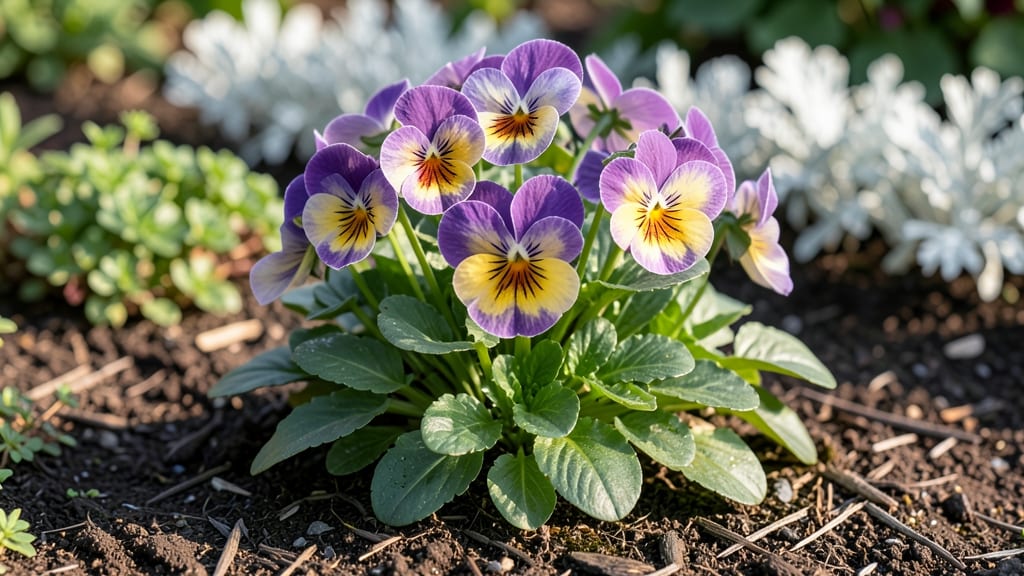
Pansy flowering seasons bring vibrant color to gardens in early spring and fall, but timing depends on your USDA zone and variety.
If you’ve ever planted pansies only to watch them fade by summer, you’re not alone. These cold-hardy blooms thrive in cooler months, but heat and long daylight hours can turn their show into a short-lived spectacle. The key to year-round pansies lies in understanding your zone and planting strategies.
In USDA Zone 6a, like many gardeners, pansies typically bloom from April through May in spring and again from September to October in fall. But with the right varieties and care, you can stretch their season even further—whether you’re in a warmer southern zone or a chilly northern climate.
Below, I’ll break down how to align your planting schedule with pansy blooming cycles, extend their flowering period, and choose the best varieties for continuous color in your garden.
When do pansies bloom: month-by-month flowering calendar by USDA Zone
Pansies are nature's seasonal chameleons, adapting their blooming windows to your local climate. Whether you're in frigid Zone 3 or mild Zone 10, understanding these patterns lets you create nonstop color with strategic plantings. The key? Timing your fall and spring plantings to match your zone's frost dates.
Most gardeners focus on spring blooms, but pansies also shine in fall and even winter in warmer zones. For example, Zone 7 gardeners can enjoy three blooming seasons—spring, fall, and sometimes winter—while Zone 4 gardeners get two distinct seasons.
Let's break down exactly when to expect those vibrant faces in your garden.
🌱
| USDA Zone | Spring Blooms | Fall Blooms | Winter Blooms | Planting Window |
|---|---|---|---|---|
| 3-4 | May-June | September-October | None | April & August |
| 5-6 | April-May | September-November | None | March & August |
| 7-8 | March-April | September-December | January-February (mild) | February & August |
| 9-10 | February-March | August-January | Year-round | Year-round succession |
In Zones 3-4, pansies wait until May-June for spring blooms because early frosts delay planting. The fall window is your best bet for color, with blooms lasting until October.
For Zones 5-6, you get an earlier start in April, and fall blooms extend into November—perfect for late-season color.
Gardeners in Zones 7-8 enjoy the longest blooming windows, with spring flowers appearing as early as March and fall blooms lasting until December. The real magic happens in mild winters, where you might catch January-February blooms if you plant heat-tolerant varieties like 'Majesty' series.
If you live in Zones 9-10, consider pansies your year-round workhorses. With February-March spring blooms and August-January fall/winter displays, you can create continuous color by planting new batches every 6-8 weeks. This is also where succession planting becomes your best friend.
To extend your pansy season, plant fall pansies 8-10 weeks before your first frost—this ensures they establish roots before winter. For spring blooms, wait until 4-6 weeks after your last frost to avoid heat stress that causes bolting.
In warmer zones, you can even plant winter pansies in December for early spring color.
Pro tip: Use shade cloth in summer to protect pansies from heat stress, which causes them to bolt prematurely. In hotter zones, choose heat-tolerant varieties like 'Ice King' or 'Matrix' to keep blooms coming. With these timing tricks, you'll have pansies blooming almost year-round in your garden.
🌷
How to extend pansy blooms: season-long care tips for longer flowering
Pansies are famous for their cheerful faces, but their blooming season can feel short-lived if you don’t give them the right care. The key to extended pansy blooms lies in a few simple but powerful strategies—like deadheading, soil enrichment, and smart watering habits.
With these techniques, you can turn a few weeks of color into months of vibrant flowers, even in challenging climates.
One of the biggest mistakes gardeners make is assuming pansies are low-maintenance. In reality, they thrive with consistent attention. Whether you’re dealing with heat stress in summer or disease pressure in damp springs, proactive care keeps your pansies looking their best.
Let’s dive into the proven methods that will make your pansies the star of your garden all season long.
- 1 Deadhead regularly – Snip spent blooms every 3-5 days to prevent seed production and redirect energy to new flowers. Use clean bypass pruners for precision.
- 2 Fertilize lightly – Use a balanced 5-10-10 fertilizer every 4-6 weeks during active growth. Avoid over-fertilizing, which can lead to leafy growth at the expense of blooms.
- 3 Water at the base – Keep soil consistently moist but avoid waterlogged roots. Water in the early morning to reduce fungal risks like powdery mildew.
- 4 Mulch to protect roots – Apply 2-3 inches of mulch (like straw or shredded leaves) to insulate roots from temperature swings and retain moisture. Replenish as it breaks down.
- 5 Choose shade in summer – If temps rise above 85°F, move pansies to partial shade (4-6 hours of sun) to prevent heat stress and bolting. A lightweight shade cloth works well.
Don’t overlook the power of companion planting—pairing pansies with the right neighbors can boost their health and flowering time. For example, planting them near basil or marigolds deters pests like aphids, while calendula improves soil health and repels fungal diseases.
These partnerships create a self-sustaining ecosystem that keeps your pansies thriving.
If your pansies start looking leggy or sparse, it’s often a sign of nutrient deficiency or overcrowding. Thin out plants to 6-8 inches apart and amend the soil with compost or aged manure to replenish nutrients.
A quick soil test can reveal if your pansies need more phosphorus for blooms or potassium for disease resistance.
With these season-long care tips, your pansies will reward you with continuous blooms from early spring through fall—and maybe even winter in mild climates. The secret? Staying proactive and adapting your care to the changing seasons. Happy gardening! 🌸