
Flowers
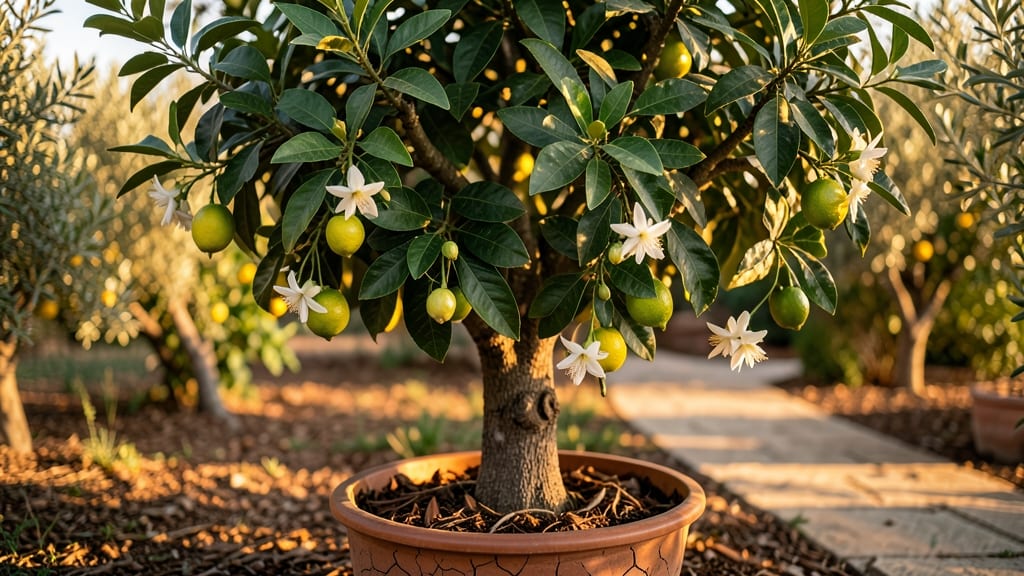
Turning your lemon tree’s flowers 🍋 into fruit requires more than just sunshine—it’s all about the pollination process that many gardeners overlook.
Watch your lemon tree bloom but struggle to produce fruit? The key to transforming those fragrant white flowers into juicy lemons lies in understanding—and optimizing—the pollination process. With the right techniques, you can turn a sparse harvest into a bountiful citrus treasure.
Here’s the science behind it: lemon trees rely on pollinators like bees or even gentle breezes to transfer pollen, but sometimes Mother Nature needs a little help. Whether you’re dealing with a lack of local bees or a windless day, there are simple steps to boost fruit set naturally.
From hand-pollination tricks to creating the ideal environment, I’ll walk you through proven methods to maximize your harvest—so you can enjoy homegrown lemons year-round, not just in peak seasons.
How lemon tree flowers turn into fruit: the science of pollination
When your lemon tree bursts into bloom with its fragrant white flowers, it’s nature’s way of signaling a potential harvest. But not every flower will turn into fruit—understanding the pollination process is key to unlocking that citrus bounty.
The journey from flower to fruit involves precise biological steps, environmental factors, and sometimes a little human help. Let’s break down how it works and what you can do to maximize your tree’s fruiting success.
The transformation begins when a lemon tree’s perfect flowers (those with both male and female parts) open fully. These flowers release pollen from their stamens, which must reach the stigma (the female part) for fertilization to occur.
Without this step, the flower will drop without producing fruit. This process is where bees, wind, and even gardeners play critical roles in turning blooms into lemons.
📋 Summary of the Lemon Tree’s Flower-to-Fruit Journey
| Stage | Key Process | Timeframe | What to Watch For |
|---|---|---|---|
| Flower Opening | Petals unfurl; stamens release pollen. | Morning hours | Fragrant scent, white petals fully open. |
| Pollination | Pollen transfers to stigma via bees/wind. | Day 1-2 after opening | Bees visible; stigma turns slightly sticky. |
| Fertilization | Pollen tube grows; ovules develop. | Day 3-5 | Flower wilts but small fruit bump forms. |
| Fruit Set | Ovary swells into a lemon. | 2-4 weeks | Green fruitlets appear; some may drop. |
| Development | Fruit grows, seeds form. | 6-12 months | Color shifts from green to yellow. |
| Harvest | Fruit reaches maturity. | Year-round (peak spring-fall) | Skin yields slightly; seeds visible. |
Bees are the primary pollinators for lemon trees, but wind can also carry pollen in their absence. Each flower has a lifespan of just 24-48 hours, so timing is everything. If pollination doesn’t occur within this window, the flower will drop without setting fruit.
This is why you might see abundant blooms but few lemons—the tree’s flowers aren’t being pollinated efficiently.
Lemon trees are self-pollinating, meaning a single tree can produce fruit without cross-pollination. However, their flowers are not perfectly self-fertile, so external factors like bee activity, wind, or manual intervention significantly boost fruit set.
In areas with low pollinator activity, like urban gardens or greenhouses, you may need to step in with hand-pollination techniques.
Identifying successful pollination is easier than you think. After a flower wilts, look for a small green bump where the fruit will form. Over the next few weeks, this bump will grow into a lemon-sized fruitlet.
If you notice many flowers dropping without these bumps, your tree may need help with pollination. Healthy fruit set typically results in 30-50% of flowers developing into fruit, though this varies by tree age and care.
Environmental conditions also play a crucial role. Lemon trees thrive in warm, sunny climates with moderate humidity. Extreme heat or cold can stress the tree, reducing its ability to support fruit development.
Additionally, over-fertilizing with nitrogen encourages leafy growth at the expense of flowers and fruit. A balanced citrus fertilizer (6-6-6 NPK) applied in early spring supports both blooming and fruiting.
Even with ideal conditions, some flowers will fail to produce fruit due to natural drop. This is normal—lemon trees often abscise (drop) excess flowers and fruitlets to focus resources on the strongest remaining ones.
If you see massive flower drop (more than 70% of blooms), it could signal pollination failure, nutrient deficiency, or environmental stress. In this case, reassess your tree’s care routine and consider hand-pollination.
One common misconception is that more flowers always mean more fruit. While abundant blooms are encouraging, lemon trees often prioritize fruit quality over quantity. A tree with fewer but well-pollinated flowers may yield larger, healthier lemons than one with hundreds of unpollinated blooms.
This is why focusing on pollination efficiency is more important than sheer flower count.
To encourage healthy pollination, create a bee-friendly environment around your lemon tree. Plant native pollinator-friendly flowers like lavender, marigolds, or citrus blossoms nearby to attract bees. Avoid pesticides or herbicides during the flowering season, as these can harm pollinators.
If your tree is indoors or in a bee-sparse area, learn how to hand-pollinate lemon trees using a soft brush or cotton swab to transfer pollen between flowers.
Understanding the science behind your lemon tree’s reproductive cycle empowers you to troubleshoot issues and optimize fruit production. Whether you’re relying on bees, wind, or your own hands, the
5 Proven ways to boost lemon tree fruit set naturally
Your lemon tree may be covered in beautiful white blossoms, but if those flowers aren't turning into fruit, you're missing a critical step: pollination. Many gardeners assume bees will handle it, but citrus trees often need a little extra help to maximize fruit set.
The good news? With these 5 natural methods, you can dramatically increase your harvest without chemicals or complicated techniques.
First, let's address the most common reason for poor fruit set: inadequate pollination. Lemon trees rely on both wind and pollinators like bees, but urban environments or indoor growing spaces often lack these natural helpers.
The solutions below focus on mimicking nature's pollination process while creating ideal conditions for fruit development.
Use a soft paintbrush to transfer pollen between flowers morning and evening during peak bloom. Focus on 50 flowers per tree for best results.
Plant basil or marigolds nearby to attract pollinating bees. Avoid strong herbs like mint that repel beneficial insects.
Ensure 65-85°F temperatures and 50-70% humidity. Use a fine mist spray on hot days to maintain moisture.
Mix 1 tsp sugar + 1 cup water and spray on flowers to attract bees. Add a drop of apple cider vinegar for extra appeal.
Remove 50% of developing fruit when they're golf-ball sized to allow remaining fruit to grow larger and sweeter.
Let's start with the simplest method: hand-pollination. This mimics what bees do naturally but gives you control, especially if you're growing indoors or in areas with few pollinators.
Grab a soft-bristle paintbrush (like one used for watercolors) and gently brush the stamens of one flower onto the pistil of another. Do this twice daily during the flowering season, which typically lasts 2-3 weeks for lemon trees.
For outdoor trees, companion planting is a game-changer. Place bee-friendly plants like basil, marigolds, or lavender within 10 feet of your lemon tree. These plants produce nectar-rich flowers that attract pollinators while providing shade for your citrus tree.
Avoid planting strongly scented herbs like mint or rosemary, as their fragrance can repel bees.
Creating the right environment is equally important. Lemon trees thrive in warm, humid conditions during flowering. If your area gets dry, use a fine mist spray on the tree in the early morning to maintain 50-70% humidity.
Avoid wetting the flowers directly, as this can lead to fungal issues. Also, ensure your tree receives 6+ hours of sunlight daily—this energy is crucial for both flowering and fruit development.
For an extra boost, try a simple organic pollinator spray. Mix 1 teaspoon of sugar with 1 cup of water and lightly spray the flowers in the morning. The sugar attracts bees, while the water provides hydration.
Add a drop of apple cider vinegar for its natural scent that pollinators love. Reapply every 2-3 days during the flowering season.
Finally, don't forget about fruit thinning. Once your flowers have set fruit, wait until they're about the size of a golf ball, then remove 50% of them. This might seem counterintuitive, but it allows the remaining fruit to grow larger, sweeter, and with thicker skins.
Use sterilized pruning shears and make clean cuts to avoid damaging the tree.