
Flowers
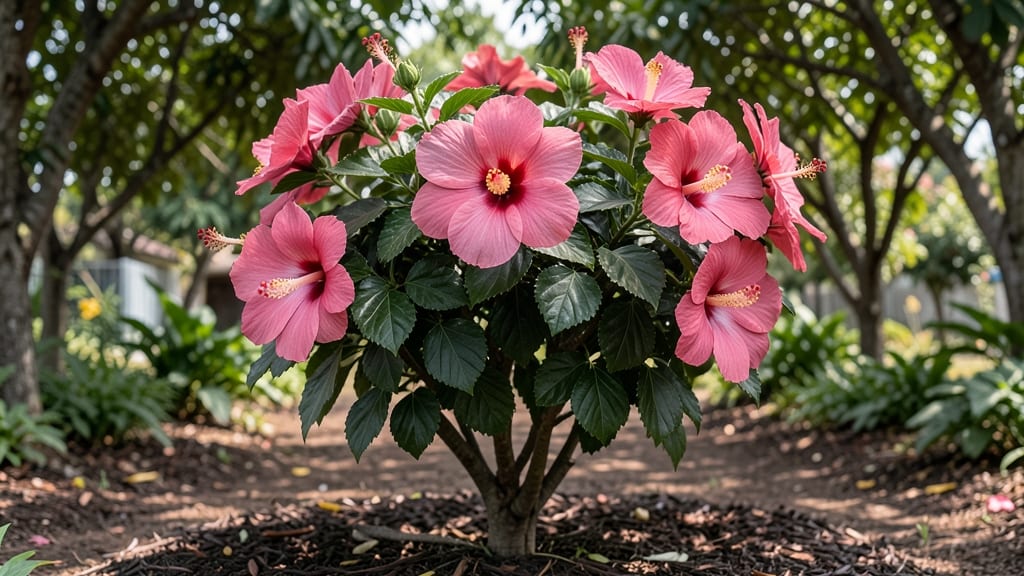
Growing the largest hibiscus flower—with blooms up to 12 inches wide—turns your garden into a showstopper 🌸 — and it’s easier than you think.
Picture this: dinner plates of petals swaying in the breeze, each bloom big enough to cast a shadow. These aren’t just pretty faces; they’re the centerpiece of any landscape, demanding attention without shouting. The secret? It’s not just the variety—it’s the care that unlocks their full potential.
Most gardeners assume bigger blooms mean more water, but the real game-changers are sunlight, soil, and pruning. In this guide, I’ll walk you through the top 5 giant hibiscus varieties—from 'Giant of Java' to 'Southern Belle'—and the exact techniques to coax those monster flowers.
Whether you’re in USDA Zone 6a or a warmer climate, you’ll learn how to give your hibiscus the perfect conditions to thrive.
Ready to transform your garden? By the end, you’ll know how to feed, prune, and protect your hibiscus so it blooms bigger than ever—no guesswork, just results.
Top 5 giant hibiscus varieties with flowers over 8 inches
If you dream of hibiscus blooms that make a bold statement in your garden, you’re in the right place. Some varieties produce flowers so large they can reach 12 inches wide—think dinner plates of petals in vibrant colors.
These giants aren’t just eye-catching; they thrive with the right care and climate. Whether you’re in a tropical zone or a temperate region, there’s a giant hibiscus perfect for your space.
Giant hibiscus varieties typically fall into two categories: tropical hibiscus (Hibiscus rosa-sinensis) and hardy hibiscus (Hibiscus moscheutos). The tropical types, like 'Giant of Java,' are prized for their velvety petals and bold colors, while hardy varieties like 'Southern Belle' can withstand cooler climates.
Both types demand full sun, rich soil, and consistent moisture to reach their full potential.
Below, I’ve curated the top 5 giant hibiscus varieties known for their massive blooms, along with their care requirements to help you grow them successfully. Whether you’re a seasoned gardener or a beginner, these varieties will transform your garden into a tropical oasis.
🌸
Now that you’ve seen the giants, let’s dive deeper into their care requirements. The 'Giant of Java' is a tropical stunner with blooms that can reach 12 inches, but it demands a warm climate (USDA zones 9–11) and well-draining soil.
If you’re in a cooler zone, consider the 'Southern Belle', a hardy variety that thrives in zones 5–9 and produces 8–10-inch blooms in soft pink.
For something truly unique, the 'Dwarf Blue' hibiscus offers blue-purple blooms that are rare in the hibiscus world. However, it’s a tropical plant, so it’s best suited for zones 10–11 or grown as an annual in cooler climates.
If you’re looking for a fragrant option, the 'Lord Baltimore' delivers white blooms with red centers and a sweet scent, making it perfect for garden borders.
If you want a bold splash of color, the 'Hawaiian Sunrise' hibiscus is a showstopper with yellow-orange blooms that can reach 12 inches. This variety grows tall (8–12 feet), so it’s ideal for background planting in tropical gardens.
For smaller spaces, consider 'Dwarf Blue' or 'Southern Belle', both of which work well in containers or as bushy garden plants.
To maximize bloom size, focus on three key factors: sunlight, soil, and pruning. Giant hibiscus varieties need at least 6–8 hours of direct sunlight daily.
If your garden doesn’t get full sun, consider growing them in containers where you can move them to sunnier spots. Well-draining, slightly acidic soil (pH 6.0–7.0) is essential, as soggy roots can stunt growth and reduce bloom size.
Pruning is another critical step. In early spring, trim back dead or weak branches to encourage new growth. For tropical varieties, you may also need to prune lightly after flowering to maintain shape.
Hardy varieties like 'Southern Belle' benefit from light pruning in late winter to promote bushier growth and larger blooms.
🪴
Finally, don’t forget to fertilize regularly during the growing season. Use a balanced fertilizer (10-10-10) every 4–6 weeks to encourage strong root and shoot growth. For tropical varieties, you can also add a light dose of phosphorus in early spring to boost flowering.
With the right care, your giant hibiscus will reward you with monster blooms that turn heads all season long.
How to grow monster hibiscus blooms: soil, sun, and pruning secrets
Unlocking gigantic hibiscus blooms starts with understanding their basic needs. While some varieties naturally produce 10-12 inch flowers, others need the right conditions to reach their full potential.
The key trio—soil quality, sunlight exposure, and pruning techniques—can transform your average hibiscus into a flowering powerhouse. Let's dive into the science behind these tropical giants.
First, soil pH plays a crucial role. Hibiscus thrive in slightly acidic to neutral soil with a pH between 6.0 and 7.0. Testing your soil is the first step—most garden centers sell affordable pH test kits.
If your soil is too alkaline, amend it with sulfur or peat moss to lower the pH. Remember, well-draining soil is equally important to prevent root rot, which can stunt flower growth.
⚠️ WARNING: Common Mistake Alert! Many gardeners assume more water = bigger blooms, but overwatering actually causes smaller, weaker flowers. Hibiscus need consistent moisture but hate soggy roots. Aim for 1-2 inches of water per week, adjusting for rainfall.
During peak bloom season (summer), water deeply in the morning to reduce evaporation and fungal risks. Yellowing leaves often signal overwatering, while crispy edges mean underwatering—both will shrink your blooms!
Next, let's talk sunlight. Hibiscus are sun-worshippers, needing at least 6-8 hours of direct sunlight daily for maximum bloom size. If your plants are in partial shade, you'll likely see smaller, paler flowers.
For container-grown hibiscus, place pots in the sunniest spot and rotate them weekly for even growth. In hot climates, provide afternoon shade to prevent leaf scorch, but never reduce morning sun.
Strategic pruning is another secret weapon. Prune in late winter or early spring to shape your plant and encourage larger blooms. Cut back dead or weak stems to 1/3 of their height, and remove any crossing branches that block sunlight.
For tropical hibiscus, a light pruning after each flowering cycle keeps the plant compact and bushy, leading to bigger, more vibrant blooms.
Fertilization also makes a huge difference. Use a balanced fertilizer (10-10-10) during the growing season, applying it every 4-6 weeks. For organic options, try compost tea or fish emulsion. Avoid high-nitrogen fertilizers, as they promote leafy growth at the expense of flowers.
In fall and winter, reduce feeding to let the plant rest—this prepares it for next season's monster blooms.
Finally, companion planting can boost your hibiscus's performance. Pair them with low-growing plants like coleus or impatiens to protect roots from overheating. Avoid planting near competing plants that steal nutrients.
With these soil, sun, and pruning secrets, your hibiscus will reward you with showstopping blooms that turn heads all season! 🌸