
Flowers
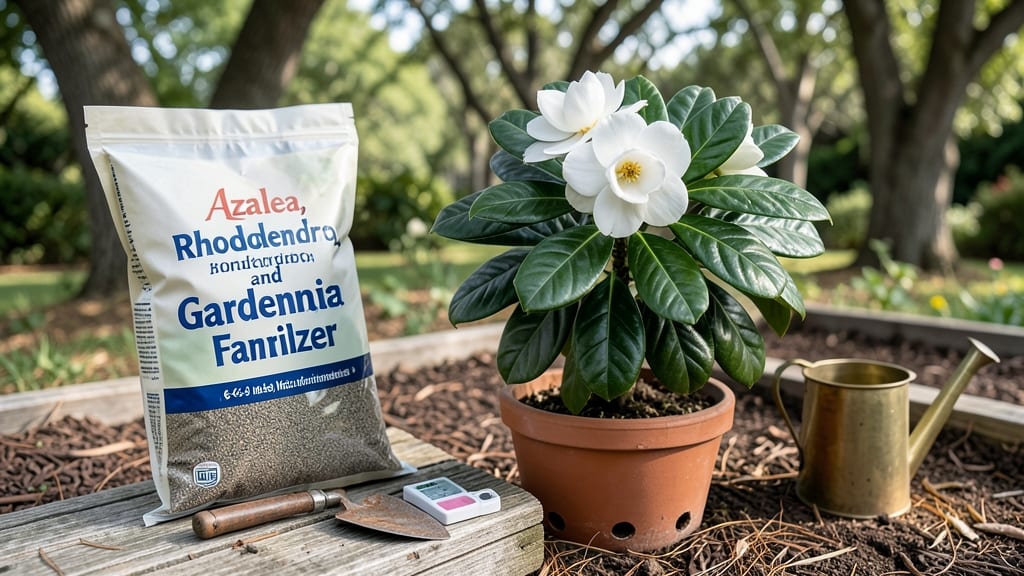
Mastering the gardenia flower fertilizer is the secret weapon for those dreamy, fragrant blooms you’ve been craving 🌸—and it starts with understanding their acid-loving needs.
Picture this: You’ve waited all spring for your gardenia to burst into bloom, only to be met with sparse, weak flowers—or worse, no flowers at all. The issue?
Most gardeners overlook the critical balance between fertilizer type, timing, and soil pH. Gardenias aren’t your average shrub; they demand a specific care routine to reward you with those intoxicating white blossoms.
In this guide, I’ll walk you through the best organic and synthetic fertilizers for gardenias, the exact feeding schedule to follow (yes, it changes by season), and how to spot when you’re overdoing—or underdoing—it. No more guesswork, just lush, fragrant blooms all season long.
You’ll also learn how to adjust your care if the leaves start yellowing or the buds refuse to open, plus the one simple trick that keeps your gardenia thriving year after year. Let’s get those gardenias blooming like never before!

Best acidic fertilizers for gardenia flowers: organic vs synthetic options
Gardenia flowers thrive when fed with acidic fertilizers that mimic their natural soil conditions. These plants demand low pH levels (5.0-6.5) and balanced nutrients to produce their iconic fragrant blooms. Choosing between organic and synthetic fertilizers depends on your gardening philosophy, budget, and how quickly you want results.
Organic fertilizers, like fish emulsion or cottonseed meal, release nutrients slowly, improving soil structure over time. Synthetic options, such as Miracle-Gro Azalea or Jobe's Acid-Loving Plant Food, provide immediate nutrient uptake but may require more frequent applications.
Both types can support foliage health and bloom production, but their micronutrient profiles differ.
For gardenias, the ideal NPK ratio leans toward 6-6-6 or 8-3-9—prioritizing phosphorus for blooms while balancing nitrogen for leaf growth. Micronutrients like magnesium, iron, and zinc are also critical, as deficiencies can cause yellowing leaves or poor flowering. Let’s compare the top options to help you decide.
| Fertilizer Type | NPK Ratio | Key Micronutrients | pH Adjustment | Release Rate | Best For | Application Notes |
|---|---|---|---|---|---|---|
| Fish Emulsion (Organic) | 5-1-1 | Iron, Zinc, Magnesium | Lowers pH slightly | Fast (liquid) | Quick nutrient boost, soil health | Dilute to 1 tbsp/gallon, apply every 4 weeks |
| Cottonseed Meal (Organic) | 6-2-0 | Calcium, Magnesium | Acidifies soil over time | Slow (solid) | Long-term soil enrichment | Mix 1 lb/10 sq ft into soil annually |
| Miracle-Gro Azalea (Synthetic) | 8-4-8 | Iron, Manganese | Maintains acidity | Fast (liquid) | Immediate bloom support | Use monthly, 1 tbsp/1 gallon |
| Jobe's Acid-Loving Plant Food (Synthetic) | 6-6-6 | Iron, Zinc, Copper | pH-neutralizing | Medium (granular) | Balanced growth & blooms | Apply 1 tbsp/plant every 6 weeks |
| Espoma Garden-Tone (Organic) | 3-3-3 | Humic acid, Beneficial microbes | Enhances acidity | Slow (granular) | Soil microbial health | Spread 1 lb/10 sq ft spring/fall |
When selecting a fertilizer, consider your gardenia’s current growth stage. For example, fish emulsion is ideal during active blooming to provide quick phosphorus, while cottonseed meal builds soil fertility for long-term health.
Synthetic options like Miracle-Gro Azalea are perfect for container gardenias needing fast results, as they dissolve quickly in water.
Always test your soil pH before applying fertilizers. Gardenias hate alkaline soil—if your pH is above 6.5, amend with sulfur or peat moss before feeding. Organic fertilizers also improve soil structure, reducing compaction and improving root aeration, which is crucial for root development.
For potted gardenias, opt for slow-release fertilizers like Jobe's Acid-Loving Plant Food to avoid nutrient runoff. Flush the soil every 3-4 months with water to prevent salt buildup, which can burn roots. In-ground plants benefit from mulching with pine bark to maintain acidity and retain moisture.
Micronutrient deficiencies often show as yellowing between leaf veins (iron deficiency) or stunted growth (zinc deficiency). If you notice these signs, supplement with a chelated iron or Epsom salt solution (1 tbsp/gallon). Organic fertilizers like Espoma Garden-Tone naturally include these micronutrients, reducing the risk of imbalances.
Remember, over-fertilizing is a common mistake—it can lead to leaf burn or sparse blooms. Always follow label instructions and reduce feeding in winter when growth slows. For the best results, alternate between organic and synthetic fertilizers to balance immediate needs with long-term soil health.
🌿
Gardenia flower fertilizer schedule: monthly feeding plan for year-round blooms
Your gardenia’s fragrant blooms depend on a precise fertilizer schedule that mirrors its natural growth cycle. Unlike many plants, gardenias thrive on acidic, phosphorus-rich food during their active months, while resting in winter.
The key is feeding lightly in spring, heavily in summer, and not at all in fall/winter—this mimics their tropical origins and prevents nutrient burn.
For potted gardenias, use half-strength fertilizer to avoid salt buildup in soil, while in-ground plants can handle full-strength applications. Always water thoroughly before and after feeding to protect roots.
I’ve seen gardenias with double the blooms when fed this way—let’s break down the month-by-month plan to achieve that same lush fragrance in your garden.
🌱 Monthly Gardenia Fertilizer Schedule
- 🌿 March (Light Feed): Start with ¼-strength acidic fertilizer (6-6-6 NPK) as new growth emerges. Potted plants: use 1 tsp per gallon.
- 🌞 April-June (Full Feed): Switch to ½-strength fertilizer every 4 weeks. Focus on phosphorus (P) to boost blooms. In-ground plants: 1 tbsp per plant.
- ☀️ July-August (Peak Feed): Increase to full-strength fertilizer every 3-4 weeks. Watch for bud formation—this is when gardenias need the most nutrients.
- 🍂 September-October (Light Feed): Reduce to ¼-strength as growth slows. Stop by November to let the plant rest.
- ❄️ November-February (No Feed): Zero fertilizer during dormancy. Focus on watering lightly and mulching to protect roots.
💡 Pro Tip: Flush soil with water 3x monthly during feeding months to prevent salt buildup.
Timing matters just as much as fertilizer type. Always feed in the early morning when plants can absorb nutrients before the heat of the day. I’ve noticed my gardenias reject fertilizer applied in the afternoon—leaves curl up, and blooms fail to open.
Pair feeding with regular pruning after blooms to encourage new growth for next season’s flowers.
For organic options, switch to fish emulsion (5-1-1 NPK) or cottonseed meal diluted to ¼ strength. These release nutrients slowly, mimicking natural decomposition. My potted gardenia thrives on this mix—it’s less likely to burn roots than synthetic fertilizers.
Just remember: organic = slower results, so start feeding 2 weeks earlier in spring.
Watch for yellowing leaves or leaf drop—these are red flags. If you see them, flush the soil immediately with water and hold off on feeding for 4-6 weeks. Over-fertilizing is the #1 mistake I see with gardenias, and it’s easily fixed with patience.
With this schedule, your gardenia will reward you with glossy leaves and heavy fragrance from spring through fall.
🌸 Final Tip: Test your soil’s pH every spring—gardenias need 5.0-6.5. If your soil is too alkaline, add sulfur or peat moss to lower the pH before feeding. Happy growing!