
Shrubs
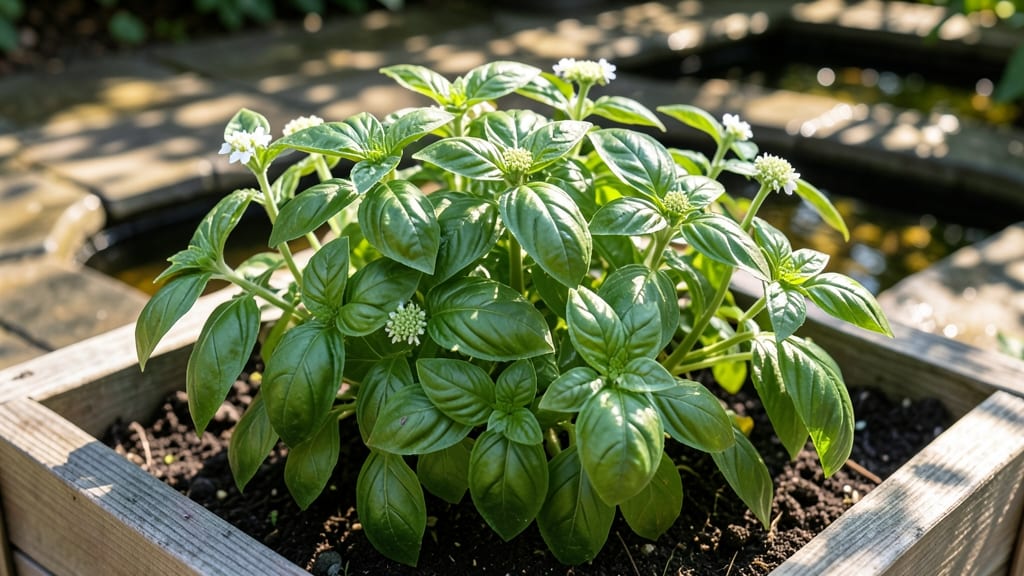
To tell if basil is flowering, look for tiny white or purple buds forming at the leaf junctions—these signal your plant is shifting energy from leaves to seeds, and your harvest flavor is about to fade.
If your Sweet Basil 🌿 plants are suddenly producing these delicate blooms, your fresh herb harvest is about to lose its signature flavor unless you act fast. Flowering basil is a clear sign your plant needs immediate attention, but how do you spot it before it’s too late?
Flowering isn’t just an aesthetic change—it’s a flavor killer. Once those buds appear, the essential oils that give basil its rich, aromatic taste start to decline.
The plant’s energy shifts from producing leaves to creating seeds, leaving you with bitter, tougher foliage that’s far from the tender, sweet basil you love.
In this guide, I’ll walk you through the 3 key visual cues that confirm flowering, how to prune those buds to save your plant’s productivity, and even how to delay flowering for a longer harvest season. Let’s keep your basil thriving!
Visual signs your basil is flowering (and why it matters)
Flowering basil might seem like a natural part of its life cycle, but for gardeners, it’s actually a flavor-killer. When your sweet basil starts producing flowers, it signals the plant is shifting energy from leaf production to seed creation.
This means less aromatic oils—the compounds that give basil its signature taste—and smaller, bitter-tasting leaves. The good news? You can spot these signs early and take action to preserve your harvest.
Understanding the three key visual cues of flowering basil helps you act fast. These include tiny white or purple flower buds, elongated stems, and yellowing or curling leaves. Each of these signs appears in a specific order, giving you a heads-up before the plant fully transitions.
By recognizing these early warnings, you can prune strategically and keep your basil productive for weeks longer.
Here’s what you need to know to identify flowering basil before it’s too late:
How to Tell If Basil Is Flowering
-
1. Tiny White or Purple Flower Buds
Look for tiny, clustered buds (about 1/8-inch wide) at the top of stems. These buds appear first in the terminal bud (the very tip of the plant) and may be white, purple, or pink. These are the first clear sign your basil is flowering. -
2. Elongated, Woody Stems
Flowering basil stems stretch taller and become woody. Healthy basil stays compact and bushy, but flowering plants develop thin, elongated stems as they focus on producing flowers instead of leaves. Check for stems longer than 6 inches with fewer leaves. -
3. Yellowing or Curling Leaves
As the plant redirects energy to flowers, lower leaves may yellow or curl. This happens because the plant is prioritizing flower production over leaf health. If you notice older leaves turning yellow or crispy, it’s a late-stage sign of flowering.
💡 Pro Tip: Check your basil weekly for these signs, especially if it’s in full sun or overcrowded. Early detection means more time to save your harvest!
The science behind this shift is fascinating. Basil produces essential oils (like eugenol and linalool) in its leaves, which give it that distinctive aroma and flavor. When flowering begins, the plant reduces oil production by up to 50%, making leaves taste milder and sometimes bitter.
This is why gardeners prune flowers aggressively—to keep the plant focused on leaf growth.
Flowering also signals the end of your basil’s productive growth phase. Once buds appear, the plant’s energy shifts from leaf production to seed creation. This means fewer harvestable leaves and a gradual decline in flavor.
If you let flowering continue, your basil may produce seeds but become useless for cooking within weeks. The good news? With quick action, you can reset the plant and encourage new leaf growth.
Don’t wait until you see full-blown flowers to act. By the time white or purple blooms appear, your basil’s flavor profile has already deteriorated. The earlier you prune, the more time you’ll have to enjoy fresh, aromatic leaves.
Even a single flower bud can trigger this shift, so stay vigilant—especially if your basil is in hot, sunny conditions or over-fertilized.
If you’re growing basil in containers, flowering happens even faster due to limited root space. Potted basil often bolts (goes to flower) within 6-8 weeks if not pruned regularly.
This is why container gardeners need to check their plants every 3-4 days during peak growing season. A quick stem inspection can save your harvest before it’s too late.
Here’s a quick flavor comparison: Non-flowering basil leaves are bright green, glossy, and packed with essential oils, while flowering basil leaves become dull, yellowish, and taste like mild lettuce. The difference is night and day for any recipe requiring bold basil flavor.
Think of it this way—one week of inaction could mean the difference between perfect pesto and disappointing herbs.
Once you’ve identified flowering, your next step is pruning the flower stems down to the nearest leaf node. This encourages the plant to redirect energy back to leaf production instead of seed development. With the right technique, you can reset your basil and enjoy another 4-6 weeks of harvests.
But the key is acting fast—the longer you wait, the harder it is to revive the plant.
🌿
Step-by-step guide to pruning flowering basil (with before/after tips)
Once you spot those tiny white or purple flowers on your basil, time is critical. Pruning flowering stems correctly can revive your plant and restore its flavorful leaves—but doing it wrong can stunt growth or even kill your basil.
The key is acting fast and precisely, using the right tools and technique.
Flowering basil redirects energy from leaf production to seed creation, which means softer, less aromatic leaves and slower regrowth. By pruning strategically, you’ll encourage bushier, more productive plants that keep yielding those bright green, flavor-packed leaves you love. Let’s get started with the essentials.
How to Tell If Basil Is Flowering
- 1 Check for tiny buds at stem tips—these are inflorescences (flower clusters) that start as pea-sized bumps along the main stem.
- 2 Look for elongated stems—flowering basil often grows taller and leggier as it focuses energy on blooms instead of leaves.
- 3 Observe leaf changes: Leaves near buds may yellow or shrink, signaling the plant is shifting resources to flowers.
- 4 Confirm with flower color: White or purple-tinged flowers (common in sweet basil) confirm it’s time to prune.
Now that you’ve identified the flowering stems, grab your sharp pruning shears or clean scissors—never use dull tools, as they crush stems and invite disease. The best time to prune is early morning when the plant is hydrated and temperatures are mild, reducing stress on your basil.
Locate the terminal bud (the topmost growth point) where the flower is forming. Using a sterilized cut, snip the stem just above a set of leaves below the flower.
This encourages the plant to branch out from that node, producing more leafy growth. Avoid cutting too close to the base—this can expose the plant to rot or pests.
After pruning, give your basil a light fertilizer boost (like a balanced 10-10-10 mix) to support new growth. Within 2-3 weeks, you should see new shoots emerging from the pruned nodes.
If you notice yellowing leaves or stunted growth afterward, your cuts may have been too severe—adjust next time to leave more leafy stems intact.
Common mistakes to avoid include pruning too late (when flowers are fully open) or using contaminated tools, which can spread disease. Also, never remove more than 1/3 of the plant in one session—this stresses the basil and can halt regrowth entirely.
With the right technique, your pruned basil will bounce back stronger than ever, ready for another round of harvests.