
Flowers
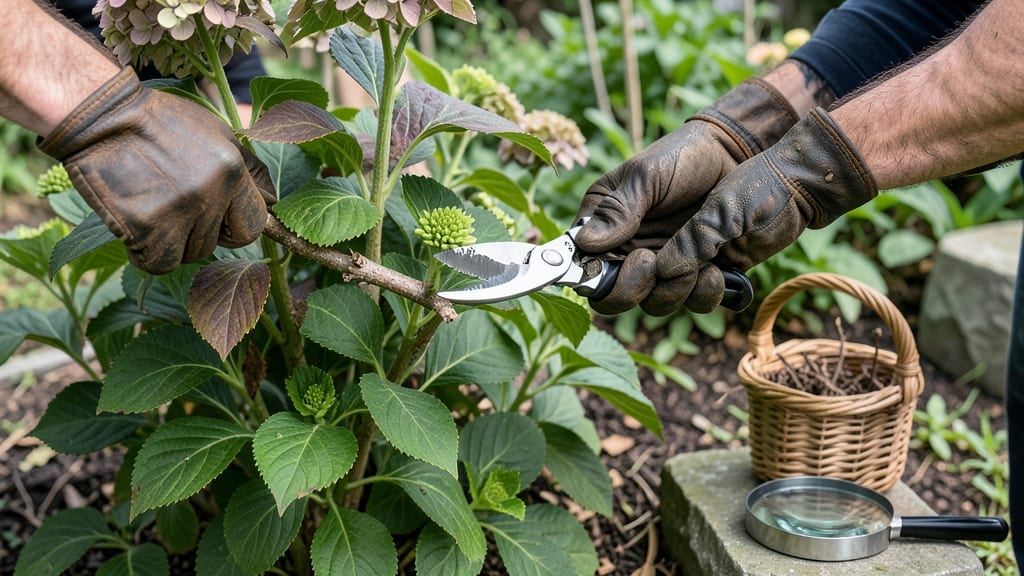
Cutting hydrangea flowers off at the right time ensures next year’s blooms — but timing it wrong can mean a bare shrub by summer.
Picture this: You’ve just pruned your 🌸 hydrangeas in late summer, only to wake up next spring with no buds. That’s because some varieties bloom on old wood, while others need new growth. The key is knowing when to prune for your specific type.
For most gardeners in USDA Zone 6a, late winter or early spring is the best window for pruning reblooming varieties like panicle hydrangeas. Meanwhile, lacecaps and mopheads (old-wood bloomers) need a different approach—wait until after they’ve finished flowering in summer.
In this guide, I’ll break down the exact timing for every type, plus how to avoid common mistakes that leave your hydrangeas looking sad. Ready to prune like a pro?
Best time to prune hydrangeas by type (old vs new wood)
Hydrangeas are divided into two key groups: those that bloom on old wood (last year’s growth) and those that bloom on new wood (current season’s growth). Getting this wrong means no flowers next year—or worse, dead branches.
The best time to cut hydrangea flowers off depends entirely on which category your plant falls into, and I’ll break it down for you.
For old-wood bloomers like mophead and lacecap hydrangeas, pruning happens right after flowering in late summer or early fall.
This lets them set next year’s buds on the current season’s growth. New-wood bloomers, including panicle and oakleaf hydrangeas, can be pruned in late winter or early spring without risking lost blooms.
Here’s the critical difference: Old-wood types must not be pruned in late winter, as their flower buds form the previous summer. New-wood types thrive with aggressive spring pruning because their buds form on current season’s growth.
Confusing? Don’t worry—I’ve got a clear pruning schedule for each type below.
If you’re unsure which type you have, check your hydrangea’s flowers. Mophead and lacecap varieties produce large, rounded clusters on last year’s stems, while panicle hydrangeas have cone-shaped blooms that appear on current season’s growth. Oakleaf hydrangeas have oak-shaped leaves and bloom on old wood.
For reblooming varieties like 'Endless Summer', the rule changes slightly. You can prune lightly in late winter to shape the plant, then deadhead spent blooms in late summer to encourage a second flush of flowers before winter.
This hybrid approach works because these plants bloom on both old and new wood.
Timing isn’t the only factor—how you prune matters too. Always use clean, sharp pruners and cut just above a bud or node, angled slightly away from the bud.
Avoid topping (cutting back to a stub), as this can stunt growth and reduce flowering. I’ll cover step-by-step pruning techniques in the next section.
One common mistake is pruning old-wood hydrangeas in late winter. If you’ve already done this, don’t panic—your plant may still recover. However, you’ll likely lose next year’s blooms unless you wait until late summer to prune.
For new-wood types, late winter pruning is ideal because it stimulates fresh growth and encourages larger blooms.
Pro tip: Mark your calendar with two key dates. For old-wood types, note late August or early September for pruning. For new-wood types, late February or early March is perfect—just as new buds begin to swell.
This timing ensures your hydrangeas enter dormancy or active growth at the right moment for maximum blooming potential.
Remember, patience is key. Hydrangeas respond best to gradual pruning over time. If you’ve never pruned before, start with light cuts and
Step-by-step guide to pruning hydrangeas without killing them
Pruning hydrangeas might seem intimidating, but the key is timing and technique. Cutting at the wrong time can strip your plant of next year’s blooms—especially for varieties like mophead and lacecap hydrangeas that rely on old wood for flowers.
The good news? With the right approach, you’ll encourage healthier growth and more vibrant blooms every season. Let’s break it down step by step.
Before you grab your pruners, gather your tools: sharp bypass pruners, sterilized shears, and gloves to protect your hands. You’ll also want to identify dead wood (brown, brittle stems) versus live wood (green stems with buds).
This distinction is critical—cutting live wood too aggressively can reduce next year’s flowers. Let’s walk through the process to avoid common mistakes like over-pruning or cutting at the wrong angle.
- 1 Wait until late winter or early spring (just before new growth begins). For old-wood bloomers (like mophead hydrangeas), prune right after flowering if needed, but avoid heavy cuts. For new-wood bloomers (like panicle hydrangeas), prune in late winter to shape the plant.
- 2 Remove dead or damaged wood first. Look for brown, hollow stems—these won’t regrow. Cut these back to the base of the plant or to a healthy bud. This step improves airflow and reduces disease risk.
- 3 Shape the plant by cutting above a bud. Make your cuts at a 45-degree angle, about 1/4 inch above an outward-facing bud. This encourages growth in the direction you want. Avoid cutting too close to the bud—it can prevent new shoots from forming.
- 4 Thin out crowded branches to improve airflow. Focus on older stems that are thicker than a pencil. Removing these reduces competition for nutrients and helps the plant focus energy on new, healthy growth.
- 5 Clean up debris immediately. Remove all pruned branches and fallen leaves from the area to prevent fungal diseases like powdery mildew. Sterilize your tools with rubbing alcohol or a 10% bleach solution before storing them.
One of the biggest mistakes gardeners make is pruning too late in the season. If you cut back hydrangeas in fall or winter, you risk removing next year’s flower buds before they’ve formed.
For reblooming varieties (like panicle hydrangeas), you can prune lightly after the first flush of flowers to encourage a second bloom cycle. But for non-rebloomers, wait until late winter to avoid sacrificing blooms.
After pruning, give your hydrangeas a light fertilizer to support new growth. Focus on balanced NPK (like 10-10-10) and water deeply to help the plant recover. Mulch around the base to retain moisture and protect roots from temperature fluctuations.
With the right timing and care, your hydrangeas will reward you with bigger, healthier blooms next season. 🌸
Remember, patience is key. Hydrangeas respond well to gradual pruning over time. If you’re unsure about a cut, it’s better to leave it—your plant will thank you with vibrant, long-lasting flowers for years to come. Happy pruning! ✂️