
How To
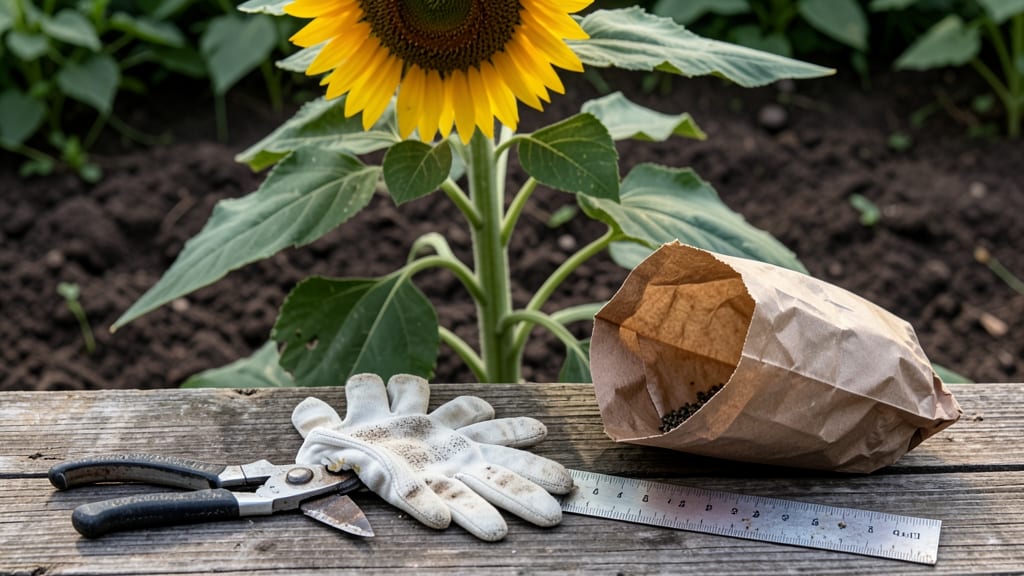
Knowing when sunflower seeds are ready to harvest is all about checking the back of the seed head for a brown, dry center 🌻 — the moment the petals droop and the seeds rattle inside.
Harvesting sunflower seeds at the perfect time means the difference between rich, flavorful treats and bitter, underdeveloped nuts—so how do you know when they're truly ready?
Start by looking for a yellow-brown back on the seed head, where the petals begin to wilt. If you shake the head gently and hear seeds rattling, that’s your cue they’re mature.
Below, I’ll walk you through the exact visual and tactile checks, plus the best time of day to harvest for the freshest seeds.


Signs sunflower seeds are ready: visual & tactile checks
Knowing exactly when to harvest sunflower seeds can feel tricky, but focusing on the right visual and tactile cues makes it simple. The key is checking the back of the seed head for that telltale brown center, along with other subtle changes in the plant's appearance.
These signs ensure you collect seeds at peak maturity—when they're flavorful, viable, and ready for storage.
Sunflower seeds mature unevenly, so don’t rely on just one clue. Instead, combine color changes, seed head texture, and even the sound of the seeds inside. For example, a dry, papery back and drooping petals are two of the most reliable indicators.
Ignoring these can lead to seeds that are either too green (underdeveloped) or too dry (bird-damaged).
Pro Tip: Always harvest on a dry, sunny morning to prevent mold growth. This is when the seed heads are at their driest, making it easier to spot maturity cues like the brown center and yellowing leaves.
The brown center test is the gold standard for sunflower seed maturity. Flip open the seed head and look for a uniform brown color on the back. If it’s still green or patchy, wait 2-3 more days.
This test alone can save you from harvesting seeds that are either too young (bitter) or too old (dry and shriveled).
Don’t overlook the leaves—they’re a secondary indicator. When the lower leaves start yellowing and the plant’s energy shifts upward, it’s a sign the seeds are nearing maturity. Pair this with the dry back of the seed head, and you’ve got a foolproof system.
Skipping this step might mean seeds that don’t store well or sprout poorly next season.
For a final check, shake the seed head gently. If you hear a dull rattling sound, the seeds inside are mature and ready. If it’s silent, they need more time.
This tactile cue is especially useful for taller varieties where visual checks might be harder. Combine this with the color test, and you’ll never miss the perfect harvest window again.
Timing matters too—harvest seeds before birds strip them. Once the back turns fully brown, birds will target the seed heads. Cutting the stem 1-2 inches below the head and hanging it upside down in a dry, dark place speeds up drying.
This method preserves seed quality while keeping them safe from pests.
If you’re unsure, harvest a few seeds early and test them. Plant them in soil to check for viability. Healthy seeds will sprout within 7-10 days, confirming they’re ready for storage. This simple test gives you peace of mind and ensures you’re not wasting time on underripe seeds.
Remember, patience pays off. Rushing the harvest leads to seeds that won’t store well or sprout properly. By mastering these visual and tactile checks, you’ll consistently harvest sunflower seeds at their peak—rich, flavorful, and ready for your next gardening project. 🌻
Best harvesting methods for sunflower seeds: when & how to pick
Timing is everything when harvesting sunflower seeds. Morning is the best time to pick because the seed heads are dry and less likely to attract birds or pests. Avoid harvesting in the afternoon when humidity rises, as this can slow drying and increase mold risk.
Once you've confirmed your sunflowers are fully mature, you'll need to choose between hand-picking seeds or cutting the entire seed head. Each method has its advantages depending on your sunflower's size and your comfort level.
Pick on a dry morning after dew has evaporated.
Look for brown, dry centers on the back of the seed head and drooping petals.
Hand-picking: Best for smaller varieties or if you want specific seeds.
Cutting heads: Ideal for large varieties or bulk harvesting.
Hand-picking: Gently rub seeds from the head into a paper bag.
Cutting heads: Use clean pruners or shears to cut 2-3 inches above the head.
Hang heads upside down in a dry, dark place with good airflow for 2-4 weeks until seeds rattle freely.
After harvesting, drying sunflower seeds properly is crucial. Place the seed heads in a well-ventilated area like a garage or shed, away from direct sunlight. This prevents mold growth while allowing moisture to escape.
For hand-picked seeds, spread them on a paper towel in a single layer and check daily.
Once fully dry, store seeds in airtight containers like glass jars or resealable bags. Keep them in a cool, dark place to maintain viability for up to 1 year. Proper storage prevents moisture absorption, which can lead to spoilage.
Remember, patience pays off with sunflower seeds. Rushing the process can result in underdeveloped seeds that won't sprout properly. If you're unsure, wait an extra 3-5 days before harvesting—your future garden will thank you!