
How To
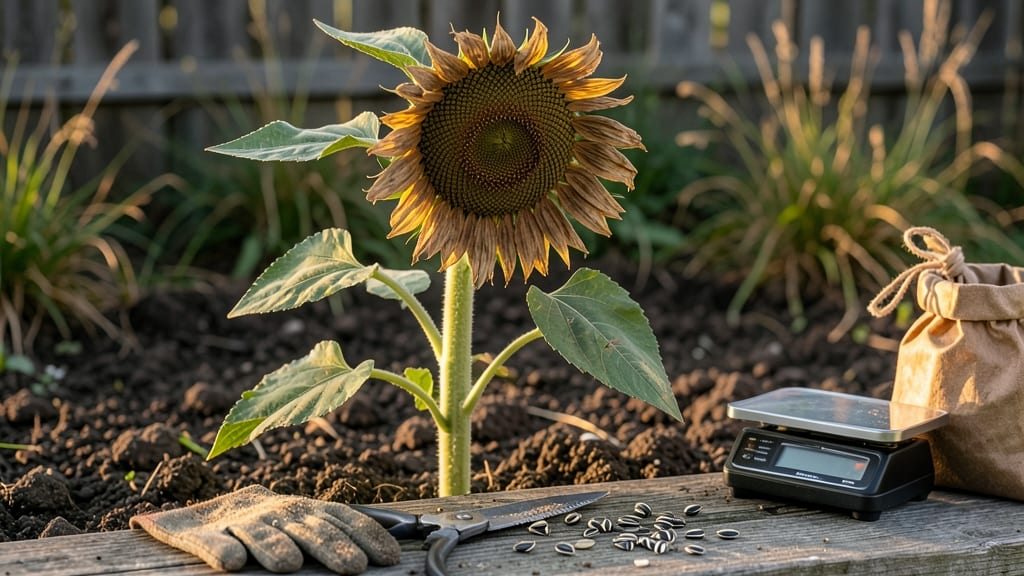
Harvest sunflower heads at the right time, and you’ll get seeds packed with flavor and oil—but wait too long, and you’ll lose them to birds or mold.
Picture this: your 🌻 sunflowers towering over the garden, their petals drooping just enough to hint at ripeness. That’s the moment to act, because missing it means either bitter seeds or an empty head.
The key is watching for the back of the head turning brown and the stem snapping cleanly—two sure signs you’re ready to harvest.
Timing matters most in USDA Zone 6a, where late summer heat speeds up ripening. If you harvest too early, the seeds won’t mature; too late, and you’ll fight off hungry birds or deal with moldy heads.
Below, I’ll walk you through the exact visual cues, from seed color shifts to the stem snap test, so you never miss the perfect window.
Once you’ve mastered the timing, you’ll learn how to dry, store, and even use your harvest—whether for seeds, oil, or crafts. Let’s make sure your hard work pays off with the best possible yield.


How to identify perfectly ripe sunflower heads by seed color and plant signals
Harvesting sunflowers at the right time ensures maximum seed yield and optimal oil content. The key lies in watching for visual color shifts and tactile cues that signal maturity. Unlike many crops, sunflowers give clear physical indicators—but timing varies by variety and climate.
For example, oil-type sunflowers like 'Mordovia' ripen slightly later than confectionary types like 'Russian Giant.'
Start by examining the back of the flower head, which changes from green to brown as seeds mature. This is your first primary visual cue. Next, check the petals, which begin to droop and brown at the edges.
These changes happen gradually, so monitor your plants weekly in late summer. In cooler climates (USDA Zones 3-5), ripening may stretch into early October, while warmer zones (6-10) often see harvests by mid-September.
The stem snap test is my favorite foolproof method—it takes just 3 seconds and eliminates guesswork. Hold the main stem near the base and bend it gently sideways. If it snaps cleanly with a crisp sound, your sunflower is ready for harvest.
A flexible stem means more time needed, while a brittle or hollow-sounding stem signals overripeness. Perform this test in the morning after dew dries for the most accurate results.
Don't overlook the seed color progression, which is your most reliable indicator. Start with bright green seeds that gradually turn yellowish-brown. When seeds reach a uniform tan or brown hue, they're fully mature.
For confectionary sunflowers, seeds should be plump and firm—if they're soft or shriveled, they've passed their prime. Pro tip: Cut open a seed to check—if the kernel is fully formed and dry inside, it's harvest-ready.
Regional variations matter! In northern climates like Minnesota or Maine, sunflowers may take 10-14 days longer to ripen due to shorter growing seasons. Plant early-maturing varieties like 'Autumn Beauty' (50-60 days) to ensure harvests before first frost.
Meanwhile, in southern states like Texas or Florida, heat can accelerate ripening, so watch for petal drop as early as late July. Always adjust your timeline based on your local last frost date.
One common mistake is harvesting based solely on petal drop. While drooping petals are a good sign, they can fall before or after the seeds reach peak maturity. Instead, combine all three cues: brown back, drooping petals, and clean stem snap.
For large heads (12+ inches), you might find uneven ripening—harvest when the outer seeds are ready, then check inner seeds weekly.
To maximize your harvest, use netting or bird guards once seeds turn brown. Birds are opportunistic thieves and can strip a head in hours. I've lost entire crops to blackbirds when I delayed netting.
For extra-large varieties, consider harvesting in stages—cut the head when 70% of seeds are ripe, then hang
Sunflower harvesting mistakes that waste your bounty (and how to avoid them)
Harvesting sunflowers at the wrong time can mean the difference between a nutrient-packed bounty and bitter, moldy seeds. Many gardeners make the same costly mistakes—like cutting too early for underdeveloped seeds or waiting too long and losing everything to birds or rot.
Let’s fix that with the critical timing and storage tips you need to maximize your harvest.
First, the biggest mistake is ignoring seed color. Green seeds mean immature harvests, while seeds that turn grayish-brown are overripe. Even worse, leaving heads too long on the plant invites bird raids or mold. For short-season climates, timing is everything—delayed harvests can mean lost yields entirely.
⚠️ Critical Harvest Window: Don’t Miss It!
Oil varieties (e.g., NuSun): Harvest when back turns brown and seeds are dark gray (70-90 days).
Confectionary varieties (e.g., Mammoth): Harvest when petals droop and seeds are striped (80-120 days).
Short-season tip: Use row covers to delay ripening by 1-2 weeks.
Another common error is harvesting with wet stems, which speeds up mold. Always cut 1-2 feet above the base and let heads dry indoors for 1-2 weeks.
Skip the microwave shortcut—it ruins seed quality. For large varieties, hang heads upside down in a well-ventilated space to prevent rot.
Storage mistakes are just as damaging. Moisture is enemy #1—seeds stored in plastic bags will mold within days. Instead, use paper bags or glass jars with silica gel.
Keep seeds in a cool, dark place (below 60°F) to preserve freshness for up to 1 year. Label varieties to avoid mix-ups!
For short-season gardeners, extend your harvest window by planting succession crops every 2 weeks. Choose early-maturing varieties like Autumn Beauty (60 days) to stagger ripening. If frost threatens, harvest heads early and finish drying indoors—just expect slightly lower oil content in seeds.
Finally, don’t overlook the stem snap test. A ripe sunflower stem should snap cleanly when bent—if it bends without breaking, it’s not ready. Combine this with seed color checks and you’ll never waste another harvest. Now go enjoy those golden rewards! 🌻