
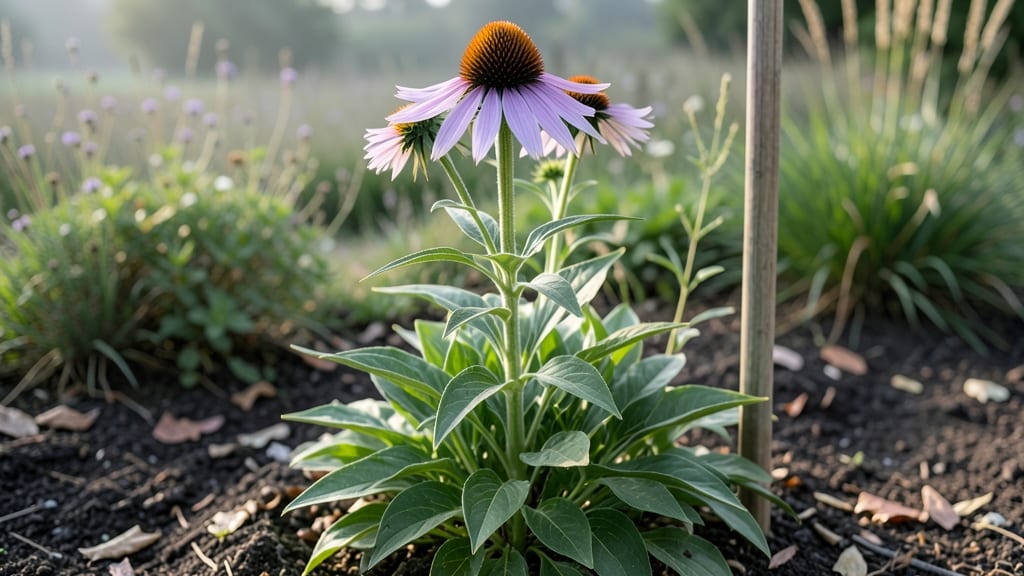
How Tall Do Coneflowers Grow: Exact Heights by Variety for Your Garden

Flowers

How Tall Do Coneflowers Grow: Exact Heights by Variety for Your Garden

Coneflowers grow anywhere from 1 to 5 feet tall, depending on the variety, making them a versatile choice for nearly any garden spot 🌼.

If you’re planning your garden layout but unsure whether coneflowers will tower over your other plants or stay compact, knowing their exact heights is key to creating a balanced, visually stunning space.

From dwarf varieties that stay under 2 feet to standard types reaching 4 or 5 feet, these hardy perennials adapt beautifully to different garden zones, including USDA Zone 6a.

Below, I’ll break down how to choose the right variety for your space, how height affects sunlight exposure, and the best spacing tips to ensure your coneflowers thrive year after year.

Dwarf
1-2 ft
Container friendly
Semi-Dwarf
2-3 ft
Most popular
Standard
3-5 ft
Full orchard size

Coneflower height by popular variety: from dwarf to giant

Coneflowers (genus Echinacea) are prized for their durability, vibrant blooms, and low-maintenance nature. But their height variations can drastically change your garden design. Some stay compact at just 12 inches tall, while others reach 5 feet or more.

Understanding these differences helps you place them perfectly—whether as border accents or back-of-the-border stars.

Height isn’t the only factor—growth habits and spacing needs vary too. Dwarf varieties thrive in containers or tight spaces, while tall types need room to avoid flopping. Below, I’ve broken down 10 popular coneflower varieties, their mature heights, and ideal spacing for a clutter-free, thriving garden.

How coneflower height affects garden design and spacing

Coneflowers aren’t just beautiful additions to your garden—their height variations can completely transform your landscape design. Whether you’re creating a wildflower meadow or a structured perennial border, understanding how tall coneflowers grow helps you pair them with the right companions.

Taller varieties like Echinacea purpurea (3–5 ft) thrive as backdrop plants, while dwarf varieties (1–2 ft) shine in front-of-border arrangements.

Proper spacing between plants also prevents overcrowding, ensuring each coneflower gets the sunlight and airflow it needs to reach its full potential. For example, planting tall coneflowers (4+ ft) too closely can shade out shorter neighbors, while dwarf varieties need more room to spread without competing for space.

Let’s explore how to use coneflower height to your advantage in garden design.

  • 🌱 Dwarf Varieties (1–2 ft)
    • Perfect for front-of-border planting
    • Pair with shorter perennials like Salvia nemorosa or Coreopsis
    • Space 12–18 inches apart for full spread
  • 🌿 Medium Varieties (2–3 ft)
    • Ideal for mid-border placement
    • Combine with grasses like Miscanthus or Rudbeckia
    • Space 18–24 inches apart for balanced growth
  • 🌳 Tall Varieties (3–5 ft)
    • Best as backdrop plants or in wildflower meadows
    • Plant near sun-loving shrubs like Butterfly Bush or Joe Pye Weed
    • Space 24–36 inches apart to avoid shading neighbors

Sunlight needs also play a role in height management. Taller coneflowers in full sun (6+ hours) will naturally grow upright, while those in partial shade may become leggy.

To keep your coneflowers thriving, prune back spent blooms in late summer to encourage second flushes of flowers and maintain a compact shape. This trick works especially well for medium-height varieties in mixed borders.

For companion planting, consider pairing tall coneflowers with vertical climbers like Cleome or Tall Garden Phlox. These combinations create dynamic height layers while ensuring no plant feels overshadowed.

In container gardens, dwarf coneflowers pair beautifully with trailing plants like Lobelia or Sweet Alyssum, adding texture and color without competing for space.

Don’t forget to consider seasonal interest. Coneflowers offer year-round structure—their dried seed heads in winter provide texture, while their early spring foliage adds greenery before other perennials emerge. By strategically placing coneflowers of varying heights, you’ll create a visually balanced garden that thrives from spring to frost.

Experiment with height gradients in your design. For example, plant tall coneflowers along fences or at the back of borders, medium varieties in the middle, and dwarf types in the front. This creates a natural flow that guides the eye through your garden while keeping maintenance simple.

With the right spacing and companions, your coneflowers will become the star of your landscape—without overpowering it.

★★★★★4.6(3 reviews)
Categories Flowers
Variety Mature Height Spacing Growth Habit Best For
'White Swan' (E. purpurea) 24–30 inches 18–24 inches apart Upright, clump-forming Mid-border, cut flowers
'Green Envy' (E. purpurea) 18–24 inches 12–18 inches apart Compact, bushy Containers, front borders
'Magnus' (E. purpurea) 36–48 inches 24–30 inches apart Tall, sturdy stems Back of borders, wildflower gardens
'Purple Beauty' (E. purpurea) 30–36 inches 20–24 inches apart Semi-dwarf, spreading Pollinator gardens, mixed borders
'Sombrero' (E. paradoxa) 12–18 inches 12 inches apart Dwarf, rounded Rock gardens, containers
'White Swan' (E. pallida) 20–28 inches 18 inches apart Slender, upright Prairie-style gardens
'Hot Papaya' (E. purpurea) 24–30 inches 18–24 inches apart Bushy, multi-branched Cut flower arrangements
'Greenland' (E. purpurea)