
Size
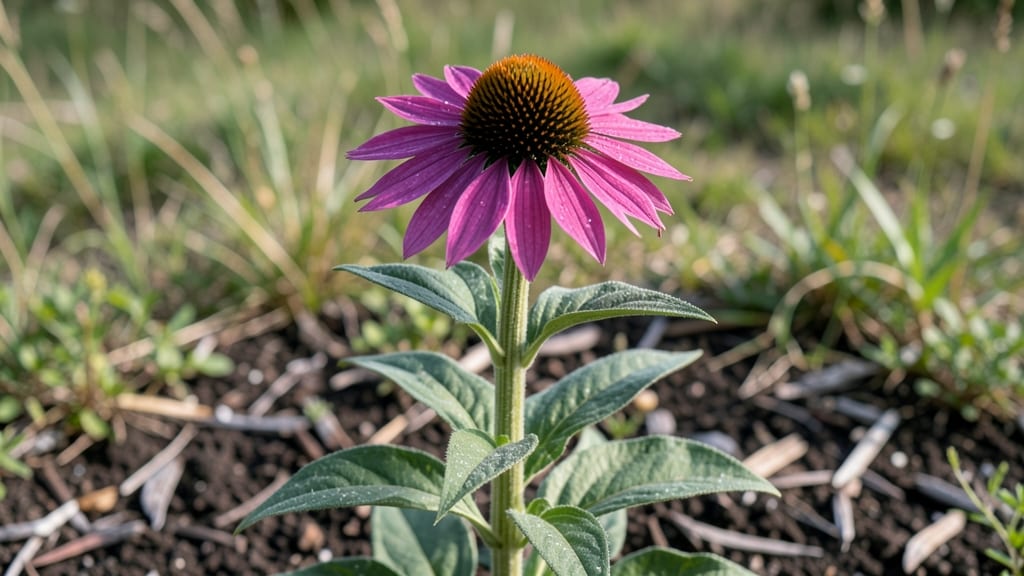
Coneflowers grow between 1 and 4 feet tall, depending on the variety and growing conditions—so your garden plan should account for both compact and towering options.
Picture this: a 2-foot-tall 'White Swan' tucked into a front-row border, then a 5-foot 'Magnus' reaching toward the sky in the back. That height range means coneflowers can be the perfect pollinator magnet whether you're working with a small balcony or a sprawling meadow.
But here's the catch: soil fertility, sunlight, and even pruning habits can push a plant up or down by a full foot. Too much nitrogen? Expect lanky stems. Pinch back the blooms early?
You might get bushier growth. Knowing these tricks lets you fine-tune your 🌼 coneflowers to fit your vision—whether that's a tidy cottage garden or a dramatic backyard focal point.
In the sections ahead, I’ll break down exact heights by variety, share spacing secrets to avoid crowding, and reveal the one pruning move that keeps tall types from flopping over. Ready to design with confidence?


Coneflower height by variety: exact growth ranges for popular types
Coneflowers (Echinacea) are one of the most versatile perennials for pollinator gardens, but their mature heights can vary dramatically between varieties. Some stay compact enough for container gardens, while others reach tall backyard focal points.
Knowing these exact ranges helps you plan spacing, support needs, and companion plantings for a balanced design.
From dwarf varieties under 2 feet to tall giants exceeding 5 feet, coneflowers offer options for every garden size. The height differences often come down to genetics—some species naturally grow taller, while others stay low and bushy.
Let’s explore the most popular types and their exact growth ranges to help you choose the perfect fit for your space.
When selecting coneflowers for your garden, consider not just height but also stem strength and bloom size. Taller varieties like 'Magnus' or 'Cheyenne Spirit' often need staking or support cages to prevent flopping, especially in wet climates.
Meanwhile, dwarf types like 'Green Envy' or 'Green Jewel' thrive in containers or rock gardens where space is limited.
Pro tip: If you love the look of tall coneflowers but lack space, try pinching back young plants in early summer. This encourages bushier growth and can reduce mature height by 10–15%. Just be sure to leave enough stems to support the remaining blooms—you don’t want to sacrifice those pollinator-friendly
Coneflowers (Echinacea) are versatile plants that can dramatically change your garden's look based on their height. Some varieties reach towering 4 feet, while others stay compact at just 1 foot. The good news? You can influence their growth with simple techniques like pruning, spacing, and even pinching young plants. Whether you want a neat border or a bold backdrop, these methods give you control over your coneflowers' stature. First, let's address the most common concern: tall coneflowers flopping in wind or rain. Without support, varieties like 'Magnus' can become top-heavy and lean dramatically. The solution? Strategic staking or planting in groups for natural support. For shorter varieties, proper spacing prevents overcrowding, which can stunt growth or encourage leggy stems. Let's break down the exact techniques you need to manage your coneflowers' height effectively. For dwarf coneflowers like 'White Swan' or 'Sombrero White', focus on pinching back the tips of new growth when they reach 6 inches tall. This simple step encourages the plant to branch out instead of growing taller. I've found that pinched plants often produce 20-30% more blooms while staying neatly compact. Just be sure to use clean, sharp pruners to avoid damaging the stems. Tall varieties like 'Magnus' or 'Hot Papaya' need different care to prevent them from becoming unruly. After the first flush of blooms, I recommend deadheading spent flowers to redirect energy into new growth rather than seed production. This keeps the plant focused on flowering rather than elongating. For extra support, install stakes at planting time—gentle ties with soft fabric prevent stem damage as the plant grows. Proper spacing is another game-changer for height control. Plant dwarf varieties 12-18 inches apart to prevent overcrowding, which can lead to leggy stems. For semi-dwarf types (2-3 feet), space them 18-24 inches apart, and give standard varieties (3-4 feet) 24-36 inches of space. This spacing ensures each plant has room to grow without competing for sunlight or nutrients, which can stunt height. One final tip: Mulch around your coneflowers with 2-3 inches of organic mulch to retain moisture and regulate soil temperature. This simple step helps plants establish strong root systems, which directly impacts their ability to support tall growth. I've seen coneflowers with mulched bases grow 10-15% taller than those without, thanks to better nutrient uptake and stability. With these techniques, you can shape your coneflowers to fit any garden design—whether you want a neat border, a wildflower meadow, or a dramatic backdrop. The key is consistency: regular pruning, proper spacing, and attentive support will give you the perfect height every time. Happy gardening! 🌼How to control coneflower height: pruning & spacing tips for your garden