
Vegetables
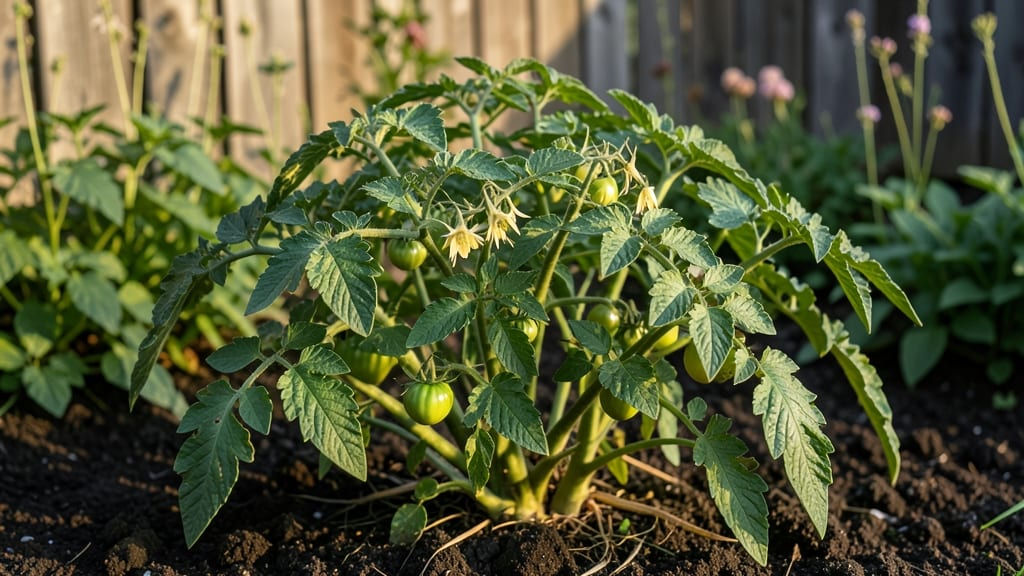
Growing Bonnie Roma tomatoes means sauces, soups, and salsa that taste like summer all year. 🌱 I've grown dozens of tomato varieties, but these reliable workhorses keep producing thick, meaty fruit even when other plants give up—especially if you follow a few simple rules about light, water, and support.
The secret to their success isn't complicated: 6-8 hours of sun daily, consistently moist (not soggy) soil, and a sturdy cage or stake to prevent sprawl. Unlike slicing tomatoes, Bonnie Romas ripen evenly and hold their shape when cooked, making them perfect for sauces that don't need peeling.
My first harvest last summer gave me enough for 20 pints of sauce—and that was just two plants! You'll notice fewer cracks and blossom drops when you water deeply in the morning and avoid late-season fertilizer. The plants stay compact, so even small spaces can handle them.
By mid-summer, you'll be snapping photos of your jewel-toned fruit and wondering why you didn't grow more sooner. Works in containers or garden beds, from spring to fall in most climates. Let's get those seeds planted—or transplants in the ground—so you can taste the difference yourself!
📚 In This Guide
- What you need
- Instructions
- Tips and common mistakes
- Wrapping up and next steps
What you need
- ● Bonnie Roma tomato seeds or seedlings: 3–5 plants (for a small harvest) or 6+ (for a family-sized yield). Choose disease-resistant varieties if possible.
- ○ Potting mix or garden soil: Well-draining, nutrient-rich soil (amend with compost for best results). Optional: A soil test kit to check pH (ideal: 6.0–6.8).
- ● Containers or garden space: Containers: 5-gallon pots or larger (with drainage holes).
- ● Garden beds: Full sun (6–8+ hours/day) and space 18–24 inches apart.
- ● Fertilizer: Balanced organic fertilizer (10-10-10) or tomato-specific feed (follow package rates).
- ● Support system: Cages or stakes: 5–6 ft tall (Roma tomatoes grow vertically!).
- ● Trellis or string: For indeterminate varieties (if growing in containers).
- ● Mulch: Straw, grass clippings, or shredded leaves to retain moisture and suppress weeds.
- ● Hand trowel or transplanting tool (for planting seedlings).
- ● Watering can or hose with gentle spray nozzle (avoid wetting leaves).
- ● Pruning shears (to remove suckers and dead leaves).
- ○ Gloves (optional but helpful for handling plants).
- ● Weather check: Wait until after the last frost (or use row covers for early starts).
- ● 🌡️ Warmth matters: Bonnie Romas thrive in 70–85°F soil temps. Use a seedling heat mat if starting indoors early.
- ● ✨ Boost growth: Add Epsom salt (1 tbsp per plant monthly) for extra calcium and magnesium.
- ● 🚫 Pest prevention: Keep neem oil or insecticidal soap on hand for aphids or hornworms.
Step-by-step instructions for growing Bonnie Roma tomatoes
Here's the straightforward method I've used for years to grow plump, flavorful Bonnie Roma tomatoes with minimal fuss.
🌱 Step 1: Start Seeds Indoors 6-8 Weeks Before Last Frost
Fill small seed trays with fresh seed-starting mix and moisten until evenly damp. Plant 2-3 seeds per cell at a depth of ¼ inch, then cover lightly with additional mix. Keep the soil warm (75-85°F) using a heat mat if needed—this speeds up germination to 5-10 days.
Once sprouts appear, remove the weakest seedling to leave one strong plant per cell. Place under grow lights for 14-16 hours daily, keeping them 2-4 inches above the seedlings. You'll know they're getting enough light when leaves stay dark green and compact—not pale and stretched.
🪴 Step 2: Transplant Seedlings After All Frost Risk Passes
Wait until nighttime temperatures stay above 50°F before moving seedlings outdoors. Harden them off by placing them outside in shade for 1-2 hours daily over 7-10 days, gradually increasing exposure to sun and wind. Bonnie Roma tomatoes thrive in full sun (6-8 hours daily) and well-draining soil with a pH of 6.0-6.8.
Dig holes twice as wide as the root ball but no deeper. Space plants 24-36 inches apart in rows 3 feet apart to allow airflow and easy harvesting. Bury stems slightly deeper than they grew in pots—this encourages stronger root growth. Water deeply right after transplanting to settle the soil.
☀️ Step 3: Provide Support and Consistent Care
Install cages or stakes at planting time to support the vines as they grow. Bonnie Roma tomatoes grow determinate (bush-type), so they won't climb as aggressively as indeterminate varieties, but support prevents fruit from touching the ground and rotting. Prune suckers (shoots growing between the main stem and branches) to direct energy into fruit production.
Water at the base 1-2 inches deep every 2-3 days when the top inch of soil feels dry. Avoid wetting leaves to prevent disease. Feed with balanced fertilizer (10-10-10) every 3-4 weeks once flowers appear. You'll see the first blossoms in 6-8 weeks after transplanting—this is when regular feeding makes the biggest difference in fruit quality.
✂️ Step 4: Harvest and Extend the Season
Pick tomatoes when they're fully colored and slightly soft to the touch—usually 70-80 days after transplanting. Gently twist or cut stems to avoid damaging the plant. Bonnie Roma tomatoes are paste varieties, so they're best used for sauces, salsas, or canning. Harvest regularly to encourage more production.
To extend the season, cover plants with row covers or cold frames when nighttime temperatures drop below 50°F. You can also grow Bonnie Roma tomatoes in containers if you live in a warm climate year-round. Just ensure the pot is at least 12 inches deep and has drainage holes.
🌿 Step 5: Prevent Common Problems Proactively
Watch for early signs of blight or powdery mildew—yellowing leaves or white powder on stems. Remove affected leaves immediately and treat with neem oil or copper fungicide if needed. Avoid overhead watering to keep foliage dry. If aphids appear, spray with soapy water or introduce ladybugs for natural control.
If flowers drop off without setting fruit, the plant may need more phosphorus (the middle number in fertilizer ratios). Switch to a 5-10-10 fertilizer for a few weeks to encourage blooming. Overwatering or inconsistent moisture can also cause blossom drop—stick to your watering schedule to keep soil evenly moist but not soggy.
Tips & tricks for growing Bonnie Roma tomatoes
Here's what nobody tells you about growing these reliable, flavor-packed tomatoes—lessons from my own garden mishaps.
Seed Starting Secret: The 6-8 week indoor timeline assumes average conditions, but germination speed depends on your seed-starting mix quality. I've found that pre-moistening the mix until it's like a wrung-out sponge (not soggy) creates the perfect environment for those 2-3 seeds per cell to sprout in 5-10 days. Too dry? Seeds won't wake up. Too wet? They'll rot before sprouting. The 75-85°F heat mat isn't optional—it's the difference between waiting 14 days and 7 days for your first green shoots.
Transplanting Timing: The 7-10 day hardening off period might feel tedious, but this gradual exposure prevents transplant shock. Start with just 1-2 hours in shade, then increase by 30 minutes daily. I learned this the hard way after moving seedlings straight to full sun—they wilted like sad lettuce leaves. Also, burying stems deeper than they grew in pots might seem counterintuitive, but it triggers stronger root growth from those buried sections, giving you a sturdier plant.
Watering Wisdom: The 1-2 inches deep watering guideline assumes well-draining soil, but Bonnie Roma tomatoes are particularly sensitive to soggy roots. I've found that watering at the base every 2-3 days (when the top inch feels dry) works best in most climates. The key is consistency—fluctuating moisture causes blossom drop. For containers, you'll need to water more frequently, sometimes daily, since pots dry out faster. And never water the leaves—this invites fungal diseases that can wipe out your plants.
Fertilizer Strategy: Once those first blossoms appear in 6-8 weeks, switch to that 10-10-10 fertilizer every 3-4 weeks to keep your plants producing. But here's the trick I didn't know at first: if your flowers keep dropping without setting fruit, it's often a calcium deficiency. While the 5-10-10 helps, you might need to add crushed eggshells or a calcium supplement to the soil. Too much nitrogen (the first number) makes lush leaves but few tomatoes—stick to balanced ratios for best results.
Pro Tips for Bonnie Roma Tomato
- Here's what nobody tells you about growing these reliable, flavor-packed tomatoes—lessons from my own garden mishaps.
- Seed Starting Secret: The 6-8 week indoor timeline assumes average conditions, but germination speed depends on your ...
- Transplanting Timing: The 7-10 day hardening off period might feel tedious, but this gradual exposure prevents transp...
Frequently asked questions
Got questions about growing or using Bonnie Roma tomatoes? You’re not alone!
Here are answers to the most common queries—so you can enjoy juicy, homegrown success without the stress.
How long does it take for Bonnie Roma tomatoes to produce fruit?
With proper care, Bonnie Roma plants typically start flowering in 60–70 days after transplanting (or 70–80 days from seed). The first ripe tomatoes usually appear 75–85 days later—so plan ahead if you’re craving early harvests! For year-round growth, staggered plantings (every 2–3 weeks) keep your kitchen stocked.
Can I grow Bonnie Roma tomatoes indoors or in containers?
These determinate plants thrive in 5-gallon containers or larger, with at least 6–8 hours of sunlight daily. Use a high-quality potting mix and support them with cages or stakes. Just ensure proper drainage—root rot is their #1 enemy. Pro tip: Rotate containers weekly for even growth!
Why are my Bonnie Roma tomatoes cracking?
Cracking happens when plants get too much water too quickly (especially after dry spells) or uneven irrigation. To prevent it:
- Water deeply but consistently (1–1.5 inches per week).
- Mulch to retain moisture.
- Harvest tomatoes firm but ripe—don’t let them overripe on the vine.
Are Bonnie Roma tomatoes good for sauces, or are they better for slicing?
These tomatoes are versatile superstars! Their thick, meaty flesh makes them ideal for:
- Sauces & pastes: Low moisture = rich, concentrated flavor.
- Slicing: Firm enough for sandwiches but juicy enough to shine.
- Canning: Their shape holds up perfectly in jars.
Can I grow Bonnie Roma tomatoes in cold climates?
Yes, but with adjustments! Start seeds indoors 6–8 weeks before your last frost date and use row covers or cold frames to protect young plants. In short seasons, opt for fast-maturing varieties or extend the season with greenhouse setups. Bonnie Roma tolerates cooler temps better than many heirlooms—just avoid planting until soil reaches 60°F+.
What’s a good alternative if Bonnie Roma tomatoes don’t thrive in my area?
If your climate struggles with Bonnie Roma, try these determinate, disease-resistant alternatives:
- Celebrity: Similar shape, early producer, and heat-tolerant.
- Roma VF: Virus-resistant with classic paste texture.
- San Marzano: Italian favorite for sauces (slightly larger but worth it!).
Wrapping up and next steps
The Bonnie Roma tomato proves that growing a thriving garden doesn’t require endless effort—just a little patience and the right approach. Whether you’re a seasoned gardener or a curious beginner, its disease-resistant nature and reliable productivity make it a standout choice for year-round success.
With minimal care, you’ll soon be enjoying homegrown tomatoes that taste like summer, no matter the season!
Ready to take the next step? Plant your Bonnie Roma seeds or seedlings today and watch your garden flourish. Share your harvest with friends or savor the satisfaction of growing your own—your future meals (and bragging rights!) will thank you. 🌱✨