
Light Requirements
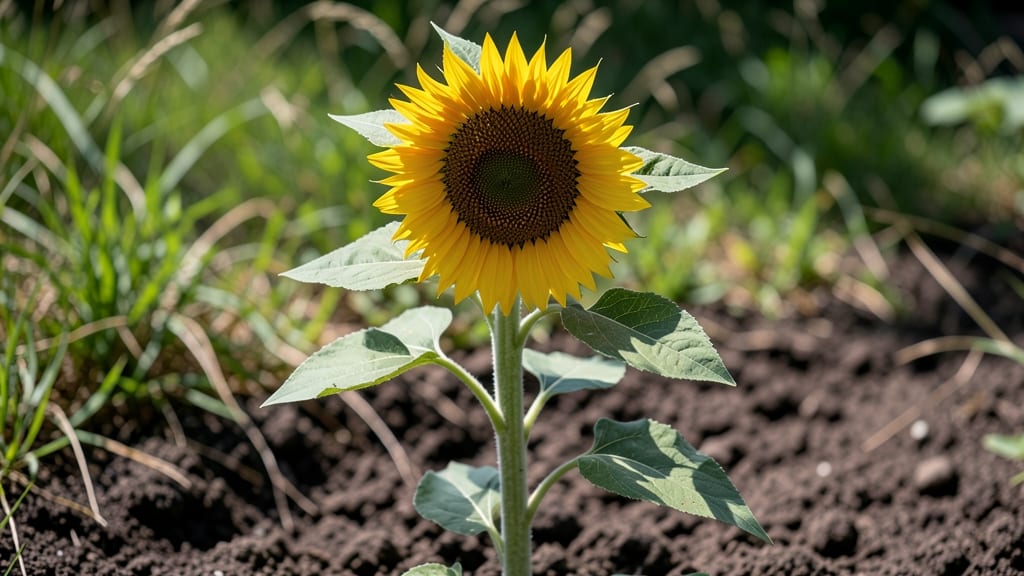
Sunflowers need how much light does a sunflower need to grow tall, strong, and vibrant? The answer is at least 6 to 8 hours of direct sunlight daily—anything less, and you’ll end up with sad, spindly stems that barely hold their own weight.
Picture this: you’ve spent weeks nurturing your seedlings, only to watch them stretch toward the sky like they’re reaching for a distant lightbulb. That’s not just a growth spurt—it’s a cry for help.
Without enough light, sunflowers won’t just fail to bloom; they’ll struggle to stand upright, leaving you with a garden full of floppy disappointment instead of towering beauty.
But here’s the good news: sunflowers are forgiving once you get their light needs right. Whether you’re planting in a sunny backyard or a container on a balcony, knowing the ideal sunlight hours and how to spot signs of light deficiency can make all the difference.
I’ll walk you through the exact conditions your sunflowers crave, plus what to do if your space isn’t exactly full sun.
From choosing the right variety for partial shade to adjusting your garden layout for maximum sunlight, you’ll learn how to give your sunflowers the light they need to thrive—so you can finally enjoy those iconic blooms you’ve been dreaming of.

Optimal sunlight hours for sunflower growth and blooming
Sunflowers thrive under bright, direct sunlight, but their exact needs vary depending on the variety you're growing.
Giant sunflowers like 'Russian Giant' demand at least 8-10 hours of full sun daily to reach their towering heights, while dwarf varieties like 'Teddy Bear' can tolerate 6-8 hours of sun without sacrificing blooms.
The key difference lies in their photosynthesis efficiency—taller varieties need more energy to fuel their rapid vertical growth.
For peak performance, position your sunflowers in the sunniest spot in your garden, ideally facing south in the Northern Hemisphere. Morning sunlight (6 AM–12 PM) is especially critical because it kickstarts photosynthesis early in the day.
Even a few hours of shade can lead to weak stems and smaller flowers, so prioritize locations with minimal obstructions like trees or buildings.
Here’s how sunlight needs break down by sunflower type, along with seasonal adjustments to keep your plants happy year-round:
| Variety Type | Sunlight Needs | Mature Height | Seasonal Adjustments |
|---|---|---|---|
| Giant (e.g., 'Russian Giant') | 8–10+ hours full sun | 10–16 ft | Extend grow lights in short days (spring/fall) |
| Standard (e.g., 'Moulin Rouge') | 6–8 hours full sun | 6–10 ft | Prune lower buds in shade to redirect energy |
| Dwarf (e.g., 'Teddy Bear') | 5–6 hours full sun | 1–3 ft | Tolerates partial shade in containers |
| All Types | Critical threshold: <4 hours sun | N/A | Move to sunnier spot or use reflectors |
Photosynthesis thresholds are the real deal-breaker for sunflowers. Below 6 hours of direct sunlight, their chlorophyll production slows, leading to pale leaves and stunted growth. Aim for 8+ hours in summer when days are longest, and supplement with grow lights in spring/fall if your location falls short. Even 30 minutes of morning sun can make a difference in preventing etiolation (those sad, stretched stems).
Measuring sunlight accurately is easier than you think. Use a sunlight tracker app to log hours of direct light in your garden spot, or place a white piece of paper where you plan to plant—if it’s fully illuminated by noon, you’re in the clear.
For container growers, rotate pots weekly to ensure even light exposure on all sides, especially for tall varieties that can lean toward the sun.
Seasonal adjustments are key, too. In spring and fall, when daylight shrinks, prioritize south-facing locations or use reflective mulch (like white gravel) to bounce extra light onto stems.
During summer’s longest days, provide afternoon shade for 1–2 hours to prevent leaf scorch, especially in hot climates like USDA Zones 8–10. This balance keeps your sunflowers happy and hydrated without sacrificing their sun-loving nature.
Pro tip: If you’re growing sunflowers in containers or urban gardens, opt for dwarf or semi-dwarf varieties like 'Autumn Beauty' or 'ProCut'. These adapt better to partial shade (4–6 hours of sun) while still delivering vibrant blooms.
Just be prepared for smaller flowers and shorter stems—a trade-off worth making for city dwellers with limited space.
Remember, sunflowers are heliotropic, meaning their buds follow the sun’s path from east to west. This natural behavior is a dead giveaway that they’re thriving in full sun.
If your plants aren’t tracking the sun or their buds stay closed, it’s time to reassess their light conditions or relocate them to a sunnier spot.
For the best results, combine optimal sunlight with consistent watering and nutrient-rich soil. Sunflowers are heavy feeders, so amend your soil with compost or a balanced fertilizer (like 5-10-10) at planting time.
With the right light and care, you’ll be rewarded with sunflowers that rival the Eiffel Tower in height and charm—or at least your local record!
🌻
Signs your sunflowers aren’t getting enough light (and how to fix it)
Sunflowers stretched toward the sky with long, spindly stems and tiny buds? That’s a classic sign of light deprivation. When sunflowers don’t get enough sunlight, they prioritize reaching for light over producing energy for blooms. This condition, called etiolation, weakens your plants and reduces their iconic beauty.
Even if your sunflowers are growing, pale yellow leaves or delayed flowering can mean they’re struggling. Without adequate light, photosynthesis slows, leaving your plants with less energy to grow strong stems or vibrant flowers. Identifying these signs early can save your sunflowers from becoming a shadow of their sun-loving potential.
⚠️ How Much Light Do Sunflowers Need?
Sunflowers thrive with 6-8+ hours of direct sunlight daily. Anything less than 6 hours risks etiolation, weak stems, and poor blooming. In partial shade (3-6 hours), growth slows, and flowers may never fully open. For full shade (<3 hours), sunflowers often fail to bloom entirely.
One of the first visual warnings is leggy growth—stems that stretch excessively while leaves grow sparse. This happens as your sunflowers bend toward any available light source, like a window or nearby taller plants.
Check the direction your sunflowers are leaning; if they’re all growing toward one side, that’s your clue to relocate them.
For indoor sunflowers or those in shaded gardens, consider supplemental grow lights. LED grow lights with a full-spectrum range (400-700nm) mimic sunlight effectively. Place lights 6-12 inches above the plants and provide 12-16 hours of light daily to compensate for natural light deficits.
This mimics a long summer day and encourages healthier growth.
If you’re growing sunflowers in containers or urban balconies, rotate them every few days to ensure even light exposure. Sunflowers naturally grow toward the sun, so uneven light can cause them to lean or grow crooked.
A simple 180-degree rotation every 2-3 days keeps stems straight and maximizes light absorption across all leaves.
Don’t overlook the soil and nutrients either—sunflowers need well-draining soil rich in phosphorus and potassium to support their rapid growth. If your sunflowers are struggling with light, they’ll also benefit from a balanced fertilizer (5-10-10) applied every 4-6 weeks.
This gives them the extra boost they need to recover from light stress and produce those show-stopping blooms.