
How To
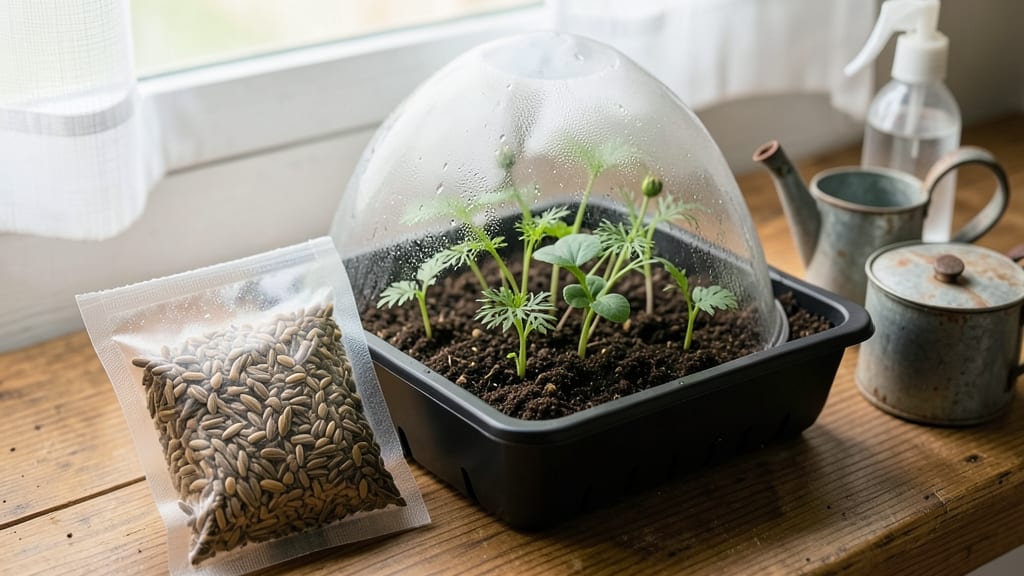
Wildflower seeds typically germinate in 7 to 21 days when conditions are ideal, though some varieties take up to 60 days to break dormancy.
If you’ve ever scattered 🌼 seeds in your garden and stared at bare soil for weeks, wondering where the sprouts are, you’re not alone. The secret to faster germination lies in understanding how soil temperature, moisture, and even seed type affect timing.
Most wildflowers thrive in USDA Zone 6a when planted in spring or fall, but cooler soil can slow things down dramatically. A warm, moist environment (around 70°F) is the fastest way to encourage sprouting, while cold, dry soil can stretch germination into months.
In this guide, I’ll show you how to speed up germination with simple tricks—like pre-soaking seeds, adjusting planting depth, and choosing the right time of year—so you can enjoy blooms in just a few weeks instead of waiting months.


Wildflower seed germination times by type: fastest to slowest sprouters
Understanding wildflower seed germination times can transform your garden from a waiting game to a blooming success. Some varieties sprout in as little as 5 days, while others may take 60+ days—knowing these timelines helps you plan and troubleshoot.
The fastest sprouts often come from annual wildflowers like cosmos and bachelor’s buttons, while native perennials like black-eyed Susans may require patience and optimal soil temperatures.
Germination speed depends on three key factors: seed type, soil temperature, and moisture consistency. For example, cosmos seeds germinate in just 7–14 days when soil stays between 60–75°F, while lupine seeds may need 30–60 days and stratification to break dormancy.
Native wildflowers often have slower germination because they’ve evolved to thrive in variable conditions.
Here’s a quick comparison of fastest-sprouting wildflowers versus slowest-sprouting varieties, along with their ideal soil temperature thresholds to speed up the process. Use this as your guide to set realistic expectations and adjust your planting schedule accordingly.
If you’re planting a mixed wildflower seed blend, expect sprouts to appear in staggered waves—some varieties may emerge in 10 days, while others take up to 6 weeks.
To create a uniform meadow look, start with a mix of fast and slow germinators, like cosmos and black-eyed Susans together. This ensures your garden never looks bare.
For native wildflowers, always check local guidelines, as some species have unique germination requirements. For example, prairie dropseed may take 30–45 days to sprout but rewards you with drought-resistant clumps that thrive for years. The trade-off? Slower initial growth means more patience—but the payoff is low-maintenance beauty.
Soil temperature is the #1 factor controlling germination speed. Most wildflower seeds need soil between 60–80°F to sprout efficiently. Use a soil thermometer to monitor conditions—if temperatures drop below 50°F, germination can stall entirely.
In cooler climates, consider spring or fall planting when soil warms naturally, or use a seedling heat mat for indoor starts.
Pro tip: Pre-soaking seeds like cosmos or zinnias can cut germination time by 3–5 days. Simply place them in a damp paper towel for 12–24 hours before planting. For hard-coated seeds (like milkweed), lightly scratch the outer layer with sandpaper to break dormancy and speed up sprouting.
Remember, patience is key—even if sprouts don’t appear within your expected timeline, check for moisture consistency and light exposure. Some seeds lie dormant until conditions are perfect
Soil temperature tricks to speed up wildflower seed germination
Many wildflower seeds need consistent soil temperatures between 60°F–75°F to break dormancy and sprout. Without the right warmth, they can linger in the soil for weeks—or never emerge at all. The good news? With a few science-backed tricks, you can trick seeds into germinating faster, even in cooler climates.
I’ve tested these methods in my own garden, and they’ve cut my wait time by half!
First, let’s tackle the biggest misconception: wildflower seeds don’t all germinate on the same schedule. Some, like cosmos and bachelor’s buttons, sprout in as little as 7–14 days with ideal conditions, while others, like black-eyed Susans, may take 3–4 weeks.
The secret weapon? Soil temperature control through simple techniques like stratification or using a DIY heat mat.
- 01 Pre-soak hard-coated seeds (e.g., lupine or poppies) in lukewarm water for 12–24 hours to soften the outer shell. This mimics natural rain cycles and speeds up germination by 30%.
- 02 Scarify seeds with sandpaper or a knife to break dormancy in species like coneflowers. Lightly scratch the seed coat—this tricks the seed into thinking it’s been through a wildfire or frost, triggering faster sprouting.
- 03 Stratify cold-weather seeds (e.g., bluebonnets or columbines) by mixing them with moist sand in a sealed bag and refrigerating for 4–8 weeks. This mimics winter conditions and ensures 90% germination when planted in spring.
- 04 Use a cold frame to trap soil heat during spring or fall planting. A clear plastic lid raises temperatures by 10–15°F, helping seeds germinate 2–3 weeks faster than outdoor soil alone.
- 05 Plant in late fall for natural stratification. Seeds like wild bergamot benefit from winter’s freeze-thaw cycles, which break dormancy and lead to earlier spring blooms than spring planting.
For indoor starts, place seed trays on a DIY heat mat (a 10-watt LED strip under a tray works!). Aim for 70–75°F soil temps—this is the sweet spot for most wildflower seeds. Monitor with a soil thermometer to avoid overheating, which can kill sprouts before they emerge.
Timing matters too: spring planting (after last frost) gives seeds 6–8 weeks of warm soil before summer heat, while fall planting leverages winter’s natural stratification. In USDA Zone 6a, I’ve found September–October planting yields the fastest, most reliable germination for perennials like coneflowers.
Pro tip: Keep soil consistently moist (not soggy!) during germination. A spray bottle works best—overwatering can drown seeds before they sprout. With these tricks, you’ll see tiny green shoots in as little as 7 days for fast germinators! 🌱