
Propagation
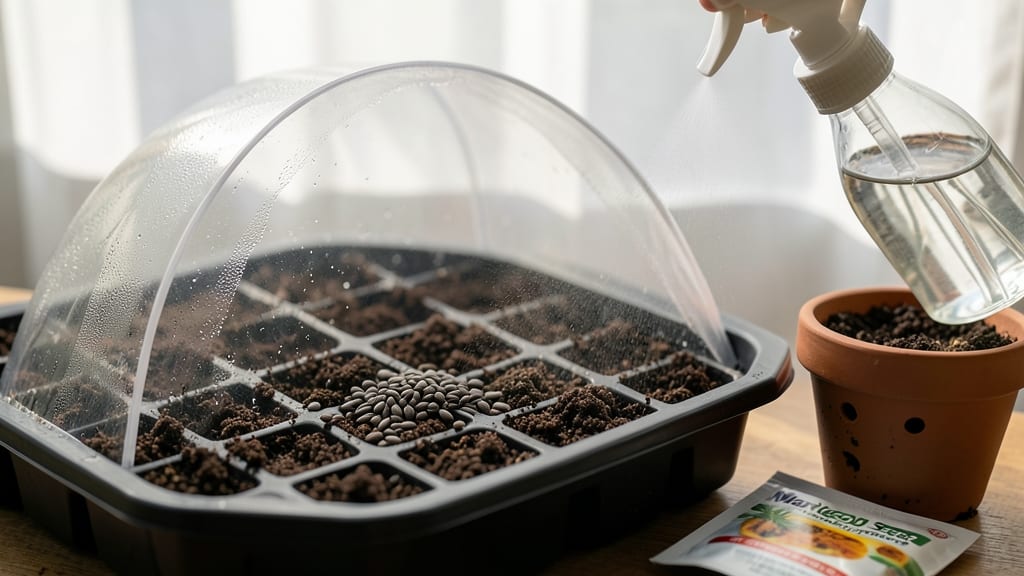
Flower seeds 🌸 take anywhere from 3 days to 6 weeks to germinate, depending on the type and conditions—but knowing the right timing can turn your patience into a thriving garden.
Waiting for those first little sprouts can feel like an eternity, especially when you’ve just planted your favorite blooms. Some seeds, like marigolds, pop up in just 5–10 days, while others, like delphiniums, might take 2–4 weeks to show life.
The difference often comes down to temperature, moisture, and even how deep you planted them.
If you’ve ever wondered why some seeds seem to take forever, it’s usually because of one of three things: the wrong soil warmth, inconsistent moisture, or seeds that need a little extra encouragement.
The good news? With the right setup, you can cut germination time in half—and avoid the frustration of wondering if your seeds are even going to work.
In this guide, I’ll break down the exact germination timelines for popular flowers, share the fastest ways to get them sprouting, and troubleshoot the most common delays. By the end, you’ll know exactly what to expect—and how to make sure your seeds don’t ghost you.


Germination timelines for popular flower seeds by type
Understanding germination timelines helps you plan your garden with confidence. Some flower seeds sprout in just 3-5 days, while others take 3-4 weeks or longer. The difference often comes down to seed type, soil conditions, and environmental factors.
Knowing these timelines lets you adjust your planting schedule and troubleshoot delays before they become problems.
Fast-sprouting seeds like marigolds and zinnia are perfect for impatient gardeners, while slower seeds like delphiniums or foxgloves require patience and ideal conditions. Temperature, moisture, and even seed age play crucial roles.
For example, cosmos seeds germinate quickly in warm soil but may take weeks in cooler temperatures. Let’s break down the timelines for popular flowers so you can set realistic expectations.
Annual flowers like marigolds and cosmos typically germinate faster because they’ve evolved to thrive in short-lived cycles. Their seeds prioritize quick sprouting to take advantage of warm seasons.
In contrast, perennials like delphiniums or foxgloves often have slower germination because they invest energy in establishing deep root systems for long-term survival.
Soil temperature is the single biggest factor affecting germination speed. Most flower seeds need soil temperatures between 65–85°F to sprout efficiently. If your soil is too cold, germination can stretch into weeks or even fail.
For example, petunias and snapdragons may take 3+ weeks in 50°F soil but only 7–10 days in 75°F soil. Use a seedling heat mat if you’re starting seeds early in cool climates.
Moisture consistency is just as critical as temperature. Seeds need even moisture to activate enzymes that break down seed coats. Overwatering can suffocate seeds, while underwatering halts germination. A simple trick?
Place a clear plastic dome over seed trays or use a spray bottle to mist soil lightly. Aim for consistently damp (not soggy) conditions until sprouts appear.
Light exposure also plays a role, though most flower seeds don’t need light to germinate. In fact, some—like lettuce or carrot (not flowers, but worth noting)—require darkness. For flowers, keep seeds in indirect light until they sprout, then move them to bright, indirect light for 1
How to speed up flower seed germination naturally
If you've ever waited weeks for flower seeds to sprout, you know how frustrating it can be. The good news? With a few natural techniques, you can cut germination time by half or more without chemicals or fancy equipment.
I’ve tested these methods with marigolds, zinnias, and snapdragons, and they work like magic—especially in cooler climates where seeds linger.
Germination speed depends on three critical factors: soil temperature, moisture consistency, and light exposure. Most seeds need warmth—between 65°F and 85°F—to activate enzymes that break down stored nutrients.
But even with perfect conditions, some seeds (like delphiniums or foxgloves) can take 3+ weeks to sprout. That’s where these proven shortcuts come in.
- 1
- 2
- 3
- 4
- 5
For extra-fussy seeds, combine methods—like pre-soaking + a heat mat. I once germinated 10-day-old delphinium seeds in just 7 days using this combo. Just remember: consistency is key. Check moisture daily and avoid cold drafts, which can stall growth entirely.
Pro tip: Label your trays with the planting date and seed type. This helps track progress and adjust care. For example, if zinnias (normally 7–14 days) haven’t sprouted in 2 weeks, they may need rehydration or warmer temps.
Patience pays off—once those first tiny green shoots appear, you’ll be hooked on faster germination forever!
🌱