
Blooming
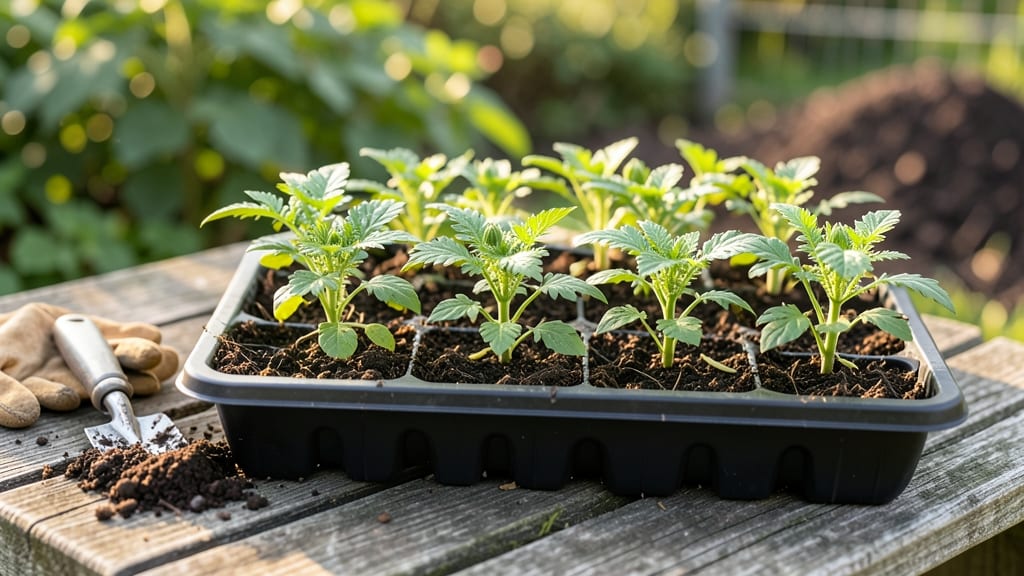
Flowers to sprout takes anywhere from 3 days to 60 days, depending on the type, soil warmth, and even how you prep the seeds.
Waiting for those first green shoots can feel like an eternity—especially when you’re eager to see vibrant blooms transform your garden. But timing varies wildly depending on the plant, soil conditions, and even light exposure.
Some fast-growing annuals like marigolds pop up in just 5-14 days, while perennials like peonies can take 30-60 days or more to break through the soil. The good news? With the right conditions, you can shave weeks off that wait time.
In this guide, I’ll break down the sprouting timelines for popular flowers, share pro tips to speed up germination, and help you plan your garden like a pro.
Flower sprouting time by plant type: fastest to slowest bloomers
If you’ve ever stared at a seed packet wondering, "How long until I see those bright blooms?" you’re not alone. Some flowers burst from the soil in just days, while others take weeks to show their first green shoots.
The difference often comes down to whether you’re growing annuals, perennials, or biennials. Let’s break down the fastest sprouters to the patient bloomers so you can plan your garden like a pro.
Fast-growing flowers like marigolds and zinnia can sprout in as little as 5-14 days under ideal conditions, while peony seeds might take 30-60 days or longer. The key? Understanding your plant’s germination needs—whether it’s warmth, moisture, or just a little patience.
Below, we’ve categorized the most popular flowers by sprouting speed, along with the perfect conditions to coax them out of dormancy faster.
Annuals like marigolds and sunflowers top the chart for speed, often sprouting in just 5-14 days when kept warm and moist. These fast growers thrive in full sun and well-draining soil, making them perfect for impatient gardeners.
Just plant them 1/4 inch deep and keep the soil consistently damp until germination. Overwatering can drown these seeds, so aim for moist but not soggy conditions.
If you’re growing biennials like foxglove or hollyhock, expect a slightly longer wait—typically 28-45 days. These plants often need cooler temperatures (around 55-65°F) to germinate successfully.
A trick I use is to pre-chill the seeds for a week before planting to mimic winter conditions and encourage faster sprouting. Partial shade can also help prevent seedling stress during germination.
Perennials like peony and lavender are the slowest bloomers on this list, often taking 30-60 days or more to sprout. The good news? Once established, they’ll reward you with years of blooms.
To speed up germination, soak peony seeds for 24 hours before planting and use a seed-starting mix that’s light and airy. Avoid compacting the soil, as these seeds need good airflow to prevent rot.
Did you know zinnias can sprout in just 7-10 days if given the right conditions? I’ve seen them pop up faster than weeds in my garden when I keep the soil warm and moist.
For slow-sprouting flowers like begonias, try using a heat mat under your seed trays to maintain consistent warmth. This can cut germination time by nearly half, from 35 days down to 21 days.
One common mistake gardeners make is <
5 Surprising factors that speed up (or delay) flower germination
Seed packets promise blooms in 6-8 weeks, but real-world sprouting times can vary by 50% or more. The difference often comes down to five overlooked factors: temperature, moisture, light exposure, soil depth, and even seed age.
Mastering these can turn weeks into days—or stretch months into years. Let’s break down how each factor plays a role in your garden’s success.
For example, marigolds may sprout in 5-7 days with ideal warmth, while peony seeds can take 30-60 days or longer. The same seed batch planted in cool soil might take twice as long as one sown in warm, moist beds.
Understanding these variables lets you accelerate germination or troubleshoot delays before they become permanent setbacks.
Let’s tackle temperature first—this is the most critical factor. Many gardeners assume their climate is ideal, but soil temperature often lags behind air temperature. Use a soil thermometer to check depth (2 inches down).
For cool-season flowers like pansies, aim for 50-60°F. For warm-season bloomers (e.g., cosmos), wait until soil hits 60-70°F.
Moisture is equally tricky. Overwatering causes seeds to rot, while underwatering dries them out. The solution? Use a moisture meter or the finger test: stick your finger 1 inch deep—soil should feel like a wrung-out sponge.
For sandy soil, water lightly daily; for clay soil, water deeply every 2-3 days. Mulch with straw to lock in moisture.
Light exposure often gets overlooked. Some seeds, like larkspur, need darkness to germinate, while others, like nasturtiums, thrive with bright light. Always follow the seed packet’s instructions—if it says "press into soil", skip covering.
For indoor seedlings, place trays under grow lights 12+ hours daily to prevent leggy sprouts.
Finally, seed age is a silent saboteur. Even high-quality seeds lose viability over time. If your snapdragons take 3 weeks to sprout instead of 7-10 days, the seeds may be past their prime.
Buy fresh seeds (1 year old) for the fastest results, or test a few in a paper towel—if they don’t sprout in 7 days, replace them.
By adjusting these five factors, you can halve germination time or rescue stalled seeds. Start with temperature and moisture, then fine-tune light and depth. Soon, your garden will be bursting with vibrant blooms instead of waiting for empty rows. 🌱