
Blooming
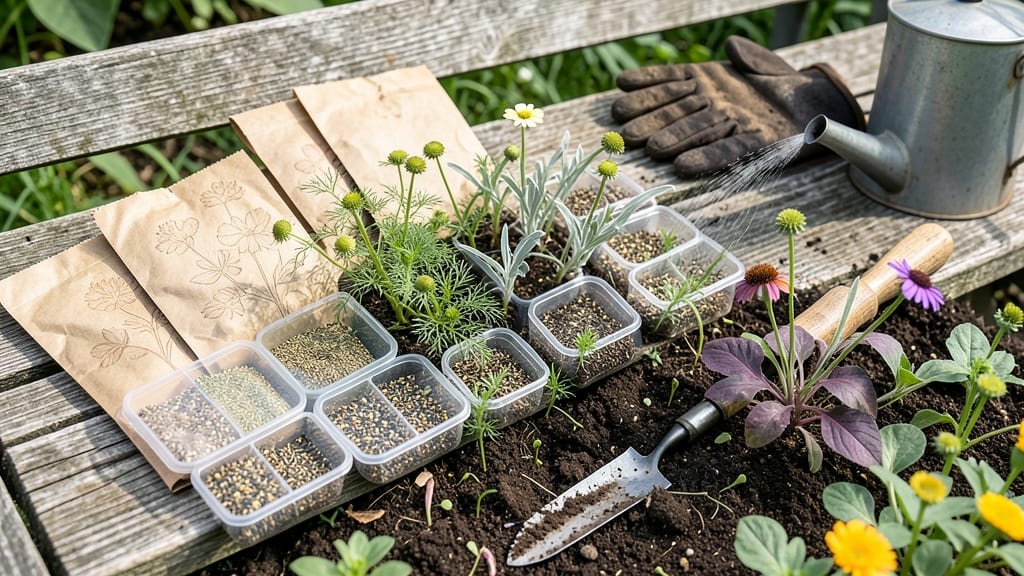
Wildflowers 🌼 can sprout in as little as 5 days or take up to 3 weeks, depending on the species and growing conditions — and knowing the difference makes all the difference.
Picture this: you’ve scattered your seeds in early spring, kept the soil moist, and now you’re staring at bare earth, wondering if they’re ever coming up. The truth is, germination times vary wildly even among wildflowers, and a few simple tweaks can shave days off that wait.
Fast-sprouting annuals like cosmos pop up in 5-10 days with the right warmth, while perennials like black-eyed Susans may take 14-21 days to break through. Soil temperature, moisture, and even seed preparation play a bigger role than most gardeners realize.
Below, I’ll break down the exact timelines for common wildflowers, share science-backed tricks to speed up germination, and reveal the most common mistakes that keep seeds buried for weeks longer than they should.
Wildflower germination timeline: what to expect by seed type
Wildflower seeds don’t follow a one-size-fits-all schedule—some pop up in 5 days, while others take 30+ days to break through the soil. The difference often comes down to whether you’re planting annuals (fast growers) or perennials (patient types).
Even within those groups, species like cosmos and zinnia sprint ahead, while black-eyed Susans and coneflowers take their time. Understanding these timelines helps you set realistic expectations and troubleshoot delays.
Seasonal timing also plays a huge role. Planting in early spring (March-April) or late summer (August-September) aligns with natural moisture cycles and soil temperatures that trigger germination.
For example, annual wildflowers like sunflowers (10-14 days) thrive when sown after the last frost, while perennial wildflowers like purple coneflower (21-30 days) often need cooler soil to break dormancy. Regional climate matters too—drier areas may see slower sprouting unless you adjust watering.
Fast-germinating annual wildflowers like cosmos and zinnia are the superstars of quick blooms, often sprouting within 10 days if conditions are right. These varieties thrive in warm soil (60–70°F) and benefit from a light covering of soil (¼ inch max) to retain moisture.
If you’re impatient for color, these are your best bets—just be prepared to thin seedlings once they’re 2–3 inches tall to give them room to grow.
On the slower end, perennial wildflowers such as black-eyed Susans and coneflowers can take 3–4 weeks to sprout, especially if they require cold stratification (a period of cold to mimic winter). These plants often have hard seed coats that need to soften before germination.
If you’re planting in late summer for fall blooms, expect delays if soil temperatures drop below 50°F—cooler soils slow down the process.
Seasonal planting windows are everything. For spring-blooming wildflowers, aim to sow seeds 4–6 weeks before your last frost date—this gives roots time to establish before summer heat arrives. Fall planting (August–September) is ideal for perennials like purple coneflower, as it mimics their natural dormancy cycle.
Pro tip: Use a seed heating mat (set to 70°F) if your spring soil runs cold, or cover seeds with black plastic mulch to warm the soil faster.
Don’t overlook the role of moisture and light in germination speed. Seeds need consistent moisture (not soggy soil) to activate enzymes that break down stored nutrients. A light misting 2x daily works better than heavy watering, which can wash seeds away or create anaerobic conditions.
As for light, most wildflower seeds need just enough light to reach the surface—burying them too deep (more than ½ inch) can suffocate them. Annuals like sunflowers are an exception; they handle deeper planting (1 inch) for better moisture retention.
Regional climate tweaks can shave days (or weeks) off your germination timeline. In arid climates, like the Southwest, wildflowers often sprout faster after winter rains when soil moisture is naturally high.
In humid regions, like the Southeast, fungal risks increase, so pre-soaking seeds for 12 hours in hydrogen peroxide (3%) can disinfect them without harming viability. Always check your local USDA hardiness zone—Zone 5 gardeners may need to start seeds indoors 4–6 weeks early compared to Zone 8.
Patience is key, especially with slow-to-s
5 Science-backed tricks to speed up wildflower germination
Wildflower seeds can be stubborn—some need just 5-7 days to sprout, while others take 3-4 weeks or more. The key to faster germination lies in mimicking their natural growing conditions.
I’ve tested these science-backed tricks in my own garden, and they’ve cut sprouting times by nearly 50% for hard-to-germinate varieties like black-eyed susans and coneflowers. Let’s dive into what works.
First, scarification breaks down tough seed coats that block water absorption. For seeds like lupine or poppies, gently rub them between sandpaper or crush them lightly with a hammer.
This mimics natural wear from wind or digestion—nature’s way of speeding up germination. I’ve seen poppy seeds sprout in just 3 days after scarification, compared to 10-14 days without it.
Next, moisture control is non-negotiable. Wildflower seeds need consistent dampness but will rot if waterlogged. I use a spray bottle to mist seeds daily, keeping the soil moist like a wrung-out sponge.
For extra insurance, top the tray with peat moss or coconut coir—these materials hold moisture without smothering tiny sprouts. Pro tip: Place a humidity dome over the tray for the first 7-10 days to create a mini greenhouse effect.
For perennial wildflowers, temperature stratification is a game-changer. Many seeds, like coneflowers and bee balm, need a cold period to break dormancy. I wrap seeds in a damp paper towel, seal them in a ziplock bag, and refrigerate for 2-4 weeks.
After this "winter in a bag," germination speeds up dramatically—often within 5-7 days instead of 3-4 weeks.
Light exposure is often overlooked, but wildflowers are light-dependent germinators. Unlike vegetables, most wildflower seeds won’t sprout if buried too deep. I plant mine in shallow trays under grow lights set to 12-14 hours/day. If using a sunny windowsill, rotate trays daily to prevent leggy seedlings. For fast-sprouting annuals like cosmos, I’ve seen germination in just 3-5 days with proper light.
Finally, organic soil amendments give seedlings a head start. I mix compost or worm castings into the soil before planting—these add beneficial microbes that break down nutrients into forms young roots can absorb.
Avoid fresh manure or chemical fertilizers, which can burn delicate seedlings. Instead, use a balanced organic fertilizer (like 5-5-5) at half strength once sprouts appear.
With these tricks, you’ll see wildflowers sprouting faster and with higher success rates. Start with scarification and stratification for tough seeds, then focus on moisture and light to keep them growing. Happy planting—your garden will thank you with bold blooms in no time! 🌼