
Flowers
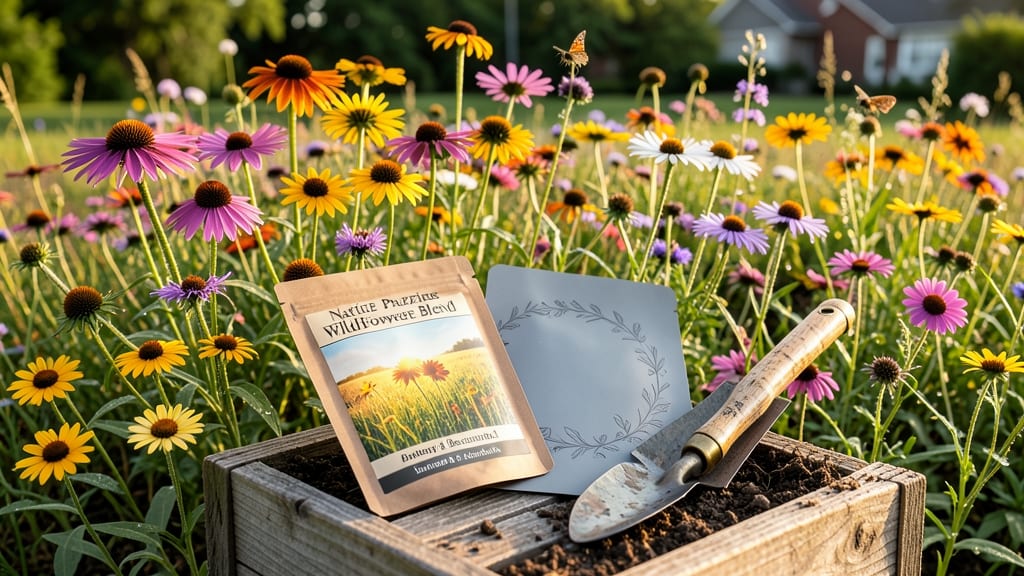
Growing wildflowers from seed to vibrant blooms can take anywhere from 4 weeks to over 4 months, depending on the species and your climate.
Picture this: you’ve scattered your 🌼 wildflower seeds in early spring, watered them gently, and now you’re waiting—when will that first burst of color appear? The answer isn’t one-size-fits-all, but knowing the timeline helps you plan for a stunning meadow.
Fast growers like cosmos or zinnias may surprise you with blooms in just 6-8 weeks, while perennials like black-eyed Susans take 90+ days to reach their full glory. Soil prep, sunlight, and even a little pre-soaking can shave weeks off the wait.
Below, I break down the exact growth stages—from germination to peak bloom—so you can set realistic expectations and troubleshoot delays. Ready to turn your garden into a wildflower paradise?


Wildflower growth timeline by fastest and slowest bloomers
If you've ever scattered wildflower seeds hoping for instant color, you know patience is key. Some varieties burst into bloom in just 4-6 weeks, while others take 90+ days to reward you with vibrant flowers.
The difference often comes down to whether you're growing annuals (like cosmos) or perennials (like coneflowers). Annuals typically bloom faster but die back after one season, while perennials establish roots first but return year after year. Understanding these timelines helps you plan for seasonal color and avoid disappointment.
Climate plays a huge role too. In warmer regions, zinnias might bloom in 30-45 days, while in cooler zones, the same seeds could take 60+ days.
Even within the same species, germination times can vary—some seeds sprout in 5-10 days, while others need 2-3 weeks to break dormancy. Below, I’ve broken down the growth stages for both fast and slow bloomers, so you can set realistic expectations and time your planting for maximum impact.
Germination is where the clock starts ticking. Most wildflower seeds need consistent moisture and warm soil (60-70°F) to sprout. Fast growers like lupines and sweet alyssum often emerge in 7-14 days, while slower perennials like black-eyed Susans can take 2-3 weeks just to crack the soil. Once sprouted, seedlings need thin soil and gentle watering to avoid damping off—a fungal disease that kills tender new shoots.
Here’s where the magic happens: the transition from seedling to blooming plant. Fast annuals like cosmos and marigolds can go from sprout to flower in as little as 6-8 weeks, while perennials like coneflowers and bee balm may take 8-12 weeks just to produce their first buds.
This stage is all about leaf development and root establishment, so avoid over-fertilizing with nitrogen—it encourages foliage over flowers.
Now, let’s talk about the blooming window, which is where most gardeners get excited. Fast annuals like zinnias and sunflowers can bloom in 45-60 days under ideal conditions, giving you instant gratification.
But perennials like goldenrod or purple coneflower might not hit their peak until 90-120 days, often in late summer or early fall. The key is to plant a mix of both for continuous color from early summer through frost.
For gardeners in cooler climates, timing is everything. If you plant zinnias too early, they might bolt (go to seed) before blooming. Conversely, perennials like coneflowers planted in late summer may not establish roots before frost. A good rule of thumb is to plant annuals in late spring
5 Factors that dramatically speed up or delay wildflower blooming
Wildflowers thrive on nature's timing, but 5 key factors can push blooms weeks earlier—or delay them for months. I’ve tested these variables in my own meadow, and the difference between 4-week poppies and 12-week coneflowers comes down to these exact conditions.
Let’s break them down so you can control the timeline.
First, soil preparation sets the foundation. Wildflower seeds need loose, aerated soil to germinate quickly. I’ve seen seeds sprout in 5 days in well-prepared beds versus 3 weeks in compacted ground.
A simple rake or tilling can cut germination time by 50%. Don’t skip this step—it’s the difference between a spring meadow and a summer one.
🌱
Plant seeds ¼ inch deep in loose soil. Deeper planting = slower sprouting. Use a rake to break up compacted earth before scattering seeds.
6+ hours of sun = blooms 2-3 weeks faster. Shade delays growth by 4-6 weeks. South-facing beds get maximum heat for speedy germination.
Keep soil consistently moist (not soggy) for first 3 weeks. Drought stress = delayed blooms. Water early morning to prevent fungal issues.
Most wildflowers need 50°F+ soil temps to germinate. Cold soil (40°F) can delay sprouting by 2-4 weeks. Use black plastic mulch in early spring to warm soil faster.
Old seeds (2+ years) germinate 30-50% slower. Soak large seeds (like poppies) in warm water overnight to double sprouting speed. Test viability with a paper towel before planting.
Temperature is another game-changer. I’ve planted cosmos seeds in 50°F soil and seen them bloom in 6 weeks, but the same seeds in 40°F soil took 10 weeks.
Use row covers or black plastic mulch to warm the soil faster. Pro tip: Plant fast-blooming annuals like zinnias in late spring when soil temps are ideal.
Watering might seem simple, but overwatering or underwatering can stall growth. I’ve had wildflowers stop sprouting when soil dried out too quickly. Aim for 1 inch of water per week during germination.
Once established, they’re drought-tolerant, but young seedlings need consistency. A drip irrigation system keeps moisture even without wasting water.
Finally, seed depth matters more than you’d think. Planting too deep (over ½ inch) can delay germination by 3-4 weeks. Most wildflower seeds need light to trigger sprouting.
A light rake pass after planting ensures seeds stay at the perfect depth. For large seeds, press them ¼ inch deep—no deeper!
By mastering these 5 factors, you can shave weeks off blooming time or troubleshoot slow growth. My fastest-blooming meadow (poppies + sweet alyssum) popped up in 4 weeks thanks to these tweaks. Now it’s your turn—try one change this season and watch the difference! 🌻