
Flowers
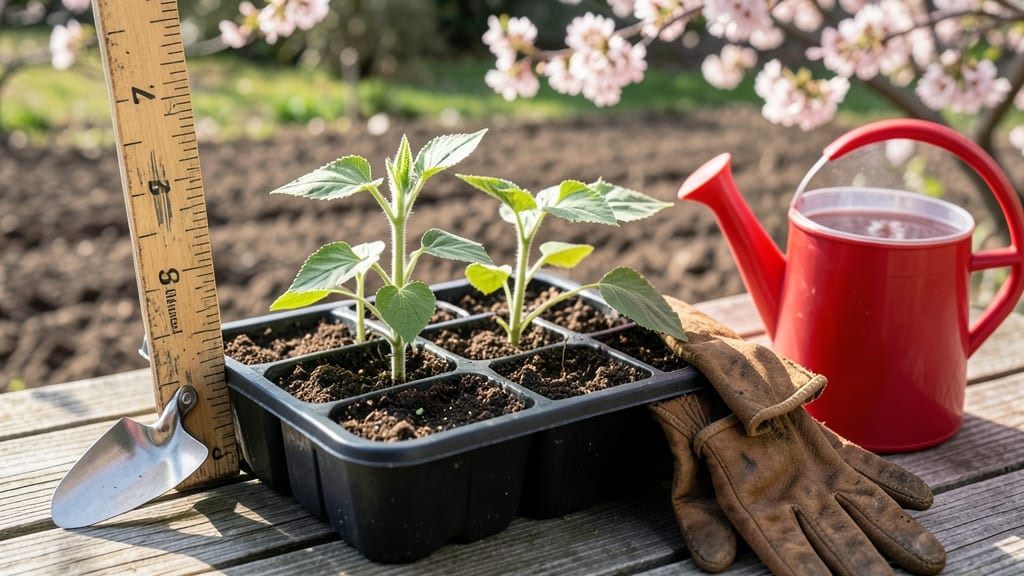
Transplanting sunflowers at the right how deep to transplant sunflowers—about 2 to 3 inches for seedlings—is the difference between a towering 🌻 and a stunted plant.
Sunflowers are a gardener’s pride—but transplanting them wrong can stunt growth or even kill your plants. The secret to strong, thriving sunflowers lies in getting the root depth just right during transplanting.
Most gardeners bury seedlings too deep, thinking more soil equals stronger roots, but that’s a fast track to rot. The key is exposing the stem just enough to encourage upward growth while keeping roots snug in loose, fertile soil.
Below, I’ll walk you through the exact depth for different sunflower types, how to prep the soil, and what to watch for after transplanting to ensure your plants reach their full height.


Ideal sunflower root depth for transplanting: science-backed guidelines
Transplanting sunflowers at the right root depth is the foundation of strong, healthy plants. Unlike many flowers, sunflowers develop deep taproots that anchor them and absorb nutrients efficiently. When you bury them too shallow, their stems weaken, while planting too deep can suffocate the roots and cause rot.
The optimal root depth for sunflowers depends on their maturity stage. For young seedlings, aim for 2-3 inches deep to protect tender roots while allowing the stem to emerge above soil level. Mature transplants with established roots need 4-6 inches of depth to support their towering growth and prevent toppling.
Here’s why depth matters: Properly buried roots improve water absorption and disease resistance by keeping the stem stable. Sunflowers planted too shallow may lean or snap in wind, while those buried too deep risk stem rot from trapped moisture. The key is balancing support and aeration.
Before transplanting, inspect the roots for any damage or circling. Gently tease out tangled roots and trim any broken sections with clean pruners. This step ensures your sunflowers establish quickly and grow straight toward the sun.
| Stage | Root Depth | Stem Position | Why It Matters |
|---|---|---|---|
| Seedlings | 2-3 inches | Above soil line | Protects tender roots, prevents rot |
| Mature Transplants | 4-6 inches | 1-2 inches below soil | Supports height, improves stability |
| All Stages | Avoid burying stem | Keep above ground | Prevents rot, encourages growth |
Prepare your soil by loosening it to a depth of 6-8 inches with a garden fork or tiller. Amend with compost to improve drainage and add nutrients. Sunflowers thrive in loose, well-draining soil that won’t compact around their roots as they grow.
For dwarf varieties, you can transplant slightly shallower (1-2 inches) since their roots won’t grow as deep. However, even these benefit from firm soil around the base to prevent leaning. Use your finger to create a small trench and place the root ball gently into the hole.
After transplanting, water deeply to settle the soil and eliminate air pockets around the roots. Mulch with straw or grass clippings to retain moisture and regulate soil temperature. This step is crucial for sunflowers, which need consistent hydration during their rapid growth phase.
Monitor your sunflowers for the first 7-10 days after transplanting. Yellowing leaves or wilting may indicate root stress from improper depth. If you notice these signs, gently loosen the soil around the base to encourage root expansion.
Remember, sunflowers are resilient, but their long-term health depends on getting the root depth right from the start. With the correct technique, your plants will grow straight and strong, reaching their full potential and turning your garden into a vibrant sunflower paradise.
Step-by-step transplanting process for sunflowers by root depth
Transplanting sunflowers at the right root depth ensures strong stems and vibrant blooms. The key is understanding how deep to bury each variety—whether you're working with giant sunflowers (8+ feet tall) or dwarf varieties (under 3 feet).
Timing matters too: aim for spring after the last frost when soil warms to 50°F+. Let's dive into the precise steps to handle roots and replant correctly.
Before digging, prepare your planting holes by loosening soil to a depth of 12-18 inches. This prevents compaction and encourages root spread. For seedlings, gently remove them from their nursery pots, teasing apart tangled roots with your fingers.
Avoid pulling—never force roots—to prevent breakage. The goal is to replant while maintaining the original root structure as much as possible.
Step-by-Step Transplanting Guide
-
Step 1: Dig the Hole
Use a trowel to create a hole twice as wide as the root ball but only 1-2 inches deeper than the current root depth. Loosen soil at the bottom with your fingers. -
Step 2: Inspect Roots
Gently separate roots if tangled. Trim any circling or damaged roots with clean scissors. Healthy roots should be white or pale yellow. -
Step 3: Position the Plant
Place the seedling in the hole so the top of the root ball sits 1 inch below soil level. For giant varieties, bury slightly deeper (1.5 inches) for stability. -
Step 4: Backfill Soil
Fill the hole with soil, pressing lightly to remove air pockets. Leave a 1-inch gap at the top to settle. For dwarf sunflowers, use 1 inch of soil total. -
Step 5: Water Thoroughly
Water deeply until soil is moist 6 inches down. This helps roots establish quickly. Mulch with 2 inches of straw to retain moisture. -
Step 6: Space Correctly
Giant sunflowers need 12-18 inches between plants. Dwarf varieties thrive with 6-12 inches of spacing to prevent overcrowding.
Timing your transplant is just as critical as depth. Wait until nighttime temperatures stay above 50°F to avoid root shock. In cooler climates (USDA Zones 3-5), transplant in late May or early June.
For warmer zones (6-10), early spring (March-April) works perfectly. Always transplant on a cloudy day to reduce stress from direct sunlight.
After transplanting, monitor your sunflowers closely for the first 7-10 days. Look for signs of stress like yellowing leaves or wilting, which may indicate overwatering or root damage.
If you notice these issues, adjust your care routine immediately. For giant varieties, consider staking early to support their rapid growth.
Pro tip: Mix compost into the soil before replanting to boost nutrient availability. This helps sunflowers recover faster from transplant shock and promotes faster stem growth. Avoid fertilizing immediately after transplanting—wait 2-3 weeks to let roots establish first.
With these steps, your sunflowers will thrive from their first days in the ground. Remember, the right root depth and timing set the stage for healthy, towering blooms all season long. Happy planting! 🌻