
Aphids
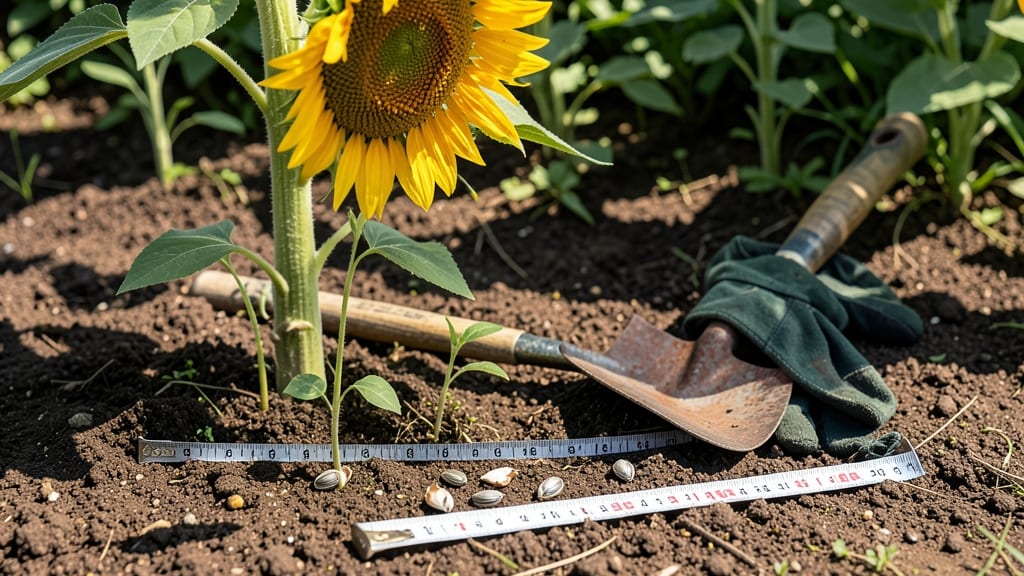
Sunflowers do spread—but not in the way you might think. Their towering stems and bright blooms 🌻 make them look like they’d dominate a garden, but their roots stay surprisingly contained.
Picture this: You plant a single sunflower in your backyard, and by summer, it’s the star of the show. But here’s the catch—those roots aren’t creeping like mint or minting like bamboo. Instead, they grow deep, not wide, which means your garden won’t turn into a sunflower jungle overnight.
Still, if you’re worried about sunflowers taking over, it’s not just about the roots. Self-seeding and wind-dispersed seeds can sneak into unexpected spots, but with the right spacing and a little deadheading, you can keep them in check.
Below, I’ll break down how to manage their spread so you can enjoy their beauty without the chaos.
From root depth secrets to spacing tricks, you’ll learn how to grow sunflowers without sacrificing your garden’s layout. Let’s dive into the details so your sunflowers stay tall, proud, and—most importantly—where you want them.
How deep do sunflower roots spread and what it means for your garden layout
Sunflowers might tower over your garden like skyscrapers, but their root systems don't spread nearly as aggressively as their stems. Most sunflower varieties develop taproots that grow 3-5 feet deep, anchoring them firmly in place while limiting lateral spread.
This means they won’t crowd out neighboring plants like invasive groundcovers or runners.
Contrary to popular belief, sunflowers aren’t aggressive spreaders. Their root depth actually helps them access deep water reserves, reducing competition with shallow-rooted plants. The confusion often stems from self-seeding—dropped seeds germinating the following year—but this is easily managed with simple techniques.
Root spread is minimal, typically staying within a 12-18 inch radius of the plant’s base. This makes them ideal for space-saving gardens, especially when paired with the right companion plants. Understanding this can transform your garden layout from chaotic to intentional.
Here’s how their root depth and spread patterns impact your garden planning:
The minimal lateral spread of sunflower roots means you can plant them just 12-18 inches apart without worrying about overcrowding. This is a game-changer for small-space gardens, where every inch counts. Pair them with shallow-rooted companions like basil or lettuce, which won’t compete for the same resources.
For container gardening, choose dwarf varieties (like 'Teddy Bear' or 'Moulin Rouge'), which stay under 3 feet tall and have even shallower roots. Their compact root zones make them perfect for large pots, allowing you to enjoy sunflowers on patios or balconies without sacrificing space.
If you’re concerned about self-seeding, simply deadhead spent blooms before seeds mature. This prevents unwanted volunteers while keeping your garden neat and controlled. For a more dramatic effect, plant sunflowers in dedicated rows with a mulch barrier to contain dropped seeds.
Sunflowers also make excellent living mulch when planted in clusters. Their deep roots break up compacted soil, improving drainage and aeration for nearby plants. This creates a symbiotic relationship where sunflowers benefit shallow crops while adding vertical interest to your garden.
When planning your garden layout, use sunflowers as focal points rather than filling the entire space. Their tall stature draws the eye upward, creating the illusion of more room. Place them along fences or at the back of beds to maximize vertical space without sacrificing ground coverage.
For urban gardens or community plots, consider succession planting. Start with early-season sunflowers in one corner, then replace them with a second crop in late summer. This keeps your space productive without overcrowding, as the roots won’t interfere with subsequent plantings.
Remember, sunflowers are not invasive—they’re space-efficient giants. With the right spacing and a little planning, you can enjoy their bold beauty without the worry of them taking over.
Their deep roots and minimal spread make them one of the most forgiving plants for both beginners and seasoned gardeners alike.
5 Space-saving sunflower planting strategies to prevent overcrowding
Sunflowers might look like they’ll dominate your garden, but with the right strategies, you can keep them contained without sacrificing their stunning beauty. The key lies in understanding their growth habits and using smart planting techniques to control their spread naturally.
Whether you're working with a small urban plot or a shared community garden, these methods will help you enjoy sunflowers without the chaos.
Sunflowers don’t spread aggressively like some invasive plants, but their seeds can self-sow prolifically if left unchecked. The good news? You can manage their growth through thoughtful planning. By combining companion planting, succession planting, and container gardening, you’ll create a harmonious garden where sunflowers thrive without taking over.
Let’s explore five practical strategies to keep your sunflowers in check while maximizing your space.
- 1. Companion Planting: Pair sunflowers with bush beans or basil to naturally limit their spread. These plants compete for nutrients, reducing the need for sunflowers to self-seed aggressively.
- 2. Succession Planting: Plant sunflowers in small batches every 2 weeks instead of all at once. This prevents overcrowding and gives you control over their growth cycle.
- 3. Deadheading: Remove spent flower heads before they turn brown to stop seed production. This simple step can drastically reduce self-seeding and keep your garden tidy.
- 4. Container Gardening: Grow dwarf varieties like 'Teddy Bear' in pots to limit root spread. Use containers with at least 12-inch depth and place them on a patio or balcony.
- 5. Mulching: Apply a 3-inch layer of mulch around sunflower bases to suppress weeds and prevent volunteer seedlings from sprouting. Use straw or wood chips for best results.
One of the easiest ways to prevent overcrowding is by choosing the right sunflower variety for your space. Dwarf varieties like 'Moulin Rouge' or 'Sunspot' stay compact, making them perfect for small gardens or containers.
These varieties grow only 2-3 feet tall, so they won’t overshadow other plants or take up excessive space. If you love the classic look, opt for semi-dwarf varieties like 'Autumn Beauty,' which reach 5-6 feet tall but still allow for better spacing control.
For urban gardeners or those with limited space, container gardening is a game-changer. Sunflowers thrive in large pots, and you can even grow them on balconies or rooftops. Just ensure your container has adequate drainage and is at least 12 inches deep to accommodate their roots.
Place your containers in a sunny spot, and don’t forget to rotate them occasionally for even growth. This method keeps sunflowers contained while adding vertical interest to your space.
Another effective strategy is succession planting, which involves planting sunflowers in small groups over a few weeks instead of all at once. This approach prevents overcrowding and gives you a longer blooming season. For example, plant half your seeds in early spring and the rest 2-3 weeks later.
As the first batch flowers and seeds, you can harvest or remove them, making room for the next wave of plants. This technique also helps manage self-seeding naturally.
Finally, don’t underestimate the power of mulching and deadheading to keep sunflowers in check. After planting, apply a layer of mulch around the base of your sunflowers to suppress weeds and prevent volunteer seedlings from sprouting.
Once your sunflowers bloom, remove the spent flower heads before they turn brown to stop seed production. This simple step can reduce self-seeding by up to 70%, keeping your garden neat and organized.