
Size
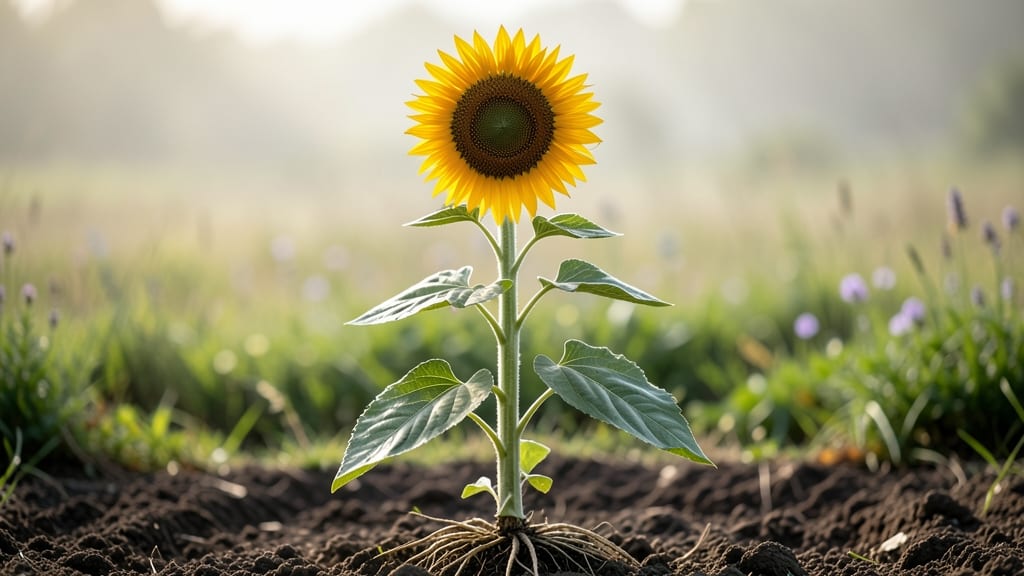
Sunflowers grow to heights that can range from dwarf varieties under 3 feet to towering giants over 14 feet tall, making them the perfect plant to transform your garden’s skyline.
Picture this: a 12-foot sunflower 🌻 standing sentinel over your patio, its blooms attracting bees and birds while casting shade on a hot summer day. But not all sunflowers reach that dramatic height—some stay compact enough for containers, while others need staking to support their weight.
Choosing the right height depends on your space and goals. Dwarf varieties work for small gardens or borders, while standard and giant types create focal points or privacy screens.
Below, I’ll break down how variety, soil, sunlight, and care directly impact how tall your sunflowers grow—and how to encourage (or control) their height for the perfect look.
Whether you’re planning a pollinator-friendly border or a grand centerpiece, knowing these height ranges and growth tips will help you pick the perfect sunflower for your garden’s vision.

Sunflower height by variety: from dwarf to giant growth charts
Choosing the right sunflower variety depends entirely on your garden's size and design goals. Some varieties stay under 4 feet, perfect for containers, while others soar past 14 feet, creating dramatic focal points.
The key difference? Genetics and growing conditions. Heirloom varieties often grow taller but slower, while hybrids may reach maturity faster with consistent height.
Your climate zone also plays a huge role—sunflowers in USDA Zone 7+ can handle taller varieties, while cooler zones may struggle with giants. For example, 'Moulin Rouge' thrives in heat but can flop in windy areas without support.
Let’s break down the height ranges by category so you can pick the perfect fit for your space.
🌻
| Variety Type | Height Range | Growth Rate | Ideal Spacing | Best For |
|---|---|---|---|---|
| Dwarf Varieties | 2–4 ft | 60–75 days | 12–18 inches apart | Containers, borders, pollinator gardens |
| Semi-Dwarf | 5–8 ft | 75–85 days | 2–3 ft apart | Small gardens, cut flowers |
| Standard Varieties | 10–14 ft | 85–100 days | 3–4 ft apart | Backyard focal points, bird feeders |
| Giant Varieties | 14–16+ ft | 100–120 days | 4–6 ft apart | Large landscapes, event displays |
Dwarf varieties like 'Teddy Bear' or 'Pocket Sun' are my go-to for small spaces—they bloom quickly and rarely need staking. Their compact stature makes them ideal for container gardening or edging flower beds. Just remember, even dwarfs need 6+ hours of sun daily to reach their full 2–4 foot potential.
For medium-height sunflowers, 'Moulin Rouge' (6–8 ft) is a crowd-pleaser with its vibrant red petals. These varieties strike a balance between space efficiency and dramatic height, perfect for cut flower arrangements. Space them 2–3 feet apart to prevent overcrowding, which can stunt growth.
Standard varieties like 'Autumn Beauty' (10–14 ft) are the workhorses of sunflower gardens. They thrive in full sun and well-drained soil, making them low-maintenance giants. If you’re planting near a fence or trellis, these varieties will lean naturally—just give them 3–4 feet of space to avoid competition.
Giant sunflowers like 'Russian Giant' or 'Mammoth' can reach 16 feet or taller, but they require rich soil and consistent moisture to support their massive stems. These are best suited for open fields or large backyard gardens.
Without proper support, wind can snap their stems—so stake them early or plant in sheltered locations.
Climate matters too: Southern gardens can handle giants with ease, while northern zones may see slower growth. In cooler areas, opt for early-maturing hybrids like 'ProCut' (10 ft) to ensure they bloom before frost.
Always check your last frost date and plant seeds 1 inch deep after the threat of frost has passed.
Hybrids often outperform heirlooms in height consistency and disease resistance. For example, 'Soraya', a hybrid, grows 8–10 feet with minimal care, while heirloom 'Russian Giant' may fluctuate between 12–16 feet depending on conditions. If you’re after predictable growth, hybrids are the way to go.
Pro tip: Mulch around the base of taller varieties to retain moisture and prevent stem rot. Use straw or wood chips and keep mulch 2–3 inches away from the stem to avoid fungal issues. For giants, consider cattle panels or bamboo stakes for extra support as they grow.
🌱
How sunflower height affects your garden design and pollinator success
Sunflowers aren't just beautiful—they're architectural stars in any garden. Their height variations (from 2-foot dwarfs to 14-foot giants) let you design vertical drama while supporting local ecosystems.
Taller varieties create windbreaks and pollinator highways, while compact types perfect container gardens or edging. The key is matching height to your space and goals.
Tall sunflowers like 'Mammoth' or 'Russian Giant' (10-16 feet) need sturdy stems and deep watering to avoid flopping. Their towering blooms attract bees, butterflies, and birds from miles away, but require wind-resistant planting in exposed areas.
Meanwhile, dwarf varieties (2-4 feet) thrive in small spaces and urban balconies, offering easy access for pollinators.
- Use tall sunflowers (10+ ft) as privacy screens or backdrop plants—their height blocks noise and creates visual privacy.
- Plant medium-height (5-8 ft) varieties in clusters of 3-5 to form natural pollinator corridors between garden sections.
- Dwarf sunflowers (2-4 ft) work perfectly in container gardens or as border edging, keeping pollinators close to ground-level plants.
- For windy areas, space tall varieties 18-24 inches apart and stake them at half their mature height to prevent snapping.
- Taller sunflowers need 1.5x more water than dwarfs—deep water 2-3 times per week during flowering to support their heavy heads.
Height also influences companion planting. Pair tall sunflowers with low-growing herbs like thyme or oregano to create a layered effect. Their deep roots suppress weeds while their broad leaves provide shade for heat-sensitive plants like lettuce.
For pollinators, mix sunflowers with coneflowers or black-eyed Susans—tall varieties act as landing platforms for bees.
Don't overlook seasonal height shifts. Sunflowers grow 2-3 inches per day in ideal conditions, so monitor their progress. If they outpace your design, prune side shoots early to redirect energy to the main stem.
For winter interest, leave dried stalks of tall varieties—they provide bird perches and winter structure in the garden.
Pro tip: Use height to guide pollinators. Plant tall sunflowers near fences or property lines to funnel bees toward your vegetable garden. Their bright yellow blooms act as natural beacons, increasing pollination rates for tomatoes and cucumbers by up to 30%.
Just ensure their water needs are met—drought-stressed plants produce fewer seeds and nectar.
Whether you're designing a cutting garden, a pollinator paradise, or a children's play area, sunflower height is your secret weapon.
Start with one tall variety as a focal point, then layer in medium and dwarf types to create depth and movement that keeps your garden buzzing all season. 🌻