
Flowers
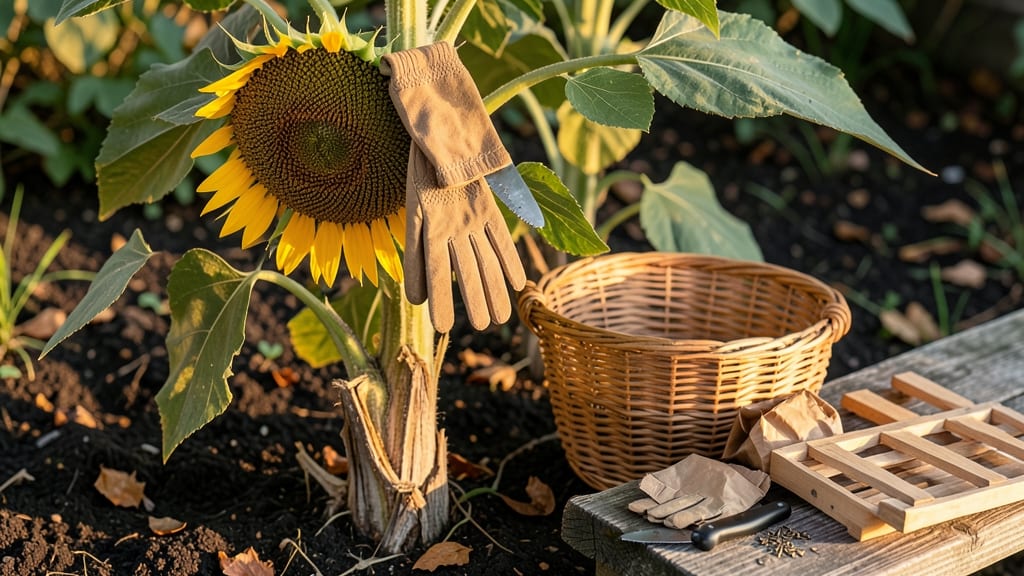
Sunflowers produce seeds after blooming, typically 60 to 120 days depending on the variety and climate — but timing it right means the difference between a bountiful harvest and wasted effort.
Picture this: you’ve nurtured your 🌻 from a tiny seedling, only to watch the flower head dry up before the seeds are ready. That’s why knowing the exact stages — from petal drop to the back-of-the-head turning brown — is the key to success.
In USDA Zone 6, where spring planting kicks off in April, most sunflowers bloom by July and are ready for seed harvest by late summer. But cooler climates or shorter growing seasons can delay this process, so adjusting your expectations (and planting window) is crucial.
Below, I’ll break down the timeline by variety, the visual cues to watch for, and how to tweak your approach based on where you live — so you never miss a harvest again.
Sunflower seed production timeline by variety: from bloom to harvest
Understanding the sunflower seed production timeline is key to unlocking a successful harvest. While all sunflowers follow a similar growth pattern, the exact days to maturity and seed readiness vary dramatically by variety type.
Whether you're growing Mammoth sunflowers for towering beauty or Teddy Bear varieties for compact gardens, timing your harvest correctly ensures plump, flavorful seeds.
The journey from sunflower bloom to seed production typically spans 80-120 days after germination, but this window shifts based on the cultivar. Early varieties like Russian Giant may produce seeds in as little as 60 days, while giant varieties like Mammoth can take up to 140 days.
Knowing these timelines helps you plan your garden layout and avoid frost-related losses.
Visual cues are your best friends when determining seed readiness. The most reliable indicators include the back of the flower head turning brown, petals dropping completely, and a loud rattling sound when you shake the seed head. These signs typically appear 2-4 weeks after full bloom, depending on the variety and growing conditions.
Here’s a quick reference for seed production stages across popular sunflower varieties, including their days to maturity and key readiness markers:
| Variety | Days to Maturity | Bloom Window | Seed Readiness Cues | Harvest Timeframe |
|---|---|---|---|---|
| Russian Giant | 60-70 days | Early July | Back turns brown, seeds rattle | Late July-Early August |
| Teddy Bear | 70-80 days | Mid-July | Petals drop, head dries | Late August |
| Mammoth | 120-140 days | Late July-August | Full brown, loud rattling | October (if frost-free) |
| Autumn Beauty | 85-95 days | Early August | Back yellows, seeds firm | September |
| Sunspot | 55-65 days | Late June | Head fully brown, no green | Late July |
For Russian Giant sunflowers, the fastest producers, you’ll see seeds ready for harvest as early as late July if planted in early spring. These varieties thrive in USDA Zones 4-10 and are ideal for regions with short growing seasons.
The back of the flower head turns a papery brown, and the seeds inside will rattle when shaken—this is your cue to harvest.
If you’re growing Mammoth sunflowers, patience is key. These giants take 120-140 days to reach seed maturity, often blooming in late July or August.
In warmer climates, you might harvest seeds by October, but in cooler regions, you’ll need to protect heads from frost or harvest seeds indoors. Look for fully brown, dry petals and a loud rattling sound—these are unmistakable signs of readiness.
Smaller varieties like Teddy Bear sunflowers offer a compromise, maturing in 70-80 days and producing seeds in late August. Their compact size makes them perfect for containers or small gardens, and their bright petals add a cheerful touch while they produce seeds.
Harvest when the flower head dries completely and the seeds inside feel firm to the touch.
Regardless of variety, avoid harvesting seeds too early. Premature seeds won’t store well and may not germinate properly. Wait until at least 75% of the back of the flower head is brown, and the seeds inside are plump and firm.
Once harvested, dry seeds indoors for 1-2 weeks in a well-ventilated area to ensure they’re fully cured before storage.
Pro tip: Mark your planting dates and track the days to maturity for each variety. This helps you anticipate when to watch for seed readiness cues and adjust your harvest schedule accordingly.
For example, if you plant Russian Giant in early May, expect seeds by late July, while Mammoth planted at the same time may not be ready until October.
With the right variety and timing, your sunflowers will reward you with a bountiful seed harvest that’s perfect for snacking, bird feeders, or saving for next year’s garden. Happy growing! 🌻
Climate zone impact on sunflower seed production: adjusting timing for success
Your USDA hardiness zone plays a critical role in determining when sunflowers produce seeds. In colder zones like 3-5, frost risks delay planting, while warmer zones 9-11 allow extended growing seasons. Understanding these differences helps you adjust planting windows to maximize seed production before first frost arrives.
Sunflowers thrive in warmth and long daylight, so northern gardeners must plant earlier to reach maturity. Southern gardeners can extend planting into late summer for a second harvest. The key is aligning your variety selection with your zone's frost-free days—typically 80-120 days for seed production.
| USDA Zone | Optimal Planting Window | Seed Maturity Window | Frost Risk |
|---|---|---|---|
| 3-5 | Late May - Early June | Late August - Early September | High (late Aug-Sept) |
| 6-8 | Mid-April - Mid-May | July - Mid-September | Moderate (Sept-Oct) |
| 9-11 | February - March or Sept-Oct | April-May or Nov-Dec | Low (rare frost) |
In zones 3-5, I recommend choosing early-maturing varieties like 'Autumn Beauty' (60-70 days) to avoid frost damage. These zones have shorter growing seasons, so starting seeds indoors 4-6 weeks before the last frost date gives them a head start.
For zones 6-8, standard varieties like 'Mammoth' (100-120 days) work well with direct sowing after frost.
Southern gardeners in zones 9-11 enjoy two planting opportunities: spring for summer harvests and fall for winter seeds. In these areas, sunflowers can produce seeds year-round with proper care. However, avoid planting during extreme heat waves, as temperatures above 90°F can stress young plants and delay flowering.
To extend your seed production window, try succession planting in zones 6-11. Sow a second batch 6-8 weeks after your first planting for a staggered harvest. In colder zones, use row covers to protect young plants from late spring frosts, giving them time to establish before summer heat arrives.
Remember that soil temperature matters too—sunflower seeds need soil at least 55°F to germinate. In northern zones, wait until the soil warms before planting, even if air temperatures seem mild. Using a soil thermometer helps track these conditions accurately for perfect timing.