
Blooming
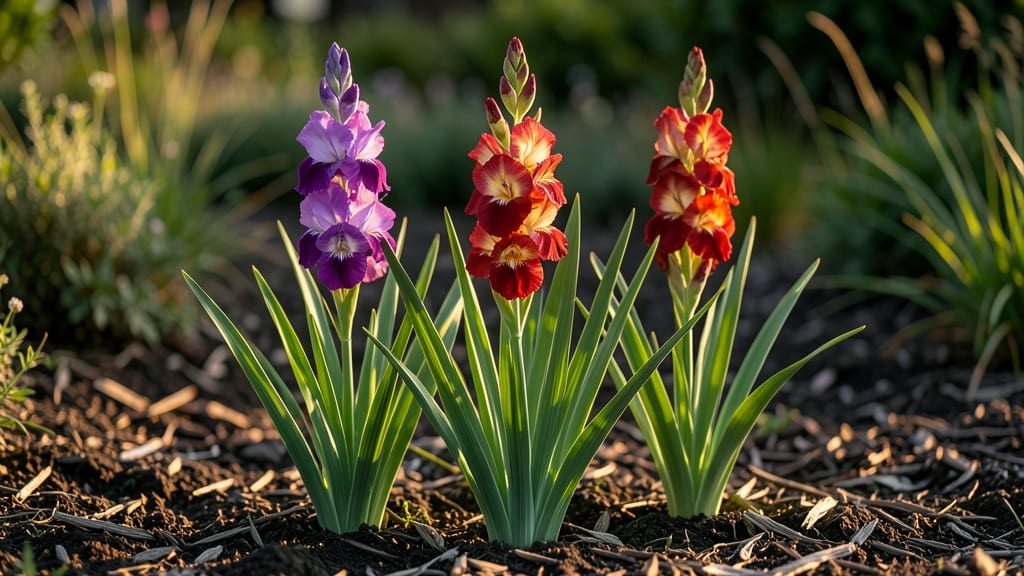
Gladiolus flowering time depends on your hardiness zone, but most varieties burst into dramatic color between July and September in temperate climates—just when your garden needs that summer-to-fall punch.
Want to plan your garden’s most vibrant display? Gladiolus blooms transform landscapes—but timing is everything. Miss the window, and you’ll wait another year for those dramatic spikes of color. Here’s exactly when to expect flowers based on your hardiness zone, plus proven tricks to extend their season.
For example, in Zone 6a, where spring planting kicks off in April, you’ll see buds forming by June and full blooms by mid-July. Warmer zones like 9 push flowering into October, while cooler areas might delay it until August.
The key? Understanding how sunlight and temperature trigger those 🌸 spikes.
Below, I’ll break down the exact months for your zone, how to adjust bloom times with simple techniques, and the common mistakes that keep gladiolus from flowering on schedule—so you can enjoy their show without the wait.
Gladiolus flowering time by USDA hardiness Zone: month-by-month guide
Timing your gladiolus blooms depends entirely on your USDA hardiness zone and the specific variety you choose. These dramatic spike flowers thrive on warmth and daylight, but their bloom windows shift dramatically from Zone 3 to Zone 11.
Understanding these patterns lets you plan for sequential color all season long.
The key trigger for gladiolus flowering is daylight hours combined with soil temperatures above 60°F (15°C). In cooler zones, blooms arrive earlier, while southern climates enjoy extended fall displays. Let’s break down exactly when to expect those showstopping spikes in your region.
| USDA Zone | Early Bloomers | Mid-Season | Late Bloomers | Key Varieties |
|---|---|---|---|---|
| Zones 3-4 | Late June | July-August | Early September | 'Attraction', 'Green Star' |
| Zones 5-6 | Early July | July-August | Mid-September | 'Picasso', 'White Prosperity' |
| Zones 7-8 | Mid-June | June-September | October | 'Black Star', 'Navajo' |
| Zones 9-10 | May-June | June-November | December | 'Pink Parfait', 'Dixie Belle' |
| Zone 11 | April-May | May-December | January | 'Carmen', 'Green Wave' |
Note: Planting times vary by 4-6 weeks before last frost in cooler zones.
In Zones 3-4, where winters are harsh, gladiolus corms need warm soil to trigger blooms. That’s why you’ll see flowers starting as early as late June—the plants rush to bloom before fall frosts arrive. Varieties like 'Attraction' are bred for early season performance in these climates.
By Zones 5-6, the bloom window expands dramatically. Here, you can enjoy gladiolus flowers from July through September, with mid-season varieties like 'Picasso' delivering bold colors for cut arrangements. The longer growing season lets you stagger plantings for continuous blooms.
Southern gardeners in Zones 7-10 have the advantage of extended seasons. In Zone 7, blooms may start as early as mid-June and continue through October, while Zone 10 gardeners can enjoy flowers into November.
The heat-tolerant varieties like 'Black Star' thrive here, producing deep, rich blooms even as temperatures climb.
For Zone 11, gladiolus are nearly year-round performers. With mild winters, you can plant in fall for spring blooms or spring for summer displays. Varieties like 'Carmen' deliver vibrant pinks and reds even in December, making them perfect for holiday gardens.
Daylight length plays a crucial role. Gladiolus are short-day plants, meaning they bloom when daylight hours shorten. In northern zones, this happens in late summer, while southern zones experience it earlier. To extend your bloom season, try planting early, mid, and late varieties simultaneously.
Pro tip: In Zones 5-7, plant corms in late spring (after soil warms) for summer blooms, or in early fall for early next-year flowers. In
How to adjust gladiolus flowering time: 3 proven techniques
Gladiolus flowers thrive on timing—plant them too early or late, and you’ll miss their show-stopping summer displays. The secret? Strategic planting, cold treatment, and variety selection can shift bloom dates by weeks.
Whether you want early summer color or fall blooms, these techniques let you control the calendar. Start with the right planting schedule for your zone, then fine-tune with simple hacks.
Most gardeners plant gladiolus corms in spring after frost, but that locks you into mid-to-late summer blooms (July–August in most zones). To push flowers earlier or later, you’ll need to break the rules—literally.
For example, planting in early spring (March–April) can trigger blooms by June, while fall planting (September–October) extends color into early autumn. The key is understanding how temperature cues and daylight length influence flowering.
⚠️ KEY TAKEAWAY
- Plant in fall for early spring flowers
- Chill corms for 2-3 weeks before planting
- Choose early/late varieties (e.g., 'Green Star' vs. 'Black Star')
First, planting time is your easiest lever. In cool climates (Zones 3–6), aim for late April–May for July–August blooms. But if you want June flowers, plant corms in early April—just as soil reaches 50°F.
In warmer zones (7–11), shift to fall planting (September–October) to avoid summer heat stress and trigger winter/spring blooms. For example, in Zone 9, fall-planted gladiolus often bloom in December–January.
Next, cold treatment tricks gladiolus into thinking winter’s passed. Store corms in a paper bag in your refrigerator’s crisper drawer (not the freezer!) for 2–3 weeks before planting. This mimics natural chilling periods and jump-starts growth.
Test it with a few corms: chilled ones will sprout 10–14 days earlier than unchilled. For late bloomers, skip chilling entirely—plant directly into warm soil to delay flowering until September.
Finally, variety selection gives you the most control. Early bloomers like 'Green Star' or 'Picasso' flower in 60–70 days, while late varieties such as 'Black Star' take 90+ days. Mix both in your garden for a 3-month bloom window.
Pro growers also use successive planting: stagger corms every 2 weeks to create a continuous display. For instance, plant 1/3 of your corms in May, another 1/3 in June, and the last 1/3 in July—this ensures blooms from July through September.
Remember: gladiolus love full sun and well-draining soil. If you’re adjusting bloom times, keep these basics in check—otherwise, even the best timing tricks won’t work.
Start with one technique this season (like chilling corms or choosing early varieties), then expand your strategy next year for a garden that blooms on your schedule. 🌸