
Flowers
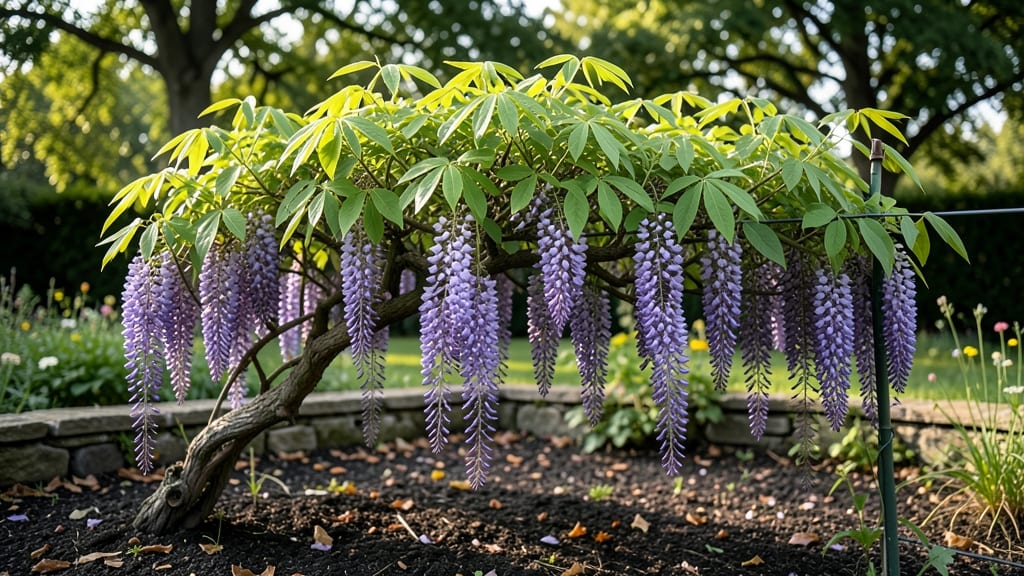
Timing wisteria’s flower time 🌸 is the secret to those show-stopping cascades of purple, pink, or white blooms that turn heads every spring.
Picture this: You’ve waited all year for your wisteria to burst into fragrance, only to find sparse buds or no flowers at all. The culprit? Missing the 3-month window between late winter pruning and peak bloom—or planting in the wrong zone.
For gardeners in USDA Zone 6, like me, the difference between a spectacular display and a flop comes down to when you prune, fertilize, and support those hungry vines.
Wisteria flowers thrive in late spring (May–June), but the timing shifts dramatically depending on your climate. In warmer zones, blooms arrive earlier, while cooler regions may see a delayed show.
Even the variety matters: Japanese wisteria often blooms later than its Chinese cousin, and aggressive pruning can push back bloom time by weeks. The good news? With the right adjustments—like strategic cuts and sunlight tweaks—you can coax your vine into flowering earlier and longer than ever.
In this guide, I’ll break down the exact planting and pruning schedule for your zone, plus pro tips to extend those fragrant clusters from a few days to weeks.
Whether you’re battling a late frost or a vine that’s too eager to climb but refuses to flower, you’ll learn how to turn your wisteria into the star of your garden—every single spring.
Wisteria flowering seasons by USDA zone: when blooms peak & what to expect
Wisteria's fragrant, cascading blooms transform any garden into a romantic retreat—but timing is everything. Unlike many plants, wisteria flowers on old wood, meaning last year's growth produces this year's show. Your USDA zone determines when those buds burst open, with cooler northern zones blooming earlier than warmer southern climates.
Understanding these patterns helps you time pruning, fertilizing, and support adjustments for maximum impact.
Most wisteria varieties bloom in late spring, but the exact window shifts by 1-3 weeks depending on your zone. In Zone 5, expect flowers to appear as early as mid-April, while Zone 9 gardeners may not see blooms until late May or June.
These differences matter because late frosts can damage delicate flowers, and summer heat may shorten bloom duration in warmer regions.
| USDA Zone | First Flowers | Peak Bloom | Bloom Duration | Care Adjustment |
|---|---|---|---|---|
| Zone 5 | Mid-April | Early May | 3-4 weeks | Prune after frost risk passes |
| Zone 6 | Late April | Mid-May | 4 weeks | Fertilize in early spring |
| Zone 7 | Early May | Late May | 4-5 weeks | Increase watering in summer |
| Zone 8 | Late May | Early June | 3-4 weeks | Provide afternoon shade |
| Zone 9 | Late May-June | Mid-June | 3 weeks | Prune lightly to avoid heat stress |
🌸 Wisteria Bloom Timeline by Zone
In Zone 5 and 6, wisteria typically blooms earlier than other zones because cooler temperatures trigger bud break. This means you should prune in late winter (February-March) to shape the vine before flowers appear.
In these zones, late frosts are the biggest threat—always monitor your local frost dates and be ready to cover young blooms if frost is forecasted.
Zones 7 through 9 experience later and shorter bloom periods due to warmer winters. Here, the focus shifts to heat management—providing afternoon shade can extend bloom duration by 1-2 weeks.
In Zone 9, some varieties may even produce a second flush of flowers in fall if given proper care. This makes pruning timing critical—never cut back after buds form, or you'll sacrifice next year's blooms.
Wisteria's bloom duration varies by zone, with northern gardens enjoying longer displays (4-5 weeks) compared to southern gardens (3 weeks). To maximize your wisteria's performance, feed in early spring (March-April) with a balanced fertilizer (10-10-10) and water deeply once a week.
In drought-prone zones, consider installing a drip irrigation system to maintain consistent moisture without overwatering.
One common mistake gardeners make is pruning at the wrong time. Since wisteria flowers on old wood, cutting back after buds set will remove next year's blooms. Always prune right after flowering (late spring) to shape the vine and encourage new growth for future blooms.
In Zone 5-6, this means pruning in June-July, while Zone 7-9 gardeners should wait until July-August.
For early bloomers (Zones 5-6), focus on protecting flowers from frost and encouraging strong root growth in early spring. Use mulch around the base to insulate roots and fertilize lightly in March.
In warmer zones (7-9), prioritize shade cloth during peak summer heat and regular pruning to prevent the vine from becoming too dense. Both approaches help extend bloom time and keep your wisteria healthy.
If your wisteria isn't blooming when expected, check these three common issues: insufficient sunlight (6+ hours daily is critical), over-pruning (never cut back more than 1/3 of the vine at once), or poor soil drainage. Amend heavy clay soil with compost or sand to improve aeration, and
Pruning wisteria for perfect flower time: when, how & common mistakes to avoid
Wisteria’s fragrant flower clusters appear on old wood—meaning last year’s growth—so timing your pruning is everything. Cut at the wrong time, and you’ll sacrifice next year’s blooms.
My zone 6 wisteria produces purple cascades in late May if pruned correctly, but one misstep can leave me with bare branches. Let’s fix that.
Pruning happens in three key windows: dormant season (winter), post-bloom (late spring), and summer maintenance. Each serves a purpose—winter cuts control size, spring cuts shape growth, and summer trims keep vines manageable.
Skipping any step risks overgrown vines or no flowers the next season. Here’s how to nail it.
Start with dormant-season pruning in late winter (before buds swell). Remove dead, weak, or crossing branches first—these compete with healthy growth. Then, cut back last year’s growth by 1/3 to 1/2 to encourage new flowering shoots.
For aggressive varieties (like Wisteria floribunda), prune harder; for slow growers (like Wisteria sinensis), be gentler.
After blooms fade in late spring, do a light shaping trim to remove overly long or unruly branches. Never cut back into old wood—this is where next year’s flowers form.
Instead, focus on new growth that’s longer than 12 inches. Use hand pruners for precision; avoid hedge shears, which crush stems. This step keeps vines airy and flower-filled.
Summer maintenance is about containment. Pinch back new shoots to 3-4 leaves to encourage bushier growth. Remove any suckers at the base—these drain energy from flowering.
In zone 7+, watch for heat stress; prune lightly to avoid shocking the plant. Mulch heavily to retain moisture and protect roots during summer pruning.
Common mistakes include pruning too late (after buds set), over-pruning young vines (they need 3-4 years to establish), or ignoring support structures. A 10-foot vine without a trellis becomes a tangled mess.
Use strong arbor frames or obelisks to guide growth. For container wisteria, prune 20% harder to control size—these vines grow 3x faster in pots.
Pro tip: Label cuts with twine or flags if pruning in stages. My zone 6 vine took 2 years to recover from a mispruned summer, but labeling helped me track progress.
Now, I prune in three phases: winter (structure), spring (shape), and summer (maintenance). Consistency is key—stick to this schedule, and your wisteria will reward you with years of fragrant blooms. 🌸✂️🌿