
Flowers
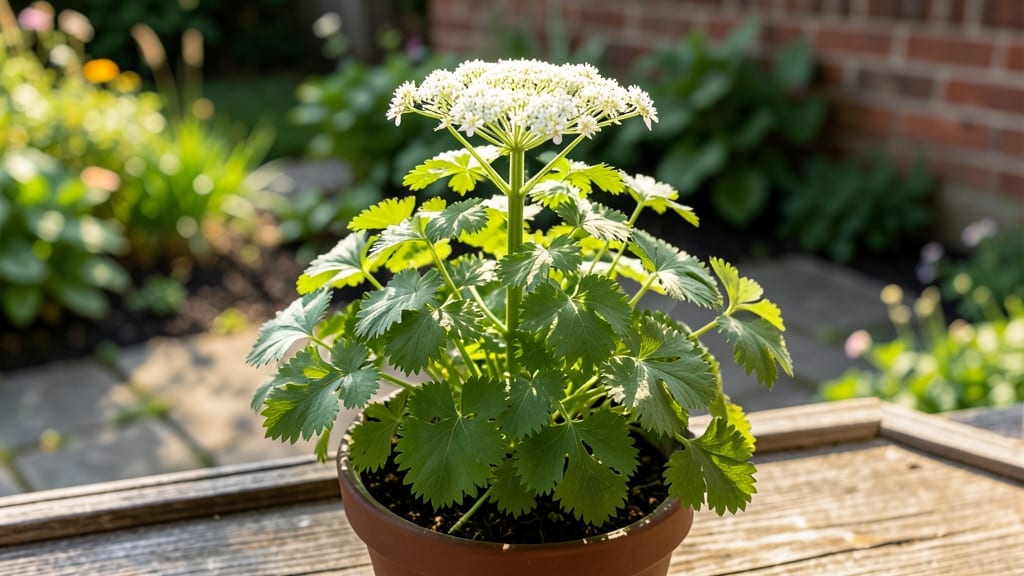
Your cilantro plant’s flowers might seem like a surprise, but they’re actually a natural—and useful—part of its life cycle 🌿.
If you’ve ever pulled up a cilantro plant only to find delicate white or yellow blooms popping up instead of fresh leaves, don’t panic. These flowers aren’t just a sign of bolting; they can also lead to flavorful seeds and even self-seeding for next year’s crop.
Understanding why cilantro flowers helps you work with its growth cycle instead of against it. Heat, age, and even the variety you choose all play a role in when those blossoms appear—and how you can encourage them for a more productive herb garden.
In this guide, you’ll learn how to spot the signs of bolting, how to delay or embrace it, and even how to use those flowers and seeds in your cooking. Let’s turn those blooms into a gardening advantage!


Why does cilantro flower? The science behind bolting and blooming
If you’ve ever grown cilantro only to watch it suddenly sprout delicate white or yellow flowers, you’re not alone. This natural process, called bolting, is the plant’s way of transitioning from leaf production to seed development.
Understanding why it happens helps you manage your herb garden more effectively for both flavor and aesthetics.
Cilantro’s flowering is primarily triggered by environmental stress, including temperature fluctuations and daylight exposure. When exposed to prolonged heat or long daylight hours, the plant shifts its energy from growing leaves to producing flowers and seeds. This shift often occurs when cilantro reaches maturity or encounters stressful conditions.
The biological clock of cilantro is also influenced by its genetic makeup. Some varieties are more prone to bolting than others, especially those bred for seed production rather than leaf harvest. For example, ‘Calypso’ cilantro is known for its slower bolting tendencies, making it a favorite for leaf-focused gardeners.
Heat stress is one of the most common culprits behind premature bolting. When temperatures rise above 75°F (24°C), cilantro’s growth slows, and it begins flowering as a survival mechanism. This is why many gardeners struggle to keep cilantro thriving during summer months in warmer climates.
Another key factor is daylight exposure. Cilantro is sensitive to the length of daylight, and when days grow longer (typically in late spring or early summer), it triggers the flowering process. This is why cilantro planted in spring or fall often produces more leaves before bolting.
Drought stress can also accelerate bolting. When cilantro doesn’t receive consistent moisture levels, it perceives this as a signal to reproduce quickly. Ensuring your plant stays evenly watered can help delay flowering and extend your leaf harvest.
Here’s a quick breakdown of the key factors influencing cilantro’s flowering:
| Factor | Effect on Cilantro | Solution |
|---|---|---|
| Temperature | Bolting at >75°F (24°C) | Plant in cooler months |
| Daylight | Longer days trigger flowers | Use shade cloth in summer |
| Drought | Stress accelerates bolting | Water consistently |
| Genetics | Some varieties bolt faster | Choose slow-bolting types |
| Age | Mature plants flower naturally | Harvest young leaves |
Once cilantro begins flowering, its leaf production slows as the plant redirects energy toward seed development. The flowers themselves are edible and aromatic, often used in garnishes or teas, but they mark the end of the plant’s leaf harvest cycle.
If you’re growing cilantro for its seeds (like coriander), this is a welcome transition.
For gardeners focused on leaf harvests, understanding these triggers helps you delay bolting through strategic planting, consistent care, and variety selection. By managing these factors, you can extend your cilantro’s leafy phase and enjoy fresh herbs for longer.
If you notice your cilantro flowering unexpectedly, don’t panic—it’s a natural part of the plant’s lifecycle. Instead, think of it as an opportunity to harvest seeds for next year’s garden or to enjoy the unique flavor of cilantro flowers in your cooking.
🌱
How to encourage cilantro flowers naturally for better harvests
Encouraging cilantro to flower isn’t just about watching pretty white or yellow blossoms—it’s a strategic way to ensure next year’s crop and even harvest edible seeds.
When managed correctly, these flowers become your garden’s secret to self-sustaining cilantro. The key lies in understanding how to trigger blooming intentionally while maintaining leaf production.
Cilantro naturally bolts (sends up flowering stems) when stressed by heat or drought, but you can control this process by adjusting your growing conditions. For example, planting in cooler months or providing partial shade during summer prevents premature flowering.
Once you’ve got the timing right, the next steps focus on soil health, watering consistency, and even companion plants to support flowering.
Plant in cooler seasons
Choose spring or fall planting to avoid summer heat, which triggers bolting. Aim for USDA Zone 6 planting windows like March-April or September-October.
Use well-draining soil
Amend soil with compost and sand to prevent waterlogging, which stresses roots. pH 6.2-6.8 supports healthy flowering and seed development.
Water deeply but consistently
Water at soil level (not leaves) to avoid fungal issues. Morning watering prevents evening dampness, which can stress plants and trigger early bolting.
Add companion plants
Plant with bush beans or lettuce to improve soil nitrogen and shade roots. Avoid dill, which attracts pests that harm cilantro.
Harvest seeds for replanting
Let 2-3 flowers mature into seed pods, then dry and store seeds. These can be sown next spring for a free, homegrown crop.
Once your cilantro starts flowering, you’ll notice delicate white or yellow blooms that eventually turn into seed pods. These pods are perfect for culinary uses, like adding a citrusy kick to spice blends, or for growing next year’s plants.
To maximize seed yield, allow 2-3 plants to flower fully while harvesting leaves from others.
For longer leaf production, pinch off flowers as they appear. This redirects the plant’s energy back into leaf growth instead of seed development.
However, if you’re aiming for self-seeding, let some flowers go to seed—just be mindful of where they drop, as cilantro can volunteer aggressively in the right conditions.
Companion planting plays a surprising role too. Bush beans and lettuce improve soil quality and provide shade, while marigolds deter pests like aphids that can stress cilantro. Avoid planting near dill or fennel, as they can cross-pollinate and alter cilantro’s flavor.
Finally, don’t overlook the harvesting potential of cilantro flowers. Dried flowers make a fragrant tea or garnish for soups and salads. And if you’re feeling adventurous, the seeds (called coriander) are a staple in global cuisines—from Mexican salsas to Indian curries.