
Light Requirements
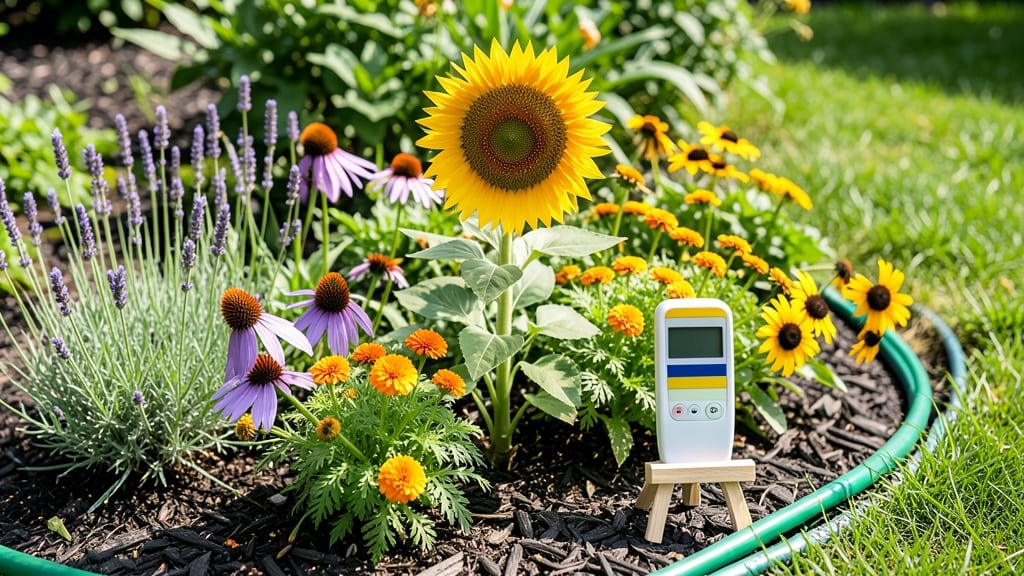
Flowers need sunlight to bloom beautifully, but getting the right amount is the key to avoiding wilted petals and sparse growth.
Struggling to keep your flowers thriving? You’re not alone—too much sun scorches leaves, while too little leaves you with leggy stems and few blooms. The secret lies in matching your flowers’ needs to their light environment, whether that’s a sunny patio or a shady corner of your yard.
From sun-loving marigolds that crave 6+ hours of direct light to delicate impatiens that thrive in 2–4 hours of filtered sunshine, every flower has its own ideal balance. Below, I’ll break down exactly how much light your plants need—and how to adjust their placement for vibrant, long-lasting blooms.
You’ll also discover how to spot sunlight stress (like yellowing leaves or faded petals) and fix it fast, so your garden stays lush all season long.

Sunlight requirements for flowers: full sun vs. partial shade vs. low light explained
Sunlight is the lifeblood of your flowers, but not all blooms thrive under the same conditions. Understanding the three core sunlight categories—full sun, partial shade, and low light—will transform your garden from a struggling patch to a vibrant paradise.
Let’s break down what each category means and which flowers crave them most.
First, let’s clarify the terms: full sun means 6+ hours of direct sunlight daily, while partial shade offers 3-6 hours of sun with filtered light the rest of the day. Low light describes spots with less than 3 hours of direct sun, often under tree canopies or in north-facing areas.
Misjudging these can lead to leaf burn, stunted growth, or fading blooms.
| Sunlight Category | Daily Sunlight Hours | Ideal Flowers | Signs of Stress |
|---|---|---|---|
| Full Sun | 6+ hours | Sunflowers, Lavender, Marigolds, Roses | Yellow/brown leaf edges, wilting |
| Partial Shade | 3-6 hours | Impatiens, Begonias, Coleus, Astilbe | Pale leaves, sparse blooms |
| Low Light | <3 hours | Ferns, Calatheas, Peace Lilies, Hosta | Leggy stems, weak growth |
If your sunflowers or lavender are struggling, they’re likely not getting enough full sun. Look for brown, crispy leaf edges—a classic sign of leaf burn from too much direct sun.
On the flip side, impatiens or coleus wilting in hot afternoons? They’re craving partial shade to protect their delicate foliage.
For low-light spots, avoid sun-loving plants like geraniums or petunias. Instead, opt for shade-tolerant flowers such as hostas or heucheras, which thrive with just 2-3 hours of morning sun. These areas often have cooler, moister soil, perfect for moisture-loving blooms.
Diagnosing sunlight issues starts with observing your plants’ growth patterns. Are leaves stretching toward the light? That’s a leggy growth sign of low light. Are blooms fading quickly?
They might need more shade to prevent overheating. Keep a garden journal to track which spots get sun at what times—this helps you map your garden’s microclimates.
Pro tip: Use a sunlight tracker or app to measure light exposure for a week. Place it near your plants to get real-time data on how much sun each spot receives.
This is especially useful in urban gardens where buildings cast shifting shadows. Adjust your plant placements based on these findings to maximize blooms.
Even partial shade isn’t one-size-fits-all. Morning sun (cooler and gentler) differs from afternoon sun (intense and drying). East-facing gardens get soft morning light, while west-facing spots bake in late-day heat. Position heat-sensitive flowers like begonias on the east side and sun-lovers like zinnias on the west.
Don’t overlook seasonal changes. A spot might offer full sun in summer but only partial shade in winter due to shorter days. Plan accordingly—some annuals (like pansies) handle this shift better than perennials (like daylilies).
Rotate containers or use shade cloth in peak summer to protect sensitive plants.
Remember, container gardening gives you flexibility. Rotate pots quarter-turns weekly to ensure even sunlight exposure. If your balcony flowers are leaning toward the light, it’s time to reposition them. Even a
Top 15 flowers ranked by sunlight needs (from 6+ hours to 2+ hours daily)
Not all flowers thrive under the same sunlight conditions—some bloom best in full sun, while others prefer partial shade or even low light. Matching your flowers to the right light ensures vibrant blooms and healthy growth.
Below, I’ve ranked the top 15 flowers by their sunlight needs, from sun-hungry varieties to shade-tolerant gems.
Understanding these sunlight thresholds helps you avoid common mistakes like leaf burn (too much sun) or leggy growth (too little). For example, marigolds and lavender crave 6+ hours of direct sun, while impatiens and hostas thrive with just 2-4 hours. Let’s dive into the details.
Sunlight Needs Rating
Rating Key: Full bars = ideal conditions. Partial bars = adaptable but may need adjustments.
Here’s my curated list of 15 standout flowers, ranked by their sunlight tolerance. I’ve included growth expectations and care tips to help you pick the perfect match for your garden’s light conditions.
For full-sun lovers like sunflowers and black-eyed Susans, aim for 6+ hours of direct sunlight. These plants reward you with bold blooms and vigorous growth, but they’ll struggle in shady spots.
On the other hand, shade-tolerant flowers like bleeding hearts and foxgloves thrive with just 2-4 hours of filtered light, making them perfect for woodland gardens or north-facing beds.
Pro tip: If your garden has mixed light conditions, opt for adaptable flowers like petunias or coleus, which can handle 4-6 hours of sun but won’t wilt in partial shade.
Always observe your plants’ leaf color and growth pattern—yellowing leaves often signal too much sun, while tall, leggy stems mean they’re reaching for more light.
Ready to transform your garden? Start by assessing your space’s sunlight exposure—use a sunlight tracker or simply observe how light moves across your yard throughout the day. Then, pick flowers that align with those conditions. With the right match, you’ll enjoy lush blooms all season long!