
Landscaping
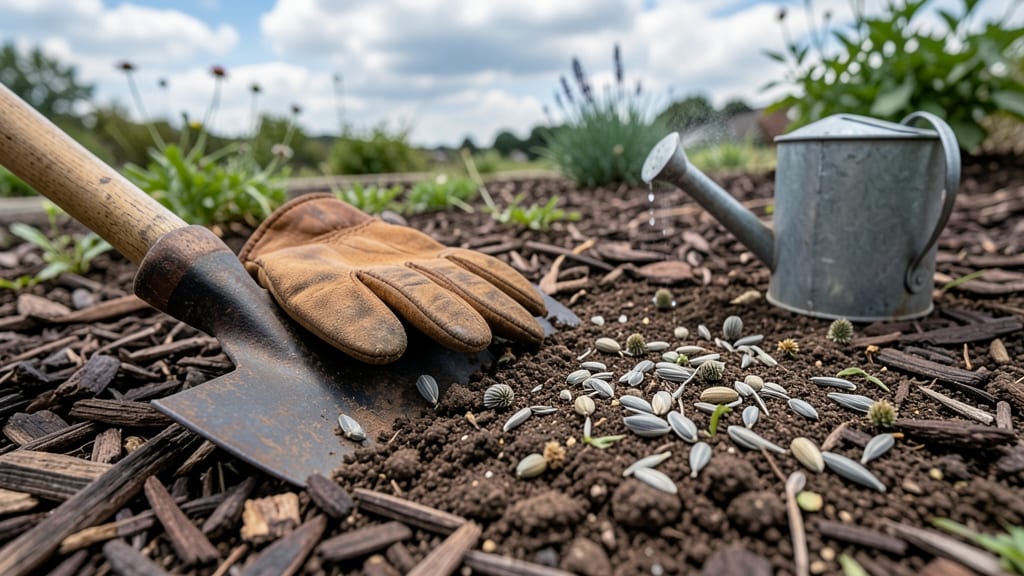
You can put mulch over wildflower seeds—but only if you do it the right way, or you’ll smother those tiny sprouts before they ever see the light.
Picture this: you’ve just scattered your 🌼 wildflower mix seeds in early spring, dreaming of a vibrant meadow. Then you add a thick layer of mulch, thinking it’ll help. But instead of nurturing your flowers, you’ve just buried them alive.
The truth is, wildflower seeds need sunlight to germinate, and too much mulch blocks that light while trapping moisture—perfect conditions for mold or rot. The key is a light touch: just enough to retain moisture without suffocating the seeds.
In this guide, I’ll walk you through the best mulching techniques (and when to skip it entirely) so your wildflowers thrive from the very first sprout.
Why mulching wildflower seeds the wrong way kills germination
Wildflower seeds are delicate, and their germination depends on specific conditions—like light exposure and moisture balance. While mulch might seem helpful, applying it directly over seeds can backfire spectacularly. The problem? Most wildflower species need sunlight to trigger sprouting, and mulch blocks that critical light.
Plus, too much moisture from mulch creates the perfect breeding ground for mold and rot, suffocating seeds before they even break through the soil.
Think of mulch like a cozy blanket—it’s great for established plants, but for seeds, it’s more like a suffocating weight. Wildflowers often have tiny seeds that barely need soil coverage, let alone a thick layer of mulch.
When you smother them, you’re essentially locking them in a dark, damp prison where they can’t get the air and light they need to grow.
Another hidden danger is moisture overload. Mulch traps humidity against the soil, which can drown seeds or encourage fungal growth. Many wildflower species, like black-eyed Susans or coneflowers, thrive in well-draining soil—not soggy conditions. Without proper airflow, seeds may never even wake up from dormancy.
Even if you use organic mulch like straw or wood chips, the decomposition process can raise soil temperatures too quickly, shocking delicate seeds. Wildflowers often germinate best in cooler, stable conditions, not a suddenly heated microclimate.
This is why many gardeners accidentally kill their wildflower patches by piling on mulch right after planting.
⚠️ Mulching Wildflower Seeds: The Silent Killer
Never apply mulch directly over wildflower seeds—it blocks sunlight, traps excess moisture, and creates anaerobic conditions that suffocate seeds. Most wildflowers need minimal soil coverage (often just pressed into the surface) and light to germinate. Instead, use a thin layer of straw (¼ inch max) or skip mulch entirely until seedlings emerge (3-4 weeks post-planting).
Key risks: Mold growth, seed rot, overheating soil, and blocked light for photoblastic species (like coreopsis or lupine).
Wildflower seeds also vary widely in their depth requirements. Some, like poppies, need almost no soil coverage—just a light press into the earth. Others, like sunflowers, tolerate slightly deeper planting.
But mulch adds an extra layer that can bury seeds too deeply, delaying or preventing germination entirely. If you’ve ever scattered seeds and then mulched heavily, you might have accidentally buried them under an inch or more of material—far deeper than they need.
The light penetration issue is especially critical for wildflowers that rely on photoblastic germination. These seeds need sunlight to trigger the chemical reactions that break dormancy. When you cover them with mulch, you’re essentially telling them, “Stay asleep—it’s dark in here!”
This is why even a ¼-inch layer of mulch can reduce germination rates by 30-50% for species like black-eyed Susans or purple coneflowers.
Let’s talk about moisture dynamics for a moment. Mulch is designed to retain water, but wildflower seeds often need consistent but not soggy conditions. Too much moisture from mulch can cause seeds to swell and rot before sprouting.
Imagine planting your seeds in a damp sponge—sounds cozy, but it’s a death sentence for most wildflowers. The goal is to keep the soil moist but not waterlogged, and mulch often tips the scale toward the latter.
Even if you avoid suffocation and moisture issues, mulch can attract weeds that outcompete your wildflowers. Weeds like crabgrass or dandelions thrive in mulched beds and can smother your seedlings before they get a chance to grow.
By the time your wildflowers finally poke through, the weeds might have already won the battle for space and nutrients.
So, what’s the fix? The answer is simple: Wait until seedlings emerge before adding mulch. Once your wildflowers have sprouted and developed their first true leaves (usually 3-4 weeks after planting), you can safely apply a thin layer of mulch (¼ to ½ inch) around them.
This protects young plants without blocking light or trapping excess moisture.
If you’re still unsure, consider alternative seed protection methods, like a lightweight seed blanket or even just a light sprinkle of straw. These options allow light and air to reach the seeds while keeping the soil moist.
Remember, wildflowers are tough once established—but give them the right start, and they’ll reward you with vibrant blooms for years to come. 🌼
The right way to use mulch after wildflower seeds sprout
Once your wildflower seeds finally sprout, you might wonder if mulching can help protect them. The answer is yes—but only if you do it correctly. Applying mulch too early can suffocate tiny seedlings, while the right timing and type can shield them from weeds and retain moisture.
The key is patience and precision.
Wait until your seedlings are 3-4 weeks old and have at least 2-3 sets of true leaves. This ensures their roots are strong enough to push through mulch. Before this stage, focus on keeping the soil lightly moist and weed-free without smothering the delicate sprouts.
Step-by-Step Guide to Mulching Wildflower Seedlings
- 1 Wait for seedlings: Confirm 3-4 weeks have passed and seedlings are 2-3 inches tall with true leaves.
- 2 Choose the right mulch: Use straw (best for airflow) or shredded leaves (avoid wood chips—they can mat down).
- 3 Apply thinly: Spread mulch ¼ to ½ inch thick—any thicker risks trapping moisture and causing rot.
- 4 Avoid direct contact: Keep mulch 1 inch away from seedling stems to prevent stem rot and ensure airflow.
- 5 Monitor moisture: Mulch reduces watering needs, but check soil moisture weekly—wildflowers prefer dry conditions after establishment.
Straw is my top recommendation for wildflowers because it breaks down slowly and won’t smother seedlings like heavier mulches. If using wood chips, opt for fine, shredded varieties that won’t clump. Always fluff the mulch occasionally to prevent compaction, which can suffocate roots.
Remember, wildflowers are drought-tolerant once established, so don’t overdo it with mulch. A light layer is enough to suppress weeds and retain just enough moisture. Over-mulching can lead to fungal issues or even kill seedlings by blocking sunlight.
After mulching, give your seedlings a light watering to settle the mulch and encourage root growth. Avoid heavy watering, which can displace mulch or create puddles that drown tender stems. With the right approach, mulch becomes a protective shield—not a hazard—for your wildflower garden.