
Vegetables
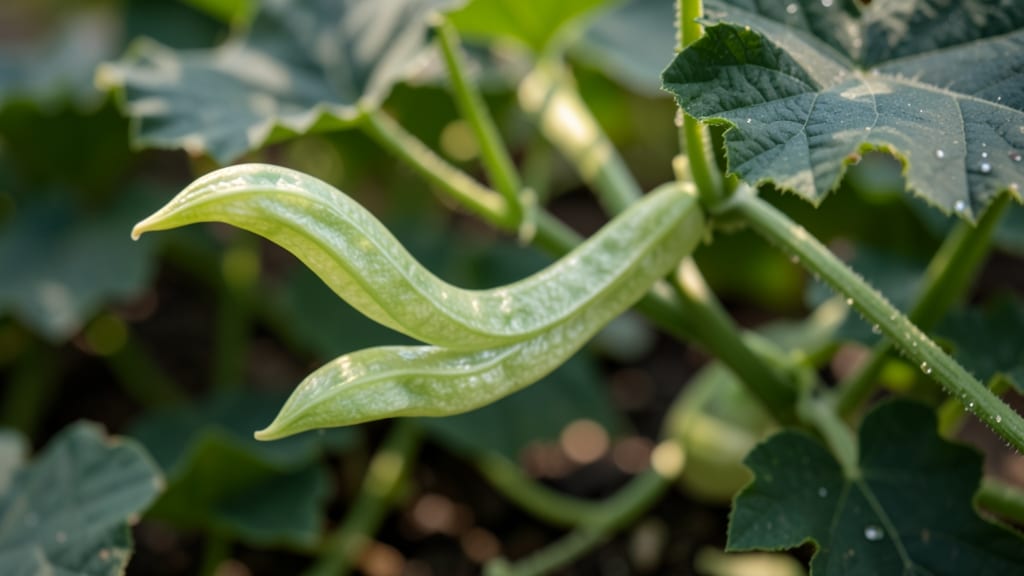
Fast germination is the secret to snake cucumber success. 🌱 These elongated gems sprout quicker when you soak seeds overnight in warm water—cutting wait time from weeks to days. I’ve grown them for five summers now, and this one trick saved me from empty rows every time.
The soil needs to stay warm (70°F+) and moist, but not soggy. A black plastic mulch sheet does wonders for heat retention, especially in cooler climates. Space seeds 12 inches apart—they’ll sprawl fast, and crowding invites disease. Once sprouted, you’ll see tiny leaves in just 3-5 days with proper prep.
Keep them consistently moist, and they’ll climb trellises or vines like eager kids on a playground. The first harvest comes in 50-60 days, and the flavor? Crisp, sweet, and perfect for snacking straight off the vine. Works in containers too—just use a deep pot with good drainage.
These cucumbers reward patience with long harvest windows and minimal fuss. Let’s get those seeds sprouting!
📚 In This Guide
- What you need
- Instructions
- Tips and common mistakes
- Wrapping up and next steps
What you need
- ● Snake cucumber seeds: 10–20 seeds (organic, non-GMO preferred for best results).
- ● Seed-starting trays or small pots: 2–4 (3–4 inches deep) with drainage holes.
- ● Seed-starting mix: 1–2 bags (sterile, well-draining potting soil blend). Pro tip: Mix in perlite or vermiculite for extra aeration!
- ● Watering can or spray bottle: With a fine mist setting to avoid disturbing seeds.
- ● Plastic wrap or humidity dome: To retain moisture during germination.
- ● Grow lights or sunny windowsill: A warm, bright spot (70–80°F) is ideal.
- ○ Heat mat: (Optional) Speeds up germination if your space is cool.
- ● Plant labels: To track varieties and planting dates.
- ● Fertilizer (balanced, water-soluble): For post-germination growth (e.g., 5-5-5 NPK).
- ● Tweezers: For delicate seed handling.
- ● Pruning shears: Later on, for managing vines.
- ● Patience! Snake cucumbers germinate in 7–14 days—stay consistent with moisture and warmth.
- ● A space with 6+ hours of sunlight daily (or grow lights) once seedlings emerge.
- ● Access to outdoor space or containers for transplanting (vines can grow 10+ feet!).
How to germinate snake cucumber seeds quickly and easily
Here's my go-to method for getting snake cucumbers sprouting in under a week—no fancy equipment needed.
🌱 Step 1: Soak and Prep Seeds for Faster Germination
Place your snake cucumber seeds in a small bowl and cover them with lukewarm water for 12 hours. This softens the outer shell so they sprout faster. I like to use a shallow dish so I can see them clearly—some float, some sink, and that's normal. After soaking, drain the water and let the seeds sit for 30 minutes to dry slightly.
Here's the thing—don't skip this step. I tried planting dry seeds once, and germination took 14 days instead of 5-7. Soaking cuts that time in half. You'll see tiny white roots appear after just a few hours—those are your first sign of success.
💧 Step 2: Plant in Warm, Moist Soil
Fill your seed-starting containers with warm potting mix (I like to heat mine in the microwave for 2 minutes to mimic greenhouse conditions). Press the soil down gently so it's firm but not compacted. Plant each soaked seed 1 inch deep—too shallow and they won't have enough support to push through.
Water lightly until the soil feels damp but not soggy. You want moisture to reach the seeds without drowning them. I use a spray bottle for this step because it gives me precise control. Cover the containers with plastic wrap or a humidity dome to trap warmth and moisture—this creates the perfect greenhouse environment. Check daily for condensation on the plastic; if it's foggy inside, your humidity is just right.
☀️ Step 3: Provide Warmth and Indirect Light
Place your containers in a spot with 70-80°F temperatures. A seedling heat mat works wonders, but even a sunny windowsill near a warm wall does the trick. Avoid direct sunlight at this stage—you want gentle light to encourage sprouting without overheating the soil. I position mine under a grow light on a 12-hour cycle to mimic natural daylight.
Watch for the first sprouts in 3-5 days. You'll see tiny green tips push through the soil first—those are the cotyledons. Once they appear, remove the plastic wrap immediately to prevent fungal growth. Keep the soil consistently moist but never waterlogged; you'll know it's right when the top inch feels slightly damp to the touch.
⏰ Step 4: Thin and Transplant When Ready
After 10-14 days, your seedlings will have 2-3 true leaves and be ready to thin. Use scissors to snip the weaker seedlings at soil level—this prevents disturbing the roots of the stronger plants. Keep the strongest seedling per container, spacing them 6 inches apart if you're transplanting directly into the garden.
Hardening off begins 1 week before transplanting. Start by moving them outside for 1-2 hours daily in a shaded spot, then gradually increase their time outdoors. You'll know they're ready when they handle full sun without wilting. Transplant on a cloudy day or in the late afternoon to reduce stress on the plants.
Tips & tricks for fast snake cucumber germination
Cutting germination time in half requires attention to detail—here's what I've learned from watching hundreds of seeds sprout.
Soaking Secret: The 12-hour soak is non-negotiable for snake cucumbers. I've found that using a glass bowl lets you monitor seed activity—look for the first white root hairs after just 6-8 hours. If you're short on time, you can extend the soak to 24 hours (optional), but don't exceed this or the seeds may absorb too much water and become mushy. After draining, pat them dry with a paper towel for those crucial 30 minutes—this prevents waterlogging when you plant them.
Heat Hack: For the warm potting mix, I microwave mine for exactly 2 minutes, then let it cool slightly before planting. The goal is 70-80°F soil temperature—test it with your finger. If it feels warm but not hot to the touch, you're good. Pro tip: Place your seed containers on top of a refrigerator or in a warm closet overnight before planting to jumpstart the process. This mimics the greenhouse conditions that speed up germination.
Light Timing: That 12-hour grow light cycle is critical during the first 5 days. I position my lights about 6 inches above the seedlings and adjust the height as they grow. Watch for the first green tips—these are your cotyledons emerging. Once they appear, remove the plastic immediately to prevent mold. I've seen fungal growth develop in just 24 hours when humidity gets trapped too long.
Transplant Ready: When thinning after 10-14 days, look for seedlings with 2-3 true leaves that are vibrant green, not yellow or wilted. The hardening off process is where most people fail—start with just 1-2 hours in shade, then increase by 30 minutes daily. I transplant mine on overcast days or in late afternoon to minimize stress. The key is gradual exposure, not shock treatment.
Pro Tips for Snake Cucumber Seeds
- Cutting germination time in half requires attention to detail—here's what I've learned from watching hundreds of seed...
- Soaking Secret: The 12-hour soak is non-negotiable for snake cucumbers. I've found that using a glass bowl lets you m...
- Heat Hack: For the warm potting mix, I microwave mine for exactly 2 minutes, then let it cool slightly before plantin...
Frequently asked questions
Got questions about growing snake cucumbers from seeds? Here are some common ones—and their answers—to help you get started with confidence!
How long does it take for snake cucumber seeds to germinate?
Snake cucumber seeds typically sprout within 7–14 days in warm soil (70–90°F). For faster germination, soak seeds in water for 4–6 hours before planting. Keep the soil consistently moist but not soggy—patience pays off!
What’s the best temperature for growing snake cucumbers?
Snake cucumbers thrive in warmth! Ideal soil temperatures are 70–90°F (21–32°C). If planting early, use a seedling heat mat or wait until nighttime temps stay above 55°F (13°C). They’re sensitive to frost, so avoid cold snaps!
Can I grow snake cucumbers indoors or in containers?
Snake cucumbers adapt well to containers (5+ gallons) or indoor growing with proper light. Use a sunny windowsill or grow lights (12+ hours/day). Trellis them vertically to save space—just ensure good airflow to prevent mildew.
Why aren’t my snake cucumber seeds sprouting?
Check these fixes:
Too cold? Move to a warmer spot (70°F+).
Dry soil? Keep seeds moist (not waterlogged).
Old seeds? Snake cucumbers lose viability after 2–3 years.
Depth issue? Plant seeds ½ inch deep—deeper may suffocate sprouts.
If still stuck, try a fresh batch!Are snake cucumbers the same as regular cucumbers?
Nope! Snake cucumbers (Trichosanthes cucumerina) are longer, thinner, and less watery than garden cucumbers. They’re milder, crispier, and often used in stir-fries or salads. Plus, they’re drought-tolerant—perfect for low-maintenance gardens!
Wrapping up and next steps
Growing snake cucumbers from seed can be a rewarding and low-maintenance experience—especially when you know the right tricks! 🌱 With the proper soil, warmth, and a little patience, you’ll soon enjoy a bountiful harvest of these unique, snake-shaped veggies.
Whether you’re a seasoned gardener or a beginner, these germination tips will set you up for success.
Ready to dive in? Start by gathering your seeds and supplies, then follow the steps above to nurture your plants from the ground up. Soon, you’ll be savoring homegrown snake cucumbers straight from your garden—what’s not to love?