
Planting
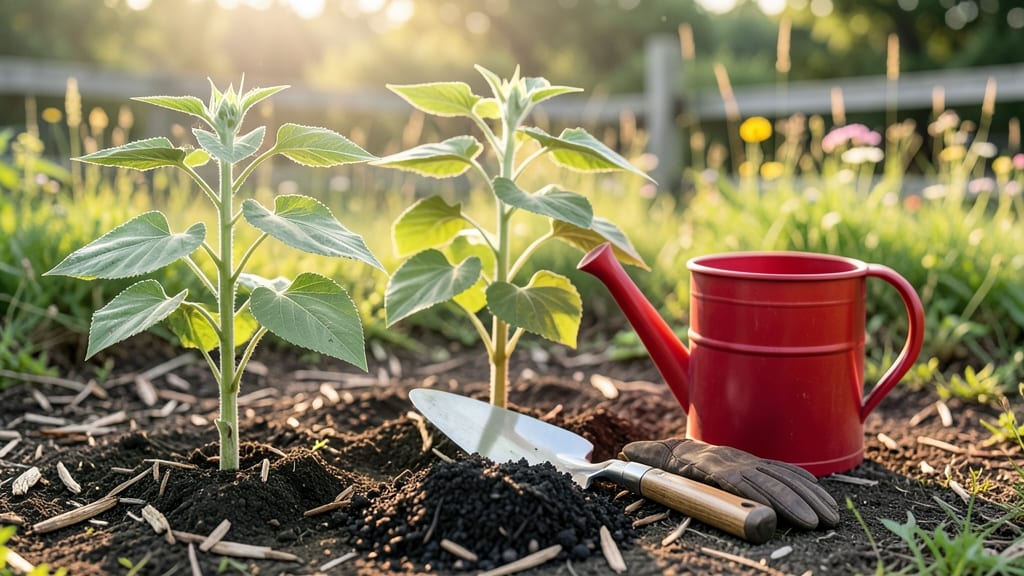
You can plant sunflowers in fall with the right approach, especially in USDA Zone 6a where cooler temperatures and shorter days create ideal conditions for certain varieties.
Picture this: golden 🌻 sunflowers swaying in autumn’s crisp air, their seeds ready for harvest before the first frost. It’s not just a dream—it’s possible with fast-maturing, cold-hardy types like ‘Autumn Beauty’ or ‘Moulin Rouge.’
Fall planting works best when you choose early-blooming sunflowers that mature in 50-60 days, giving them time to grow before winter sets in. The key is timing—plant seeds 6-8 weeks before your first frost (around September in Zone 6a) and protect seedlings with row covers if needed.
In this guide, I’ll walk you through the best varieties, planting tips, and how to avoid common fall pitfalls—so you can enjoy sunflowers well into autumn without the guesswork.


Best sunflower varieties for fall planting: cold-hardy options
Traditional summer sunflowers struggle in fall’s cooler temperatures, often failing to mature before frost. But cold-hardy varieties can thrive in autumn, giving you golden blooms well into October or November. The key is selecting early-maturing or dwarf types with frost resistance—here’s what to look for in seed packets.
Most standard sunflower varieties (like 'Mammoth' or 'Autumn Beauty') need 80-120 days to mature, leaving them vulnerable to early fall frosts. Instead, opt for short-season cultivars with 50-70 day maturity timelines. These varieties prioritize seed development over stem height, making them ideal for late-season planting.
Look for seed packets labeled with these fall-friendly traits:
- Early maturing (50-70 days)
- Dwarf or semi-dwarf (3-6 ft tall)
- Cold-tolerant or frost-resistant
- Short-day varieties (adapt to autumn light cycles)
'Teddy Bear' is my top recommendation for fall—its 60-day maturity and 30°F tolerance make it perfect for Zone 4-7 gardeners. Plant it 8-10 weeks before your first frost date to ensure blooms before winter. For taller varieties like 'Russian Giant', focus on southern regions (Zone 8+) where frost comes later.
Dwarf varieties like 'Sunspot' are ideal for containers or urban gardens because they mature quickly and handle cooler nights better than their towering cousins. Their 2-3 ft stature also makes them less prone to wind damage during fall storms.
Plus, they’re pollinator magnets, attracting bees and butterflies into late autumn.
Avoid standard giant varieties (like 'Mammoth') in fall—they need 120+ days to mature and often bolt too late for harvest. Instead, prioritize short-day varieties, which respond to autumn’s shorter daylight by focusing energy on seed production rather than stem growth. Check seed packets for "short-day" labels.
For northern climates (Zone 3-5), pair cold-hardy varieties with row covers or cold frames to extend the season. Even a lightweight frost blanket can protect seedlings during light frosts (28-32°F).
In Zone 6-7, you can often skip protection if planting after Labor Day, giving flowers time to mature before hard frosts.
Pro tip: Plant seeds 1-2 inches deep in fall—deeper planting helps insulate roots against cool soil temperatures. Space dwarf varieties 12 inches apart and taller types 18-24 inches apart to prevent crowding, which slows growth in short seasons.
Mulch with straw or leaves to retain soil warmth and moisture.
If you’re in a short-season area, consider succession planting every 2-3 weeks in early fall. This staggered approach ensures a continuous harvest of sunflower seeds or blooms.
For example, plant 'Autumn Beauty' on August 15, then again on September 1—the first batch may bloom by late September, while the second yields flowers in October.
Remember: Sunflowers planted in fall won’t survive winter, but they’ll reward you with stunning autumn color
Step-by-step fall planting guide: timing, soil, and care
Fall sunflower planting is absolutely possible if you choose the right varieties and adjust your timing. Unlike summer giants, fall sunflowers need early-maturing types that can reach maturity before first frost.
In USDA Zones 6-8, aim for planting between August 15 and September 15, while cooler zones (5 or below) should plant by mid-August.
Your success hinges on soil temperature—seeds need soil at least 55°F to germinate. Use a soil thermometer to check before planting. For container gardening, use 5-gallon pots with drainage holes to prevent root rot in cooler weather.
✅ Step-by-Step Fall Planting Guide
- Step 1: Test soil temperature—wait until it reaches 55°F+ (use a thermometer or plant when nighttime temps stay above 45°F).
- Step 2: Prepare soil—mix in compost for nutrients and sand for drainage. Aim for pH 6.0-7.0.
- Step 3: Plant seeds—bury 1 inch deep, 6 inches apart. For containers, plant 2 seeds per pot (thin later).
- Step 4: Water deeply—soak soil until 12 inches deep after planting. Morning watering prevents fungal risks.
- Step 5: Mulch heavily—use straw or leaves (3-4 inches) to insulate roots and retain moisture.
- Step 6: Protect from frost—cover seedlings with frost cloth if temps drop below 32°F. Remove during day.
- Step 7: Harvest before frost—pick when back of petals yellows (usually 60-70 days after planting).
For container gardening, choose dwarf varieties like 'Teddy Bear' or 'Moulin Rouge'—they mature in 50-60 days, perfect for short fall seasons. Place pots in full sun (6+ hours) and move them indoors if nighttime temps drop below 40°F.
Adjust your watering schedule—fall sunflowers need bi-weekly deep watering (1-2 gallons per plant) but less frequently than summer. Overwatering in cool weather leads to root rot, so let soil dry slightly between waterings.
Monitor for early frost—if frost threatens before maturity, harvest seed heads and dry them indoors. For extended fall color, leave mature plants as winter interest until stems brown completely.