
Shrubs
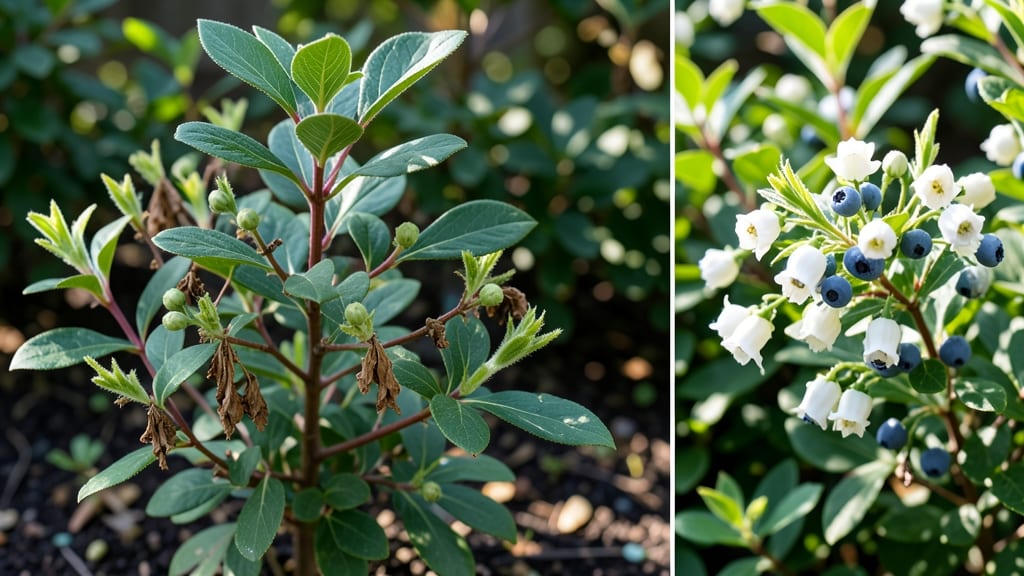
A blueberry bush not flowering is one of the most frustrating gardening puzzles—especially when you’re dreaming of that first juicy harvest.
Picture this: lush green leaves, a thriving shrub, but not a single bloom in sight. Without flowers, those sweet berries won’t appear, and the reason might be simpler than you think.
Whether it’s a soil pH imbalance, improper pruning, or even the bush’s age, there are clear fixes to coax those flowers back.
In this guide, I’ll walk you through the most common reasons your blueberry bush is skipping its flowering phase—and exactly how to adjust care to trigger blooms next season. From testing soil acidity to pruning like a pro, these steps will set your 🫐 bushes up for success.
Ready to turn those leafy stems into a berry-producing powerhouse? Let’s get started.
7 Common reasons your blueberry bush isn’t flowering (and how to fix them)
If your blueberry bush is thriving with lush green leaves but refuses to produce those delicate spring blooms, you’re not alone. Many gardeners face this frustrating issue, often without realizing simple fixes can revive their plant’s flowering potential.
The key lies in understanding the root causes—whether it’s soil pH imbalances, improper pruning, or environmental stressors—and addressing them before next season.
Blueberries are perennial shrubs that typically flower in early spring, but if your bush is skipping this stage, it’s usually a sign of underlying issues. The good news?
Most problems are easily reversible with targeted care. Let’s break down the 7 most common reasons your blueberry bush isn’t flowering—and the exact steps to fix them.
- 1 Age of the Bush: Young bushes (1-2 years old) often skip flowering. Wait until they’re 3+ years old for consistent blooms.
- 2 Incorrect Pruning: Over-pruning or cutting old wood removes next year’s flower buds. Prune in late winter to stimulate new growth.
- 3 Soil pH Too High: Blueberries need acidic soil (pH 4.5-5.5). Test your soil and amend with sulfur or peat moss if it’s alkaline.
- 4 Insufficient Sunlight: 6-8 hours of full sun is critical. Move your bush to a sunnier spot or supplement with grow lights if needed.
- 5 Lack of Nutrients: Apply an acid-loving fertilizer (high in iron and sulfur) in early spring. Avoid over-fertilizing with nitrogen.
- 6 Water Stress: Drought or overwatering can shock the plant. Water deeply 2-3 times per week during growing season.
- 7 Wrong Variety: Some northern vs. southern blueberry types need specific climates. Choose a variety suited to your USDA zone.
Let’s dive deeper into each issue. If your blueberry bush is younger than 3 years old, patience is key—these shrubs often take time to establish before flowering. However, if your bush is mature but still skipping blooms, the problem likely lies in soil conditions or pruning mistakes.
For example, cutting back too aggressively in winter can remove next year’s flower buds, which form on old wood.
One of the most common oversights is soil pH. Blueberries are acid-loving plants, and if your soil is too alkaline (pH above 5.5), the bush will struggle to produce flowers.
A simple DIY soil test (using vinegar and baking soda) can reveal the issue. If the pH is off, amend the soil with elemental sulfur
How to prune a blueberry bush for maximum flower production
Pruning your blueberry bush correctly is the secret to unlocking those plump, juicy berries you crave. If your plant is putting all its energy into leaves instead of flowers, it’s likely due to poor pruning habits—or none at all.
Blueberries thrive when you shape them strategically, removing old wood and encouraging new growth where blooms form. The key is timing, technique, and knowing what to cut (and what to keep!).
Most gardeners make two big mistakes: pruning at the wrong time or cutting too aggressively. Winter pruning (late fall to early spring) focuses on removing dead or weak wood, while summer pruning (after harvest) promotes air circulation and future blooms.
Without this balance, your bush may skip flowering entirely. Let’s fix that with a simple, step-by-step approach tailored to your plant’s needs.
Step-by-Step Pruning Guide for Blueberry Blooms
-
Step 1: Gather Your Tools
Clean, sharp pruning shears (for small branches), loppers (for thicker stems), and gloves to protect your hands. Sterilize tools with rubbing alcohol to prevent disease spread. -
Step 2: Prune in Late Winter (Best Time)
Wait until dormancy (after first frost, before buds swell). Remove dead or diseased wood first—these branches won’t produce flowers. Cut back to the main stem or a healthy bud. -
Step 3: Thin Out Old Canes
Blueberries flower on 1-year-old wood. Keep the 6-8 strongest canes and prune out older, woody stems (over 5 years old). Cut these at the base to encourage new growth. -
Step 4: Shape for Airflow
Open the center of the bush by removing crossing or rubbing branches. This reduces fungal diseases and lets sunlight reach inner buds, where flowers form. -
Step 5: Light Summer Pruning (Post-Harvest)
After harvest, trim overly long or leggy growth to redirect energy to fruit production. Avoid heavy cuts—just shape to maintain an open canopy. -
Step 6: Mulch and Fertilize
Apply 2-3 inches of mulch (pine needles or wood chips) to retain moisture and acidity. Feed with an acid-loving fertilizer (like cottonseed meal) in early spring. -
Step 7: Monitor and Repeat
Check your bush monthly for new growth and flower buds (tiny pink clusters). Adjust pruning in next year’s late winter based on what you see.
Proper pruning isn’t just about cutting—it’s about strategic removal to encourage your blueberry bush to focus on flower production. If you’ve skipped pruning for years, don’t overdo it in one season. Gradual pruning (removing no more than 25% of the plant annually) prevents shock and keeps your bush healthy.
Start with the oldest canes first, as these are the least productive.
One common mistake is pruning too late in spring, which can delay flowering or even remove next year’s flower buds. Always prune before buds swell (late winter) or after harvest (summer). For container-grown blueberries, prune slightly more aggressively to maintain compact growth and prevent root-bound stress. 🌱
Remember, patience is key. A well-pruned blueberry bush may take 1-2 seasons to rebound with full flowering. Pair your pruning efforts with acidic soil (pH 4.5–5.5) and consistent watering to give your plant the best chance for a berry-filled future.
With these steps, you’ll be on your way to a bush bursting with floral potential next spring! ✂️