
Blooming
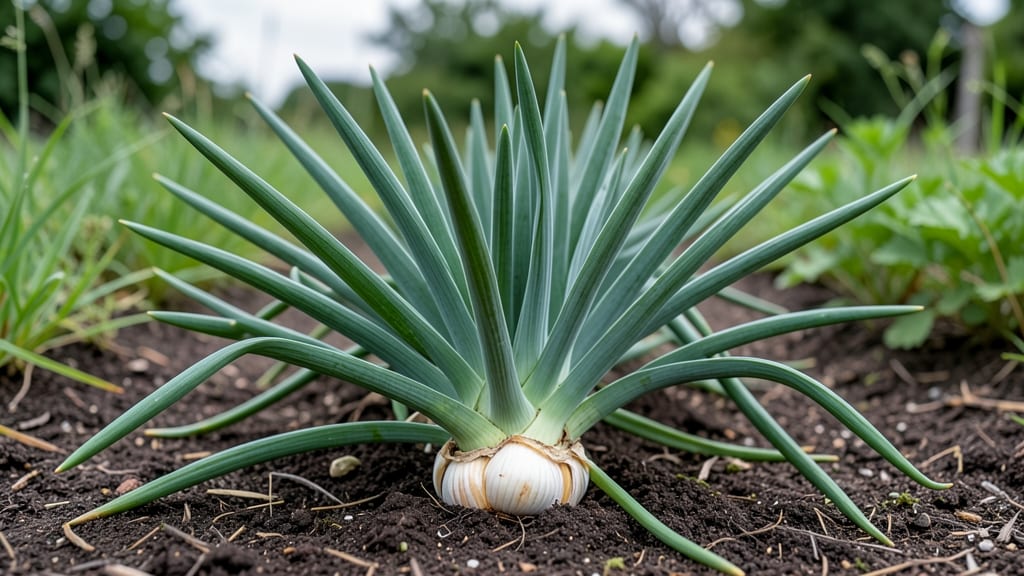
Harvesting allium greens before flowering unlocks their peak flavor and storage potential 🌸 — timing this stage right can mean the difference between vibrant, tender greens and tough, bitter stalks.
Picture this: you’ve nurtured your allium plants all spring, and now the flower spikes are just beginning to swell. That’s your cue to act. Cutting too early wastes potential, while waiting too long turns those tender leaves into chewy, less flavorful stalks.
The window is narrow, but the payoff—longer shelf life and milder greens—is worth it.
In USDA Zone 6a, where spring temperatures linger just long enough to trick you into waiting, the ideal harvest window opens in late May. Look for leaves that are fully developed but haven’t yet started to yellow, and bulbs that feel firm beneath the soil.
These visual cues are your green light to harvest before the plant shifts its energy toward flowering.
Below, I’ll walk you through the exact signs to watch for, the best tools to use for clean cuts, and how to store your harvest so it stays fresh for weeks. No more guessing—just maximum flavor and minimal waste.
Optimal harvesting window for allium greens before flowering
Timing your harvest of allium greens—like scallions, chives, and leeks—right before flowering ensures the best flavor, texture, and storage potential. The pre-flowering stage is when these greens pack the most mild, sweet, and tender qualities, perfect for fresh eating or preserving.
Missing this window means tougher leaves, bitter notes, or even bolting (flowering too early), which can ruin your harvest.
For most allium varieties, the optimal harvesting window occurs when the plants are 4-6 inches tall but show no visible flower buds. This typically happens 60-90 days after planting, depending on your climate zone and growing conditions.
In cooler regions (USDA zones 3-5), this might be early to mid-spring, while warmer zones (6-8) could extend into late spring.
Visual cues are your best friends here. Look for straight, vibrant green leaves with no yellowing or wilting. The base of the plant should still feel firm and compact, and the bulb (if present) should be small but developing.
If you see even a tiny flower bud forming, it’s past the ideal harvest window for greens.
| Allium Type | Ideal Height | Leaf Color | Bulb Development | Harvest Time |
|---|---|---|---|---|
| Scallions (Green Onions) | 4-6 inches | Bright green | Small, firm base | Late spring (May) |
| Chives | 6-8 inches | Deep green | No bulb, clump base | Early summer (June) |
| Leeks (Baby) | 8-12 inches | Dark green tops | Thick, white base | Late spring (May-June) |
| Garlic Chives | 5-7 inches | Light green | Flattened base | Early summer (June) |
Harvesting at the right time also maximizes your plant’s ability to regrow or produce more greens. If you cut too early (when leaves are too small), you won’t get much yield.
But if you wait too long, the leaves become fibrous and bitter, and the plant shifts energy to flowering instead of leaf production.
For continuous harvests, consider the "cut-and-come-again" method. Snip the outer leaves when they reach 6-8 inches tall, leaving the inner leaves to keep growing. This works best for scallions and chives and can extend your harvest season by 4-6 weeks before flowering takes over.
Pay attention to your local climate and frost dates. In regions with short growing seasons, prioritize harvesting allium greens before the first frost (around October 15 in many zones). If frost is imminent, harvest everything immediately, even if the plants aren’t at peak size, to avoid damage.
Pro tip: Morning harvests are ideal because the leaves are crisp and hydrated after a night’s dew. Avoid harvesting in the heat of the day, as this can cause wilting or stress the plant.
Use a sharp pair of scissors or pruning shears to cut leaves 1-2 inches above the base for cleaner regrowth.
Once harvested, rinse and dry the greens thoroughly to remove soil and prevent rot. Store them in a perforated plastic bag in the fridge for up to 10-14 days, or freeze them for longer storage.
Proper timing and handling ensure your allium greens stay fresh, flavorful, and ready for your next recipe.
How to extend storage life of pre-flowering allium harvests
Harvesting allium greens at the pre-flowering stage gives you the best flavor and texture, but proper storage is key to keeping them fresh. The right techniques can extend shelf life from weeks to months, reducing waste and saving money.
Whether you're storing scallions, chives, or leeks, these methods work for all allium varieties.
After harvesting, the first 24 hours are critical. Allium greens should be cured to remove excess moisture, which prevents rot. This simple step mimics natural drying processes and prepares them for long-term storage. Without curing, your harvest may spoil within 3-5 days instead of lasting weeks.
🌱 Key Takeaway: Allium Storage Essentials
| Step | Action | Duration |
|---|---|---|
| 1 | Trim roots and leaves | 5-10 minutes |
| 2 | Cure in shade (not sun) | 4-6 hours |
| 3 | Store in perforated bags | Weeks to months |
| 4 | Use within 3-4 weeks | Optimal freshness |
✅ Pro Tip: Wrap greens in damp paper towels before curing for extra crispness.
For curing, bundle 10-15 stems together and hang them upside down in a cool, dry, shaded area for 4-6 hours. This allows the cut ends to dry while preserving the greens' moisture.
Avoid direct sunlight, as it can cause wilting. Once cured, store them in perforated plastic bags in the refrigerator's crisper drawer.
If you're storing alliums long-term, consider freezing the greens. Chop them into 1-inch pieces and spread them on a tray to freeze individually. Once frozen solid, transfer them to a labeled freezer bag. This method preserves flavor for up to 6 months, making it perfect for winter gardening.
Don't let leftover allium greens go to waste! Use them creatively in pesto, infused oils, or homemade broths. Even wilted greens can be revived by soaking them in ice water for 10 minutes before using. This simple trick brings back crispness and extends their usability.
Monitor your stored alliums regularly for signs of spoilage, like soft spots or mold. If stored properly, they should remain fresh and crisp for 3-4 weeks in the fridge or up to 6 months when frozen.
Proper storage isn't just about saving money—it's about enjoying homegrown flavor all year round! 🌿