
Blooming
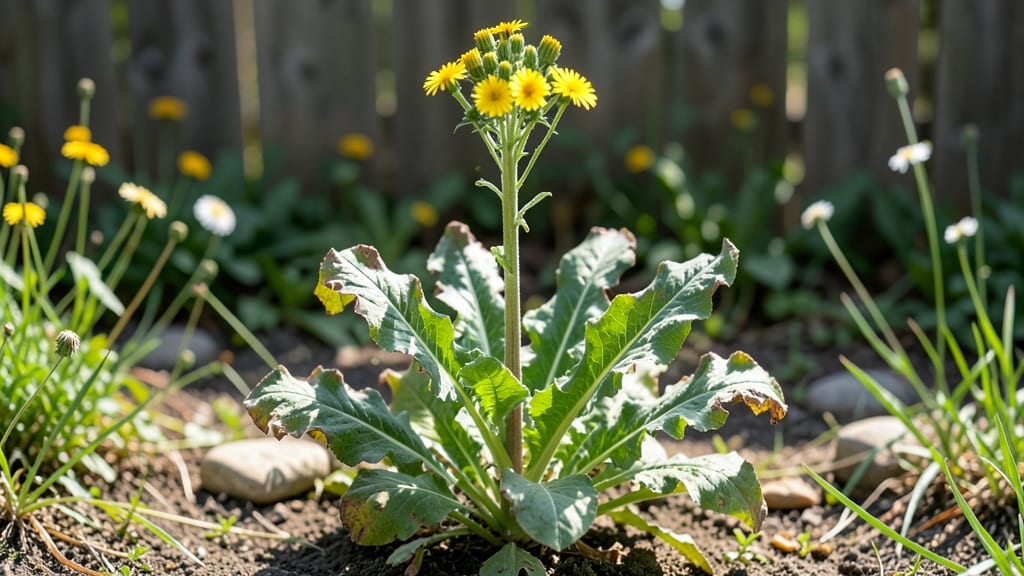
When your crisp 🥬 lettuce suddenly shoots up tall stems and starts flowering instead of producing leaves, you’re in the lettuce flowering stage—a process called bolting that turns your harvest into bitter disappointment.
This happens when heat, age, or stress trigger your plants to shift from leaf production to seed-making, often just as you’re about to enjoy weeks of fresh greens.
The good news? With the right timing and care, you can delay bolting and keep your 🥬 lettuce producing tender leaves for longer.
In this guide, I’ll walk you through what causes bolting, how to spot it early, and 5 proven strategies to keep your plants in the leafy growth phase—so you can enjoy a steady harvest instead of watching your garden go to seed.
Whether you’re dealing with spring heat or fall stress, these tips will help you prevent bolting and maximize your lettuce’s potential, even in challenging growing conditions.
What triggers the lettuce flowering stage and how to identify it
Lettuce enters its flowering stage—or bolting—when it shifts from producing tender leaves to developing bitter stems and seed stalks. This natural process is triggered by three primary factors: temperature stress, plant age, and environmental conditions.
Understanding these causes helps gardeners take proactive steps to delay bolting and maintain a longer harvest window.
The most common trigger is heat stress, where daytime temperatures exceed 75°F (24°C) for extended periods. Lettuce is a cool-season crop, and prolonged exposure to warm weather signals its internal clock to shift into reproductive mode.
Even mature plants can bolt if nighttime temperatures stay above 60°F (15°C). This is why spring and fall plantings thrive while summer gardens often struggle.
Another key factor is plant age. Most lettuce varieties reach their harvest maturity in 30-60 days, but if left in the ground too long, they’ll naturally transition to flowering.
For example, leaf lettuce like romaine may bolt after 45 days, while head lettuce like iceberg can take up to 70 days. Monitoring growth stages helps prevent premature bolting.
Environmental stressors like drought, poor soil nutrition, or crowding can also accelerate the flowering stage. When lettuce plants experience water stress or nutrient deficiencies, they prioritize reproduction over leaf growth. Even physical damage from pests or improper handling can trigger bolting as a survival mechanism.
Identifying the lettuce flowering stage early is crucial. Watch for these visual signs: tall, elongated stems (often yellow or purple), bitter-tasting leaves, and the appearance of seed stalks (also called bolting stems). These changes occur rapidly—sometimes within 3-5 days—so acting quickly is essential to salvage your crop.
| Trigger Factor | Description | Visual Signs | Prevention Tip |
|---|---|---|---|
| Heat Stress | Daytime temps >75°F (24°C) | Tall, hollow stems | Use shade cloth (30-50%) |
| Plant Age | Exceeds 45-70 days | Bitter leaves, seed stalks | Harvest before maturity |
| Water Stress | Dry soil or uneven watering | Yellowing edges, wilting | Water deeply 2-3x/week |
| Nutrient Deficiency | Low nitrogen or phosphorus | Pale leaves, stunted growth | Apply balanced fertilizer |
| Physical Stress | Pest damage or transplant shock | Hollow stems, leaf discoloration | Remove damaged plants |
Once you spot these bolting signs, act fast. While bolting lettuce isn’t toxic, the bitter taste and woody stems make it less enjoyable.
However, you can still harvest the outer leaves before the plant fully flowers, or cut the entire head and use it in cooked dishes like soups or stir-fries. The seed stalks themselves can even be saved for next year’s garden!
To prevent bolting, focus on environmental control. Start by choosing heat-tolerant varieties like romaine or buttercrunch, which handle warmer temperatures better than delicate types like butterhead. Plant in partial shade (4-6 hours of sun) and use shade cloth during peak afternoon heat.
Mulching with straw or grass clippings also helps regulate soil temperature and retain moisture.
Regular succession planting is another game-changer. Instead of sowing all your lettuce seeds at once, plant small batches every 2-3 weeks. This ensures a continuous harvest and reduces the risk of bolting, as younger plants are less sensitive to heat.
Pair this with consistent watering—lettuce prefers 1 inch of water per week—and avoid letting the soil dry out completely.
Finally, monitor your lettuce’s growth stage closely. If you notice stems elongating or leaves turning bitter, harvest immediately or thin the plants to reduce competition. With these strategies, you can extend your lettuce harvest by 4-6 weeks and enjoy crisp, flavorful greens well into the growing season.
5 Proven strategies to delay lettuce flowering for extended harvests
When your lettuce starts sending up tall, bitter-tasting stems instead of producing tender leaves, you're witnessing the lettuce flowering stage—a natural but frustrating transition.
This shift from leafy growth to seed production is triggered by heat, age, or stress, but the good news is you can delay it with simple, effective strategies.
By combining the right variety selection, environmental controls, and care techniques, you can enjoy crisp lettuce for weeks longer than the average harvest.
One of the most reliable methods to combat bolting is using shade cloth during peak afternoon heat. Lettuce thrives in cooler temperatures, and even a 30-50% shade cloth can reduce soil and leaf temperatures by 10-15°F, significantly slowing down the flowering process.
Pair this with succession planting—sowing new seeds every 2-3 weeks—so you always have fresh, heat-sensitive varieties coming in while older plants mature.
- Shade Protection: Use 30-50% shade cloth during 12 PM - 4 PM to block heat stress. Secure cloth 2-3 feet above plants to allow airflow.
- Variety Selection: Choose heat-tolerant varieties like Romaine or Buttercrunch. These handle 75-80°F better than loose-leaf types.
- Consistent Watering: Maintain 1 inch of water weekly, focusing on deep, morning watering. Avoid wetting leaves to prevent fungal risks.
- Soil Management: Amend soil with compost for moisture retention and add a 2-inch mulch layer to regulate temperature.
- Succession Planting: Sow new seeds every 2-3 weeks in spring/fall. Space plants 12-18 inches apart for optimal airflow.
Another critical factor is watering consistency. Lettuce roots are shallow, and uneven moisture triggers stress responses that accelerate bolting. Aim for deep watering sessions in the early morning to keep soil evenly moist without soggy conditions.
Pair this with a 2-inch layer of organic mulch (like straw or shredded leaves) to lock in moisture and insulate roots from temperature swings. This combo keeps your lettuce focused on leaf production rather than survival mode.
Don't overlook the power of soil preparation either. Lettuce prefers fertile, well-draining soil with a pH between 6.0 and 7.0. Before planting, mix in 2-3 inches of compost to provide steady nutrients without the nitrogen spikes that can encourage rapid growth (and bolting).
A slow-release fertilizer like 5-10-10 applied at planting time gives your lettuce the steady fuel it needs without overwhelming it.
For gardeners in hot climates, succession planting is your secret weapon. Instead of planting all your lettuce seeds at once, stagger plantings every 2-3 weeks during spring and fall. This ensures you always have a batch of young, heat-sensitive lettuce coming in while older plants mature.
Pair this with shade cloth over the newest seedlings to give them a head start in cooler conditions. With this approach, you can enjoy fresh lettuce for 2-3 months instead of just 4-6 weeks.
Remember, even if your lettuce starts bolting, it's not a total loss. The lower leaves remain edible (though bitter) and can be used in cooked dishes. Save the seed stalks for next year's garden—they're a great source of heirloom seeds!
With these strategies, you'll transform bolting from a frustrating setback into a manageable part of your gardening rhythm. 🥬