
Vegetables
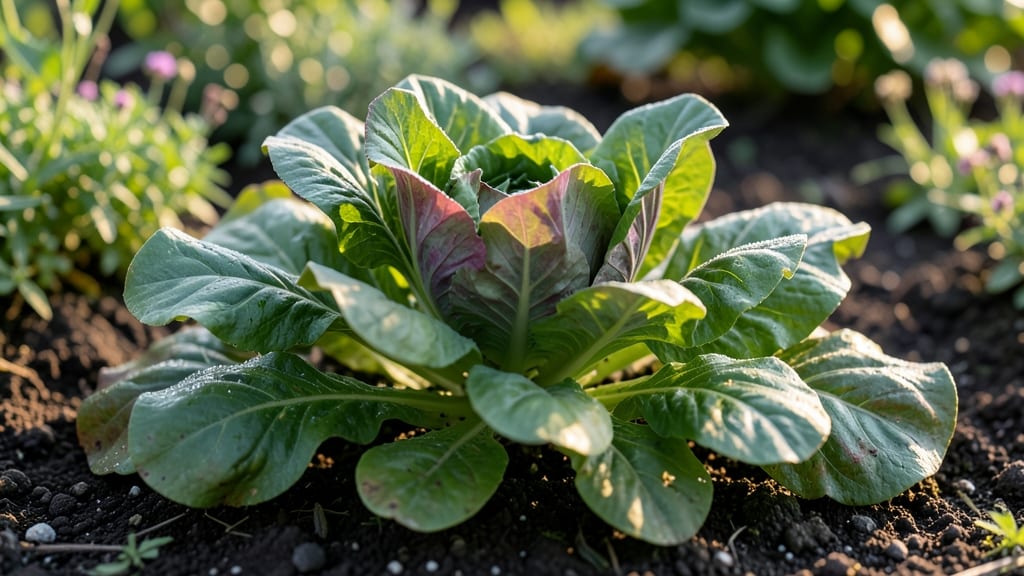
Growing loose leaf lettuce feels like cheating the system—fresh greens in 30 days, no waiting for heads to form. 🌱 My first attempt last spring proved it: with the right conditions, you can harvest leaves all season long, even in mild winters.
The secret is treating it like a cut-and-come-again crop rather than a one-time harvest. You'll need well-draining soil, consistent moisture, and either a sunny spot or a grow light.
Direct sowing beats transplants for loose leaf—seeds germinate in 5-10 days, and you can start harvesting as soon as leaves reach 2-3 inches. The key is spacing: plant seeds ½ inch apart in rows 12 inches apart to prevent crowding.
By midseason, you'll be snipping outer leaves while inner ones keep growing. The flavor improves with cooler weather, and with succession planting every 2 weeks, your harvest never stops. Even pests like slugs can't stop this easy-to-grow staple. Works in containers, raised beds, or in-ground plots.
Here's how to keep it thriving all year—no fancy equipment needed.
📚 In This Guide
- What you need
- Instructions
- Tips and common mistakes
- Wrapping up and next steps
What you need
- ● Loose leaf lettuce seeds: Choose varieties like Black Seeded Simpson, Buttercrunch, or Oakleaf. Aim for 1–2 packets (50–100 seeds) per planting.
- ● Growing containers or garden bed: For containers: 6–12" deep pots (minimum 6" diameter) with drainage holes. 3–5 plants per container works well.
- ● For garden beds: Well-draining soil in a sunny spot (4–6 hours of light daily). Space seeds 6–12 inches apart.
- ● High-quality potting mix or garden soil: Lightweight, organic, and free of weeds. 1–2 bags (2–4 cubic feet) for containers or beds.
- ● Compost or organic fertilizer: Balanced (e.g., 5-5-5) or nitrogen-rich (e.g., fish emulsion). 1 cup per 5 gallons of soil at planting.
- ● Watering can or hose with a gentle spray nozzle: Lettuce hates soggy roots—aim for 1 inch of water per week.
- ○ Seedling trays (for starting indoors) – Optional but helpful for early starts.
- ● Hand trowel or small transplant spade – For gentle soil work.
- ● Row covers or shade cloth (30–50%) – Protects from pests and intense sun.
- ● pH testing kit – Ideal soil pH: 6.0–7.0.
- ● Organic mulch (straw or grass clippings) – Retains moisture and suppresses weeds.
- ● Time commitment: 3–6 weeks to harvest (faster in cool weather!).
- ● Temperature control: Ideal 50–75°F. Avoid planting when temps exceed 80°F (bolting risk!).
- ● Patience for succession planting: Sow new seeds every 2–3 weeks for continuous harvests.
Step-by-Step instructions for growing loose leaf lettuce
Here’s how I grow tender, crisp lettuce with minimal fuss—no bolting, no bitter leaves, just steady harvests.
🌱 Step 1: Select and Prepare the Growing Space
Loose leaf lettuce thrives in cool weather between 45-75°F, making it perfect for early spring or fall plantings. Choose a spot that gets 4-6 hours of morning sun and partial afternoon shade—too much midday heat causes bolting. If growing in containers, use at least 6-inch deep pots with drainage holes to prevent root rot.
Work in 2-3 inches of compost into the top layer of soil to ensure nutrients stay available. Lettuce is shallow-rooted, so focus on enriching the topsoil rather than digging deep. I like to add a handful of fish emulsion at planting time for an extra phosphorus boost—this encourages strong leaf growth instead of flowering stems.
💧 Step 2: Sow Seeds Directly for Best Results
Skip the transplant shock entirely by sowing seeds ¼ inch deep in rows spaced 12-18 inches apart. Scatter seeds thinly—3-4 per inch—since loose leaf varieties grow in clusters. Water gently with a fine mist to avoid washing seeds away, then cover with a lightweight row cover if nighttime temperatures dip below 50°F.
Here’s the thing—lettuce seeds germinate best in consistent moisture. Keep the soil surface damp (not soggy) until 7-10 days when you’ll see tiny green sprouts breaking through. If seeds dry out before germinating, they’ll die—so check daily during dry spells. Once sprouts appear, remove the row cover immediately to prevent fungal issues.
☀️ Step 3: Maintain Moisture and Prevent Bolting
Water deeply every 2-3 days, aiming for 1 inch of water per week. Lettuce hates drying out—wilting leaves turn bitter and tough. I water in the early morning so foliage dries quickly, reducing disease risk. Mulch with straw or shredded leaves to lock in moisture and keep roots cool.
Watch for bolting (rapid stem elongation) if days get too warm or long. To delay flowering, shade plants with 50% shade cloth during peak afternoon sun. Harvest outer leaves when they reach 3-4 inches—this encourages continuous regrowth. You’ll get multiple harvests per plant over 4-6 weeks before needing to replant.
✂️ Step 4: Harvest and Extend the Season
Use clean scissors to snip outer leaves at the base, leaving the inner rosette intact. This method lets you harvest for weeks without replanting. For a year-round supply, succession plant every 2-3 weeks in spring and fall. In summer, grow heat-tolerant varieties like ‘Black Seeded Simpson’ or ‘Jericho’ under partial shade.
If frost threatens, protect plants with a frost blanket or move containers to a sheltered spot. Lettuce actually tastes sweeter after light frost—just harvest before leaves turn mushy. With this approach, I’ve kept lettuce growing through winter in Zone 7 with minimal effort.
Tips & tricks for perfect loose leaf lettuce
These simple but game-changing strategies will help you avoid common pitfalls and grow the most tender, flavorful lettuce all year long.
Soil Prep Secret: The 2-3 inches of compost in Step 1 isn't just about nutrients—it's about creating the perfect moisture-retaining environment. I like to mix in a handful of worm castings along with the fish emulsion for an extra boost of beneficial microbes. These tiny organisms help break down nutrients into forms lettuce can absorb instantly, which means faster growth and sweeter leaves.
Germination Strategy: Those critical 7-10 days in Step 2 can be tricky with our unpredictable spring showers. I've found that placing a clear plastic dome or even a cut-open plastic bottle over the seed bed creates a mini greenhouse effect. This maintains consistent moisture without requiring daily watering—just check every other day to make sure condensation isn't building up. The key is to remove it immediately when sprouts appear to prevent fungal issues.
Watering Wisdom: The 1-inch weekly watering guideline in Step 3 is perfect, but timing matters just as much as quantity. I've learned that watering in the early morning gives leaves time to dry completely before evening, which dramatically reduces the risk of fungal diseases like downy mildew. If you must water in the afternoon, do it before 4 PM to allow at least 2 hours of drying time before sunset.
Harvest Technique: When you're harvesting those 3-4 inch leaves in Step 4, here's what nobody tells you—use clean, sharp scissors and make your cuts at a 45-degree angle. This creates a larger surface area for new growth to emerge from, and the angled cut prevents tearing of the tender inner leaves. I also like to harvest every other outer leaf rather than taking all from one side, which keeps the plant balanced and encourages even regrowth.
Pro Tips for Loose Leaf Lettuce
- These simple but game-changing strategies will help you avoid common pitfalls and grow the most tender, flavorful let...
- Soil Prep Secret: The 2-3 inches of compost in Step 1 isn't just about nutrients—it's about creating the perfect mois...
- Germination Strategy: Those critical 7-10 days in Step 2 can be tricky with our unpredictable spring showers. I've fo...
Frequently asked questions
How long does it take for loose leaf lettuce to grow?
Loose leaf lettuce is one of the fastest-growing greens—typically ready in 30 to 50 days from seed, depending on the variety and growing conditions. Baby leaves can be harvested as early as 4–6 weeks for tender, mild flavors. For full-sized leaves, check the seed packet for specific maturity timelines.
Can I grow loose leaf lettuce in hot weather?
Loose leaf lettuce thrives in cool seasons (50–75°F), but it can bolt (go to seed) quickly in heat. To extend your harvest, plant in early spring or fall, use shade cloth (30–50% coverage), or opt for heat-tolerant varieties like Jericho or Black Seeded Simpson. Avoid direct sun during peak summer hours.
What’s the best way to harvest loose leaf lettuce?
Harvest outer leaves first using clean scissors or your fingers, leaving the inner core intact. This method encourages regrowth for weeks or even months! For a full harvest, cut the entire plant at the base. Always wash leaves thoroughly before eating—dirt hides in those crispy nooks!
Can I regrow loose leaf lettuce after cutting?
Unlike head lettuce, loose leaf varieties are cut-and-come-again champions. After harvesting, water the base and keep the soil moist. In 2–4 weeks, new leaves will sprout. Repeat this process 3–4 times per plant before replanting. Perfect for maximizing your space and reducing waste!
What are some easy alternatives if loose leaf lettuce fails?
If your lettuce bolts, wilts, or gets pests, try these resilient alternatives:
- Spinach: Cold-hardy and fast-growing (30–40 days).
- Arugula: Peppery flavor, heat-tolerant, and ready in 3–4 weeks.
- Swiss Chard: Cut-and-come-again like lettuce but more drought-resistant.
- Microgreens: Super quick (7–14 days) and packed with nutrients.
Wrapping up and next steps
Growing loose leaf lettuce is a rewarding journey that brings fresh, crisp greens straight to your plate with minimal fuss! Whether you’re a beginner or a seasoned gardener, its fast growth and adaptability make it the perfect year-round crop.
With the right setup—like well-draining soil, consistent moisture, and a little shade—you’ll enjoy a steady harvest in just weeks, not months.
Ready to dive in? Start small—try a container or a dedicated bed—and let your green thumb shine! 🌱 Your next step: Grab your seeds, pick a sunny spot, and watch your garden transform into a crisp, crunchy salad haven.