
Blooming
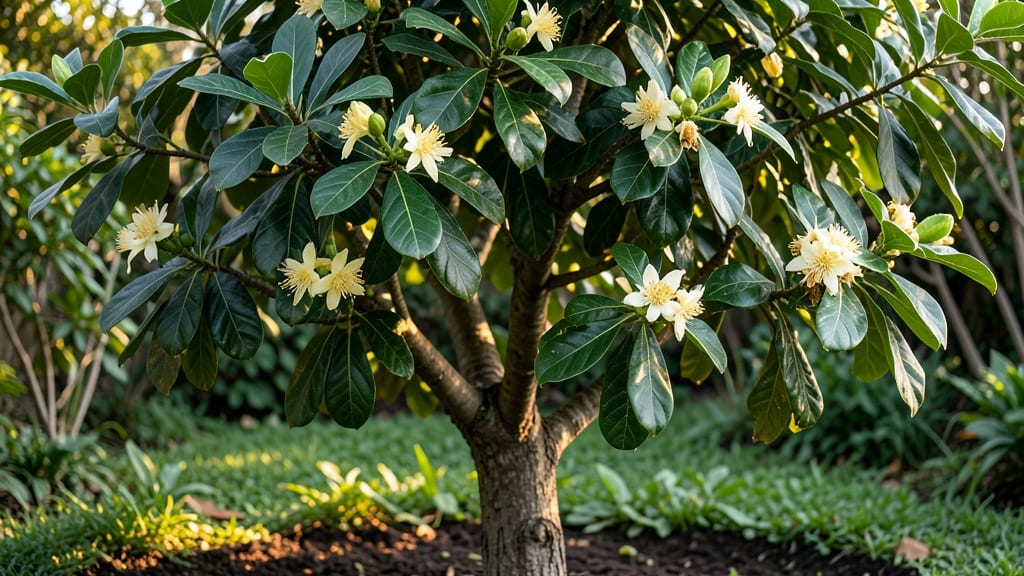
Understanding the avocado flower stages helps you predict—and even boost—next year’s harvest, because every bloom tells a story about your tree’s future fruit.
Did you know your avocado tree’s flowers hold the key to predicting next year’s harvest? Whether you’re growing a 🥑 in a frost-free zone or nurturing a potted tree indoors, recognizing each stage—from bud emergence to pollination—can transform your fruit yield from disappointing to abundant.
Most gardeners miss the subtle cues that separate healthy blooms from wasted energy. For example, A-type and B-type flowers don’t just look different—they bloom at different times, and pairing them correctly is the secret to a bountiful crop.
In this guide, I’ll break down what each stage reveals about your tree’s potential, how to spot problems early, and the simple tricks to maximize pollination—so you’re not left wondering why your tree flowers but never fruits.
The 5 stages of avocado flower development and their impact on fruit production
Avocado trees produce unique flowers that follow a precise 5-stage development process, each critical for fruit production. These stages—from bud formation to fruit set—reveal whether your tree will bear abundant harvests or struggle with poor yields.
Understanding each phase helps you optimize conditions for success, whether you're growing a dwarf variety in containers or a standard tree outdoors.
Environmental factors like temperature and humidity play pivotal roles in flower development. For example, ideal pollination requires daytime temps between 68-77°F and humidity above 50%. Even slight deviations can cause flowers to drop prematurely, reducing your harvest potential by up to 40%.
Let’s break down each stage and how to support your avocado tree through its reproductive journey.
🌱 Key Insight: Avocado flowers are perfectly self-incompatible, meaning they require cross-pollination between A-type and B-type flowers for fruit to develop. This dual-flowering system is why planting multiple trees improves yields dramatically.
During stage 1 (pre-bloom), your avocado tree is laying the groundwork for the entire flowering cycle. Stress from drought or nutrient deficiencies during this phase can reduce bud numbers by up to 30%.
To support healthy bud formation, ensure your tree receives balanced fertilization (6-6-6 NPK) and consistent moisture without waterlogging. Mulching with organic matter helps maintain soil temperature and humidity.
In stage 2 (A-Type/B-Type differentiation), flowers begin opening in distinct morning and afternoon cycles. A-type flowers (morning blooms) release pollen, while B-type flowers (afternoon blooms) are receptive.
This dual system ensures cross-pollination, but imbalances—like too many A-type flowers—can lead to poor fruit set. Planting multiple trees with complementary flowering times maximizes pollination success.
At stage 3 (pollination readiness), flowers are most vulnerable to environmental stressors. High winds or low humidity can disrupt pollen transfer, while extreme heat (>85°F) causes flowers to wilt and drop.
To mitigate risks, provide light shade during peak heat and attract pollinators with native plants like lavender or sunflowers. Hand-pollination with a small brush is an option if natural pollinators are scarce.
⚠️ Pro Tip: If you notice excessive flower drop during stages 2-3, it’s often a sign of pollination failure or environmental stress. Adjust conditions immediately—like increasing humidity with a misting system—to salvage potential fruit.
How to identify a-type vs. B-type avocado flowers for successful pollination
Avocado trees produce two distinct flower types—A-type and B-type—that bloom at different times. This dichogamy ensures cross-pollination, but misidentifying them can lead to poor fruit set. A-type flowers open in the morning and are female-receptive first, while B-type flowers open in the afternoon and are male-receptive first.
Understanding these differences helps you strategize for maximum fruit production.
Timing is your first clue: A-type flowers appear in late winter to early spring, while B-type flowers follow 4–6 weeks later. If your tree blooms in January–February, those are likely A-type flowers.
If you see a second flush in March–April, those are B-type flowers. This staggered timing is nature’s way of preventing self-pollination and ensuring genetic diversity.
A-Type vs. B-Type Avocado Flowers
A-Type Flowers
- 🌸 Blooms: Late winter/early spring
- 🕒 Timing: Morning receptive, afternoon male
- 🌿 Color: Light green to pale yellow
- ✅ Pros: First to open, attracts early pollinators
- ❌ Cons: Needs B-type nearby for pollination
B-Type Flowers
- 🌸 Blooms: Spring (4–6 weeks after A-type)
- 🕒 Timing: Afternoon receptive, morning male
- 🌿 Color: Slightly darker green
- ✅ Pros: Complements A-type for cross-pollination
- ❌ Cons: Late bloomers may face seasonal pollinator shortages
Physical traits also differ slightly. A-type flowers tend to have longer stamens (male parts) that mature first, while B-type flowers have longer stigmas (female parts) that become receptive later.
To test, gently pull back the petals: if the stigma (center bump) is swollen and shiny, it’s receptive. If the stamens (yellow tips) are protruding, it’s male-phase.
Seasonal patterns matter too. In USDA Zones 10–11, A-type flowers thrive in cooler winter months (60–75°F), while B-type flowers need warmer spring conditions (75–85°F). If your region has unpredictable weather, consider hand-pollinating with a small brush to transfer pollen between flower types.
This is especially useful if you only have one tree or live in areas with low bee activity.
Common mistakes reduce yields significantly. Pruning at the wrong time (during bloom season) removes potential flowers, while over-fertilizing with nitrogen promotes leafy growth over fruit production.
Another pitfall is ignoring seasonal cues: if your tree blooms in summer instead of spring, it may signal stress from heat or drought. Adjust care by watering deeply and providing afternoon shade during peak heat.
For best results, pair A-type trees like 'Hass' or 'Fuerte' with B-type trees like 'Lamb Hass' or 'Reed'. If you’re growing indoors, place trees near a south-facing window to mimic natural light cycles.
Monitor blooms closely: if more than 50% drop within a week, it’s a sign of poor pollination or environmental stress. With the right pairing and care, you’ll see a 30–50% increase in fruit set next season.