
Flowers
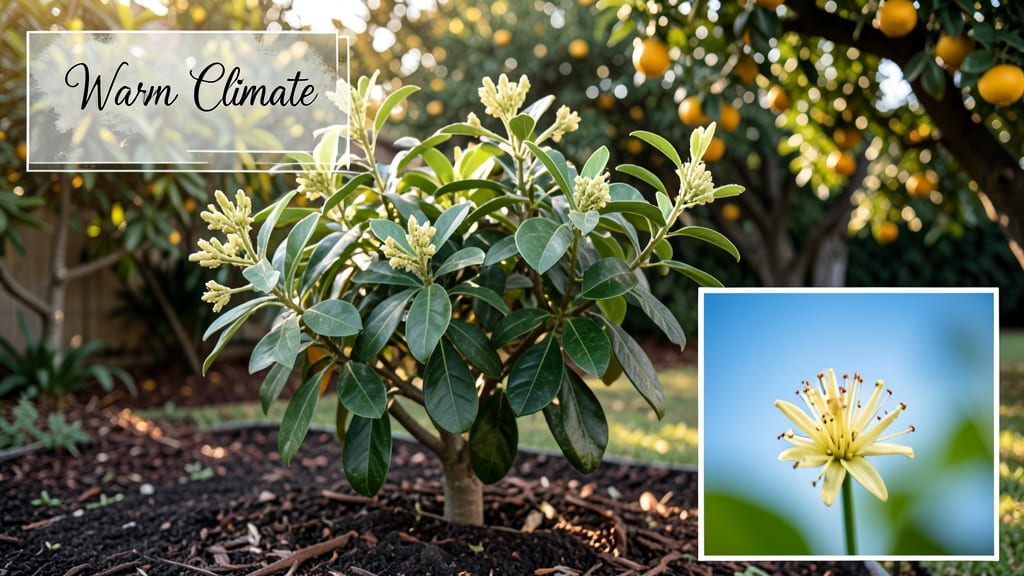
Avocado trees flower when they’re ready to bear fruit—but timing depends on your climate zone, and missing it means waiting another year for those creamy, rich 🥑.
If you’ve ever watched your avocado tree stand tall with no flowers in sight, you’re not alone. The blooming window is short, and in cooler zones, it might only happen once a year—usually in spring or fall, depending on where you live.
Below, I’ll break down the exact months your tree is most likely to flower, from USDA Zone 9a to 11, plus how to spot the signs before buds even appear. You’ll also learn why some trees flower but never produce fruit—and how to fix it.
Ready to turn that leafy giant into a fruit-bearing powerhouse? Let’s dive into the secrets of avocado flowering.
Avocado flowering seasons by USDA climate zones: a detailed guide
Avocado trees (Persea americana) thrive in warm climates, but their flowering windows vary dramatically across USDA zones 7-11. Understanding these patterns helps you predict blooms and maximize fruit production. In zones 9-11, trees often flower twice yearly—spring and fall—while cooler zones (7-8) may see only one seasonal bloom.
Temperature fluctuations trigger flowering, with ideal ranges between 60°F and 75°F. Sudden drops below 50°F can shock buds, while prolonged heat above 90°F may delay blooms. Pre-flowering signs include new leaf growth spurts and tiny, green flower clusters forming in leaf axils.
🌱
| USDA Zone | Primary Flowering Window | Secondary Window (If Applicable) | Temperature Triggers | Pre-Flowering Signs |
|---|---|---|---|---|
| Zone 7 (20-25°F) | Late spring (May-June) | None (single bloom) | 65-75°F for 4+ weeks | Leaf flush, small green buds |
| Zone 8 (10-20°F) | Early spring (April) + fall (October) | Weak fall blooms (if temps stay mild) | 55-70°F for 3+ weeks | New shoots, floral scent |
| Zone 9 (20-30°F) | Spring (March-April) + fall (September-October) | Strong secondary blooms | 60-75°F consistently | Bud clusters, leaf darkening |
| Zone 10 (30-40°F) | Year-round (peaks spring/fall) | Continuous light blooms | 65-80°F with slight drops | Scented buds, rapid growth |
| Zone 11 (40°F+) | Spring (February-March) + fall (October-November) | Year-round potential | 70-85°F with humidity | Heavy bud load, fragrant blooms |
In Zone 7, avocado trees typically flower just once in late spring when daytime temps stabilize above 65°F. Look for tiny green buds forming in leaf axils—these will open into creamy-white flowers with a sweet fragrance.
Young trees may take 3-5 years to flower, while mature trees can produce two harvests per year if conditions are ideal.
Zones 8-9 experience the most predictable flowering patterns, with spring blooms triggered by rising temperatures and fall blooms encouraged by cooling nights. For example, in Zone 9, March-April blooms often yield fruit by fall/winter, while September-October blooms may fruit the following spring/summer.
Prune lightly after flowering to redirect energy to fruit development.
🌿
Gardeners in Zones 10-11 enjoy nearly year-round flowering potential, but even here, temperature fluctuations play a critical role. A 5-10°F drop at night can signal buds to open, while prolonged heat may cause bud drop.
In these zones, hand-pollination (using a small brush to transfer pollen) can boost fruit set, especially if bees are scarce. Watch for heavy bud loads—this indicates a productive year ahead!
To identify pre-flowering signs, inspect your tree for new leaf growth, which often precedes blooms by 2-4 weeks. Leaves may darken slightly, and you’ll notice small green clusters forming where leaves meet stems.
In Zone 11, these clusters can appear almost year-round, but peak blooms still align with seasonal temperature shifts.
🪴
If your tree flowers but doesn’t produce fruit, check for pollination gaps or nutrient deficiencies. Avocados are self-pollinating, but cross-pollination improves yields. In cooler zones (7-8), ensure your tree receives full sun and consistent moisture—drought stress can prevent flowering entirely.
For potted avocados, move them outdoors in spring/summer to trigger blooms.
Pro tip: Keep a <
How to tell if your avocado tree is about to flower (and what it means for fruit)
Spotting the signs your avocado tree is about to flower is like catching a glimpse of nature’s secret recipe for fruit. These trees don’t announce their blooming plans with fanfare, but they do drop subtle hints—if you know what to look for.
The transition from vegetative growth to reproductive mode happens gradually, and missing it could mean waiting another year for those coveted avocados. I’ve learned the hard way that patience and observation are key here.
First, pay attention to the leaf color and texture. Healthy avocado leaves are deep green and glossy, but just before flowering, you’ll notice a shift. The leaves may develop a slightly darker green hue or even a faint reddish tint along the veins, especially in cooler climates.
This isn’t just a cosmetic change—it’s your tree’s way of signaling it’s gearing up for its flowering phase. Pair this with a closer look at the new growth.
5 Key Signs Your Avocado Tree Is About to Flower
- 1. Leaf Color Shift: Darker green or reddish veins appear on new leaves.
- 2. Bud Formation: Tiny, rounded buds form in leaf axils (where leaves meet stems).
- 3. Scent Change: A faint, sweet fragrance (like vanilla or honey) fills the air near the tree.
- 4. Growth Slowdown: New leaf production slows as energy shifts to flower development.
- 5. Temperature Drop: Nights cool to 55–65°F (13–18°C), triggering blooms in tropical zones.
Those tiny buds in the leaf axils are your next clue. They start as small, rounded bumps—almost invisible at first—but they’ll grow into the fragrant, tubular flowers avocado trees are famous for. If you’re growing a dwarf variety, these buds might appear earlier and closer to the trunk.
Pro tip: Use a magnifying glass to inspect the buds if they’re hard to spot with the naked eye.
The moment you notice a sweet, honey-like scent wafting from your tree, you’re in the home stretch. Avocado flowers are not showy, but their fragrance is unmistakable—almost like a mix of vanilla and citrus. This scent peaks at dawn, which is also when the flowers open fully.
If you’ve ever wondered why avocado orchards smell so heavenly in the morning, now you know! The scent is nature’s way of attracting pollinators like bees.
Here’s where it gets tricky: some avocado trees flower but never fruit. This usually happens due to pollination issues, nutrient deficiencies, or temperature mismatches. For example, if your tree blooms in a heatwave (above 85°F or 29°C), the flowers may drop before pollination occurs.
To fix this, I recommend hand-pollinating with a small brush in the morning when flowers are open. Also, ensure your tree gets balanced fertilizer (like 6-6-6 NPK) to support fruit development.
If your tree is young (under 3–5 years old), it might flower but lack the energy to produce fruit. In this case, focus on root development and gradual pruning to encourage stronger growth next season. And remember: patience is key.
Some avocado varieties, like the Hass, take up to 5–7 years to bear fruit consistently. Keep an eye on those leaves, buds, and scents—and soon, you’ll be harvesting your own avocados!