
Blooming
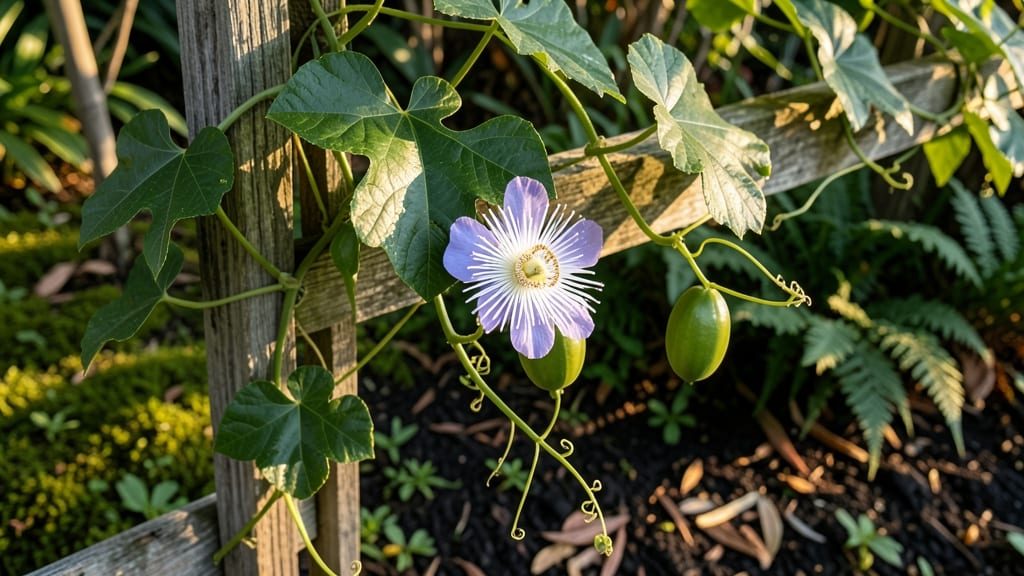
If you’ve ever planted passion fruit 🍈 only to wonder why the fruit isn’t showing up when your neighbor’s vines are heavy with harvests, you’re not alone. The secret lies in climate, variety, and a few key care practices that can speed up—or slow down—your harvest.
In General (Tropical/Subtropical) zones like 9b-11, where temperatures stay warm year-round, the process moves faster. But even in cooler areas with protection, the right techniques can shave weeks off the wait.
Below, I’ll break down the exact stages, climate factors, and troubleshooting tips to ensure your passion fruit flowers turn into fruit on schedule.
You’ll learn how to track progress, spot delays early, and optimize conditions for a bountiful harvest—so you can finally enjoy that first sweet, tangy bite of homegrown passion fruit.
How many weeks does it take for passion fruit flowers to ripen?
If you've ever watched a passion fruit vine bloom and wondered, "When will those flowers turn into fruit?"—you're not alone. The journey from passion fruit flower to ripe fruit typically takes 18 to 24 weeks, but this timeline can shift based on variety, climate, and care.
Understanding these stages helps you set realistic expectations and troubleshoot delays. Let’s break down the process so you can track your vine’s progress like a pro.
First, passion fruit flowers open in the morning and close by afternoon, a behavior that ensures self-pollination or attracts pollinators like bees and hummingbirds. Once pollinated, the flower wilts, and a tiny fruit begins forming within 1 to 2 weeks.
This early stage is critical—if pollination fails, the flower drops without fruiting. After this, the fruit enters rapid growth, reaching golf-ball size in 6 to 8 weeks.
Here’s where variety matters: Purple passion fruit (Passiflora edulis) often matures faster than yellow passion fruit (Passiflora edulis flavicarpa), with purple varieties typically ready in 16 to 20 weeks under ideal conditions.
Yellow passion fruit, however, can take 20 to 24 weeks or longer. These differences stem from genetic traits and environmental responses, so choose your variety based on your climate and patience level.
| Stage | Duration (Weeks) | Key Visual Cues | Notes |
|---|---|---|---|
| Pollination | 0-1 | Flower wilts, tiny fruit bump forms | Hand-pollinate if needed |
| Early Growth | 2-4 | Fruit swells to pea size | High phosphorus fertilizer helps |
| Rapid Growth | 6-8 | Fruit reaches golf ball size | Prune for better air circulation |
| Color Change | 4-6 | Skin shifts from green to purple/yellow | Sunlight accelerates ripening |
| Ripening | 6-8 | Fruit softens, stem dries | Harvest when fully colored |
Temperature plays a pivotal role in speeding up or slowing down this process. Passion fruit thrives in 70–90°F (21–32°C) conditions, where fruit matures in as little as 16 weeks. Below 60°F (15°C), growth stalls, and flowers may drop without setting fruit.
If you’re in a cooler climate, like USDA Zone 8a, consider using a greenhouse or row covers to maintain warmth during critical growth stages.
Sunlight is another game-changer. Passion fruit vines demand 6+ hours of direct sun daily to fuel photosynthesis and fruit development. In shadier spots, fruits may stay small, take longer to ripen, or develop poor flavor.
If your vine isn’t getting enough light, relocate it to a sunnier trellis or supplement with grow lights during cloudy periods. I’ve seen vines in partial shade take up to 30 weeks to ripen—so don’t skimp on sunlight!
Soil health also impacts timing. Passion fruit vines prefer well-draining, slightly acidic soil (pH 6.0–7.0). Poor soil can lead to nutrient deficiencies, stunted growth, and delayed ripening. Before planting, amend your soil with compost or aged manure and a balanced fertilizer (5-10-10 NPK) to support flowering and fruiting.
I once had a vine in heavy clay soil
Best climate zones for fastest passion fruit flower to fruit conversion
Passion fruit thrives in warm climates where temperatures stay between 60°F and 90°F—the sweet spot for flowering to fruit conversion. In USDA zones 9b-11, you’ll see the fastest results, with Purple passion fruit maturing in 180-210 days after pollination.
Cooler zones like 8a can still grow passion fruit, but with extended timelines and extra care.
For gardeners in tropical zones (9b-11), the process is nearly seamless—consistent warmth accelerates growth, and humidity levels above 60% support pollination. In subtropical zones (8a), you’ll need seasonal adjustments, like row covers in winter or greenhouse protection to maintain ideal temperatures.
Even a 10°F drop can stall flowering or fruit set.
In Florida (zone 10a), I’ve seen Yellow passion fruit convert flowers to fruit in as little as 160 days when grown in full sun and well-draining soil.
Meanwhile, in California’s coastal zones (9b), Purple passion fruit takes 200-220 days—the slightly cooler nights slow early growth but improve flavor. For container growing in zones 8a or lower, choose dwarf varieties like Passiflora edulis ‘Golden’ and use black plastic mulch to warm roots.
To speed up ripening in cooler climates, I recommend hand-pollinating flowers with a small brush (especially in low-humidity areas) and fertilizing with phosphorus-rich compost (like bone meal) to boost fruit set. Morning watering (1-2 gallons per plant) keeps roots active, while afternoon shade cloth prevents heat stress in zones 10b+.
Even in optimal zones, pruning spent flowers encourages new blooms, cutting total fruit time by 2-3 weeks.
Regional tips matter: In Hawaii (zone 11), passion fruit vines self-pollinate easily, but in Arizona (zone 9a), bees struggle in summer heat—so I release bumblebee nests near vines or hand-pollinate daily.
For organic gardeners, companion planting with basil or marigolds attracts pollinators, while avoiding synthetic fertilizers prevents nutrient imbalances that delay fruiting. The key? Monitor soil temps—roots need at least 65°F to absorb nutrients efficiently.
If you’re in zone 8a or below, don’t give up—greenhouse growing can extend your season. I’ve had success with low-tunnel setups in spring and fall, where daytime temps reach 75°F+ and nights stay above 55°F.
Pair this with drip irrigation to maintain consistent moisture, and you’ll see fruit in 220-250 days—just 30 days slower than tropical zones. With the right setup, even northern gardeners can enjoy homegrown passion fruit!