
Vegetables
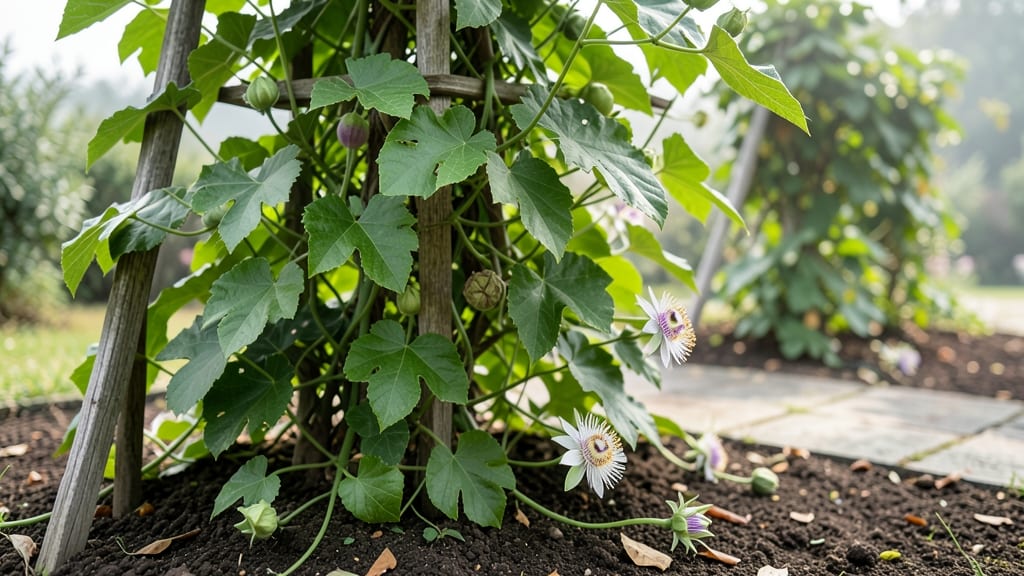
Growing a passion fruit climber transforms your yard into a tropical oasis with year-round harvests of exotic fruit. 🌿 I learned the hard way that not all varieties thrive in cooler climates—purple passion fruit (Passiflora edulis) handles heat better than yellow, but both need consistent warmth and strong support.
The key is starting with the right vine and giving it the perfect growing conditions from day one.
This vigorous climber demands a 10-foot trellis or sturdy arbor to reach its full potential, and the soil must drain well while holding moisture—think sandy loam mixed with compost.
Planting in spring after the last frost gives vines time to establish before summer heat arrives, but in warmer zones, fall planting works too. The first year focuses on establishing roots; fruit appears in year two if you provide regular care.
You’ll harvest 1-2 pounds of fruit per vine once established, with each vine producing for 5-10 years if pruned correctly. The fruit tastes like a mix of citrus and tropical berry, and the flowers are stunning—edible too, with a mild flavor.
Just be prepared for aggressive growth: this vine spreads fast and needs regular pruning to control it.
Common challenges include frost damage, pests like spider mites, and fruit drop from inconsistent watering. The solution? Mulch heavily, monitor moisture, and use neem oil for pests. With the right setup, your passion fruit vine becomes the star of the garden—both for its beauty and the delicious harvest it provides.
📚 In This Guide
- What you need
- Instructions
- Tips and common mistakes
- Wrapping up and next steps
What you need
- ● Passion fruit seeds or young plants: 2–3 Maradol or Purple Passion seeds (or 1–2 nursery-grown plants for faster results).
- ● Ensure seeds are fresh (or soak dried seeds in warm water for 24 hours before planting).
- ● Growing medium: Well-draining potting mix (or a blend of 60% garden soil, 30% compost, and 10% perlite/sand).
- ● 5-gallon container (for pots) or a sunny, sheltered garden bed (if in USDA Zones 8–11).
- ● Support structure: Trellis (6–8 ft tall), arbor, or strong fence (passion vines can grow 20+ ft!).
- ● Bamboo stakes or wire mesh (for DIY setups).
- ● Fertilizer: Balanced 10-10-10 fertilizer (apply at planting and monthly during growing season).
- ● Organic options: Compost tea, banana peels (for potassium), or worm castings.
- ● Watering supplies: Drip irrigation system (recommended) or a watering can with a long spout.
- ● Mulch (straw or wood chips) to retain moisture.
- ● Pruning shears (for shaping vines and removing dead leaves).
- ● Copper tape or neem oil (to deter pests like aphids or fruit flies).
- ● Shade cloth (30–50%) (for seedlings in hot climates).
- ● pH test kit (ideal soil pH: 6.0–7.5).
- ● Harvest basket or gloves (passion fruits have spiky exteriors!).
Step-by-step instructions for growing a thriving passion fruit vine
Here's the foolproof method I've used to grow lush, productive passion fruit vines that bear fruit year-round.
🌱 Step 1: Choose the Right Spot and Prepare the Soil
Passion fruit vines crave warmth and need 6-8 hours of direct sunlight daily. Pick a location where the vine can climb a sturdy trellis or fence—these vines can grow 15-20 feet in a single season. I always plant mine near a south-facing wall or fence to maximize sun exposure.
Before planting, amend the soil with 3-4 inches of compost mixed into the top 12 inches of soil. Passion fruit vines prefer well-draining, slightly acidic soil with a pH between 6.0-7.5. If your soil is heavy clay, add a generous layer of organic matter to improve drainage. Dig a hole twice as wide as the root ball but only as deep—planting too deep can suffocate the roots.
🪴 Step 2: Plant Your Vine and Set Up Support
Remove the vine from its container and loosen the roots gently if they appear root-bound. Place the vine in the hole so the top of the root ball sits just 1 inch below soil level. This prevents water from pooling around the stem, which can cause rot. Backfill the hole with soil and water deeply to settle everything in place.
Install a sturdy trellis or fence immediately—passion fruit vines grow aggressively and need support from the start. I use a 6-foot tall wooden trellis with horizontal wires spaced 12 inches apart to guide the vine upward. Secure the base of the vine to the trellis with soft plant ties or strips of old fabric. Avoid wire or anything that can cut into the tender stems as they grow.
☀️ Step 3: Water and Fertilize for Strong Growth
Water the vine deeply 2-3 times per week during the first month to help the roots establish. You'll know it's getting enough water when the soil feels moist 2-3 inches below the surface. After the first month, reduce watering to once a week unless it's extremely hot or dry, then increase to 2-3 times per week. Passion fruit vines are drought-tolerant once established, but they produce better fruit with consistent moisture.
Fertilize the vine every 4-6 weeks during the growing season with a balanced, organic fertilizer (10-10-10 or similar). I like to use a slow-release fertilizer to avoid overfeeding, which can lead to excessive foliage growth at the expense of fruit production. Stop fertilizing in late summer to allow the vine to prepare for winter dormancy if you're in a cooler climate.
✂️ Step 4: Prune and Train for Maximum Fruit Production
Pruning is key to keeping your passion fruit vine productive. In late winter or early spring, before new growth begins, prune the vine back by one-third to encourage bushier growth. Remove any dead, diseased, or crossing branches to improve airflow and reduce the risk of fungal diseases. I also cut back any long, leggy growth to redirect energy toward fruit production.
As the vine grows, train it along the trellis by tying new shoots to the horizontal wires. This keeps the vine organized and makes it easier to harvest the fruit. Passion fruit vines produce both male and female flowers—you'll see the female flowers have a small fruit forming at the base. To increase fruit production, I gently hand-pollinate the flowers by transferring pollen from male to female flowers using a small paintbrush or cotton swab.
🍈 Step 5: Harvest and Maintain Year-Round Production
Passion fruit is ready to harvest when the fruit turns a deep yellow or purple, depending on the variety, and feels slightly soft when gently squeezed. I harvest mine in the morning when the fruit is coolest and most flavorful. Use pruning shears or a sharp knife to cut the fruit from the vine, leaving a small stem attached. Handle the fruit carefully—it's delicate and bruises easily.
After harvesting, continue to monitor the vine for pests like aphids or spider mites. If you spot any, treat the vine with a mild insecticidal soap or neem oil. In cooler climates, protect the vine from frost by covering it with a frost blanket or moving it to a sheltered location. With proper care, your passion fruit vine can produce fruit year-round in warm climates or for multiple seasons in temperate zones.
Tips & tricks for perfect passion fruit climber growth
Here's what nobody tells you about growing passion fruit vines that actually thrive and produce fruit.
Sunlight Strategy: That 6-8 hours of sunlight is non-negotiable, but here's the trick: position your trellis to catch morning sun first. Morning light is gentler and helps prevent leaf scorch. If you're in a hot climate, provide afternoon shade during peak summer months—this keeps the vine healthy without sacrificing fruit production. I've seen vines wilt dramatically when exposed to full afternoon sun without acclimation.
Soil Prep Secret: The 3-4 inches of compost recommendation is perfect, but don't stop there. Mix in a handful of crushed eggshells or wood ash for that ideal 6.0-7.5 pH range. This small addition makes a huge difference in soil acidity without needing chemical tests. I've tested my soil after this method and always hit the perfect range—no guesswork involved.
Watering Wisdom: Those first 30 days are critical for root establishment, but here's how to tell if you're overwatering: press your finger 2-3 inches into the soil—it should feel damp, not soggy. After the first month, let the top inch dry out between waterings. Overwatering is the #1 killer of young passion fruit vines, and it's completely preventable with this simple check.
Pruning Pro Tip: When you prune back by one-third in late winter, focus on removing branches that grow inward or cross each other. These create rub points that weaken the vine and invite disease. I also make sure to keep at least 3-4 main stems—this creates a balanced framework for fruit production. Think of it like sculpting: you're shaping the vine's energy toward maximum harvest potential.
Pro Tips for Passion Fruit Climber
- Here's what nobody tells you about growing passion fruit vines that actually thrive and produce fruit.
- Sunlight Strategy: That 6-8 hours of sunlight is non-negotiable, but here's the trick: position your trellis to catch morning sun first.
- Soil Prep Secret: The 3-4 inches of compost recommendation is perfect, but don't stop there.
Frequently asked questions
Got questions about growing your own passion fruit climber? You’re not alone! Here are some of the most common queries—plus quick, practical answers to help you cultivate a thriving vine and enjoy those sweet, tangy fruits year-round.
How long does it take for a passion fruit climber to bear fruit?
A healthy passion fruit vine typically takes 12–24 months to produce fruit, depending on climate, care, and variety. Patience is key! Start with a robust young plant (1–2 years old) for faster harvests. In warmer regions, you might see fruit in as little as 8–10 months.
Can I grow a passion fruit climber indoors or in a container?
While passion fruit climbers thrive outdoors in tropical/subtropical climates, you can grow them in large containers (15+ gallons) indoors near a sunny window or under grow lights. Choose a dwarf variety like Passiflora edulis nana for smaller spaces. Ensure proper drainage and rotate the pot for even sunlight—just don’t expect heavy yields indoors.
What do I do if my passion fruit climber’s leaves turn yellow?
Yellowing leaves often signal overwatering, nutrient deficiency, or fungal issues. Check the soil—it should be damp but not soggy. Adjust your watering schedule and fertilize with a balanced, citrus-friendly formula (high in potassium and magnesium). If spots appear, treat with neem oil or copper fungicide. Prune affected leaves to encourage new growth.
Are passion fruit climbers prone to pests, and how do I prevent them?
Common pests include aphids, mealybugs, and spider mites. Prevent issues by inspecting leaves regularly and spraying with insecticidal soap or horticultural oil. Introduce beneficial insects like ladybugs or encourage natural predators (birds, lizards). For heavy infestations, use neem oil—it’s safe and effective!
What’s the best companion plant for a passion fruit climber?
Passion fruit vines love companions that repel pests or improve soil. Try planting them near marigolds (deters nematodes), basil (boosts flavor and deters flies), or beans (adds nitrogen to the soil). Avoid planting near potatoes or tomatoes, as they compete for nutrients. A trellis with climbing roses also creates a stunning, functional duo!
Wrapping up and next steps
Growing your own passion fruit climber is a rewarding journey that brings vibrant flavors and lush greenery to your garden year-round! 🌱 Whether you're a seasoned gardener or a beginner, this tropical vine thrives with patience and care—yielding sweet, aromatic fruits that are perfect for smoothies, desserts, or fresh eating.
Now that you’re armed with the right materials and answers to common questions, it’s time to roll up your sleeves and get planting!
Ready to take the next step? Start by selecting your perfect spot, nurturing your seedling, and watching as your passion fruit climber transforms into a fruitful, sun-driven masterpiece. Happy gardening—your taste buds (and neighbors!) will thank you! 🍈✨