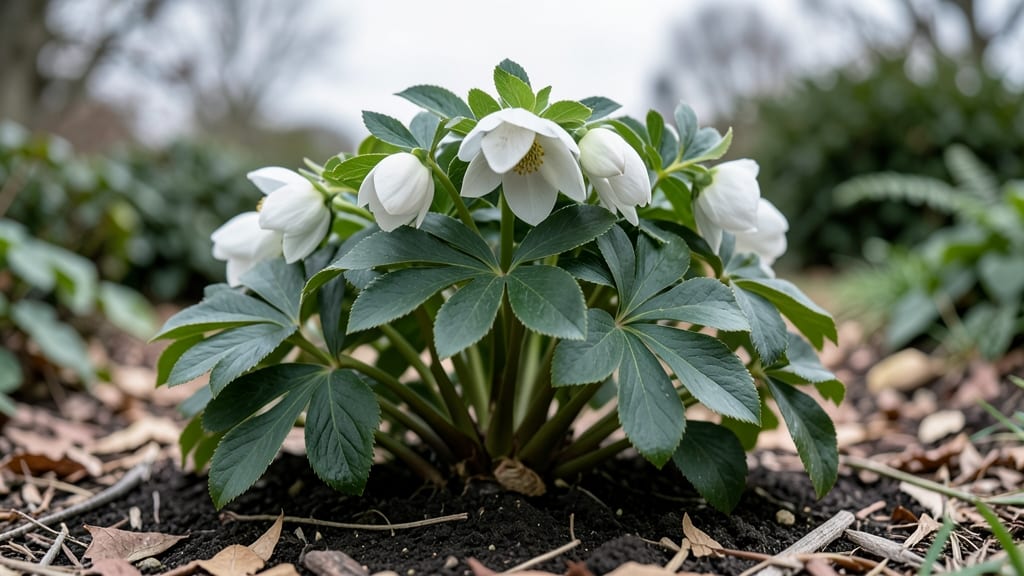
Are there flowers that bloom in winter? The answer is a resounding yes—vibrant winter-blooming flowers bring life and color to cold landscapes, proving that frost doesn’t have to mean dullness.
Picture this: a crisp December morning, your garden still alive with delicate blooms while neighbors’ yards lie bare. That’s the magic of hardy winter flowers like winter jasmine 🌸, hellebores, and witch hazel—plants that refuse to surrender to the chill.
With the right care, you can turn your yard into a winter wonderland of color and life, even in USDA Zone 6a or colder.
Most gardeners assume winter means dormancy, but these cold-loving plants thrive when others fade. They demand minimal fuss—just the right soil, a little protection from harsh winds, and maybe a light mulch.
Below, I’ll share the easiest species to grow, how to plant them for maximum impact, and creative ways to weave them into your winter landscape without breaking a sweat.
Ready to defy the gray? You’ll discover which flowers bloom earliest, how to extend their season, and why some even perfume the air on frosty days. Let’s make your winter garden the envy of the neighborhood.
Top 10 cold-hardy winter-blooming flowers for different climates
Winter gardens don't have to be colorless! Cold-hardy winter-blooming flowers bring life to your landscape when most plants are dormant. These resilient species thrive in USDA hardiness zones 3-10, offering vibrant blooms from late fall through early spring.
Whether you're in a northern climate or coastal region, these flowers defy frost and provide continuous color.
I've curated a list of top 10 winter-blooming flowers that survive harsh conditions while requiring minimal care. From delicate hellebores to fragrant witch hazel, each variety offers unique benefits for different climates.
These flowers not only survive winter but often bloom more vigorously after cold snaps, making them perfect for year-round interest.
The key to success with winter bloomers is understanding their specific hardiness zones and care requirements. Some varieties thrive in zone 3 (-40°F), while others prefer milder zone 10 (30°F).
I'll break down each flower's ideal conditions, including sunlight needs, watering schedules, and soil preferences, so you can select the perfect additions for your winter garden.
| Flower Name |
USDA Zones |
Bloom Time |
Sunlight Needs |
Key Features |
| Hellebores (Lenten Rose) |
4-9 |
Late fall to early spring |
Partial shade |
Shade-tolerant, deer-resistant, nodding blooms |
| Winter Jasmine (Jasminum nudiflorum) |
6-9 |
Late winter to early spring |
Full sun |
Fragrant yellow blooms, fast-growing climber |
| Witch Hazel (Hamamelis) |
4-8 |
Late fall to winter |
Partial sun |
Striking orange/yellow flowers, fragrant foliage |
| Pansies (Viola) |
7-10 |
Fall through spring |
Full sun to partial shade |
Edible flowers, cold-hardy annuals, colorful varieties |
| Snowdrops (Galanthus) |
3-9 |
Late winter |
Partial shade |
One of first bloomers, symbolizes hope |
| Winter Aconite (Eranthis hyemalis) |
5-9 |
Late winter |
Full sun to partial shade |
Bright yellow blooms, spreads easily |
| Crocus (Spring Crocus) |
3-8 |
Late winter to early spring |
Full sun |
Naturalizes well, edible petals, early bloomer |
| Horned Violet (Viola cornuta) |
4-8 |
Late fall to spring |
Partial shade |
Long bloom season, spreads via runners |
| Christmas Rose (Helleborus niger) |
4-8 |
Winter holidays |
Partial shade |
Classic holiday bloomer, glossy leaves |
How to extend your garden’s winter bloom season: planting and care tips
Winter doesn’t have to mean a colorless garden. With the right winter-blooming flowers and proper care, you can create a vibrant landscape that thrives even in cold temperatures. The key lies in selecting hardy species and adapting your planting techniques to protect them from frost while encouraging continuous blooms.
Many gardeners assume flowers only bloom in spring or summer, but nature offers cold-hardy varieties like hellebores, winter jasmine, and pansies that defy this rule. These plants not only survive winter but also thrive in chilly conditions, providing cheerful color when most gardens are dormant.
The secret to their success? Understanding their unique soil needs, watering schedules, and protection strategies.
5 Key Tips to Extend Winter Blooms
-
1. Choose frost-resistant varieties: Select winter-blooming flowers like Hellebores (USDA zones 4-9) or Winter Aconite (zones 3-8), which tolerate sub-freezing temperatures down to 10°F. These species naturally adapt to cold climates.
-
2. Prepare soil with organic matter: Amend your garden beds with compost or aged manure before planting to improve drainage and nutrient retention. Winter-bloomers need well-draining soil to prevent root rot from excess moisture.
-
3. Mulch heavily for insulation: Apply a 3-4 inch layer of mulch (straw, shredded leaves, or pine needles) around plants after the first frost. This acts as a thermal blanket, protecting roots from temperature fluctuations and retaining moisture.
-
4. Water sparingly but deeply: Reduce watering frequency in winter but ensure deep soakings every 2-3 weeks to prevent soil from freezing. Avoid wet foliage, which can lead to fungal diseases like powdery mildew.
-
5. Prune strategically in late winter: After blooms fade, trim back dead or damaged stems but avoid heavy pruning until early spring. This prevents new growth from being damaged by late frosts while maintaining plant shape.
Another critical strategy is companion planting. Pair winter-bloomers with evergreen shrubs like boxwood or ornamental grasses to create windbreaks that shield delicate flowers from harsh winds. For example, planting winter jasmine near a holly hedge not only adds visual contrast but also protects its delicate stems during icy conditions.
Adjust your fertilizing routine to match winter’s slower growth cycle. Skip heavy feeding during dormancy but apply a light dose of balanced fertilizer (10-10-10) in early spring to encourage new blooms.
Over-fertilizing in winter can lead to tender new growth that’s vulnerable to frost damage. Instead, focus on mulching and soil health as your primary winter care tactics.
For container gardens, move potted winter flowers to sheltered locations like porches or garages during extreme cold snaps. Use insulating wraps or bubble wrap around pots to prevent soil from freezing.
Even hardy varieties like pansies benefit from this extra protection, especially in Zone 5 and colder regions where temperatures can drop below -10°F.
With these seasonal adjustments, your garden can remain a year-round showcase of color and life. The key is patience—winter-blooming flowers often reward gardeners with prolonged blooming periods if given the right conditions.
Start small with a few hardy varieties, and gradually expand your winter garden as you master the art of cold-season care.
★★★★★5.0(14 reviews)
|