
Vegetables
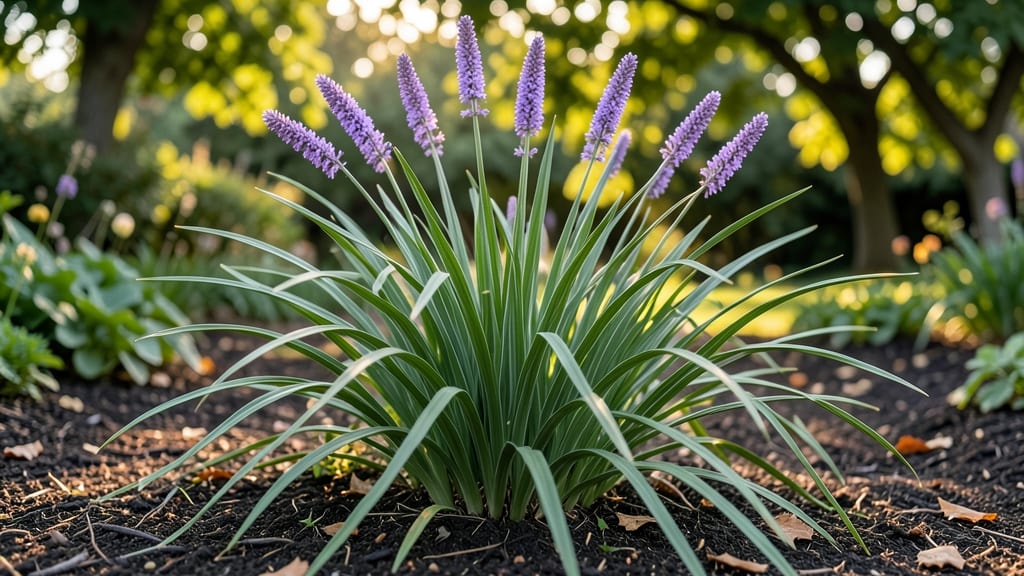
Liriope thrives through winter's chill—boldly pushing back against frost with its cold-hardy roots. 🌿 I’ve watched mine survive 15°F winters with just a little prep, and the secret isn’t complicated: it’s all about protecting the crown and keeping the soil just right.
Most gardeners overlook how much mulch or timing matters, but these small steps mean the difference between brown patches and a springtime comeback.
The key is mulching early—before the first hard freeze—with 2–3 inches of shredded leaves or straw. This insulates the roots while letting moisture escape, preventing rot. In colder zones (below Zone 5), add a layer of burlap over the crown for extra protection.
Liriope’s grass-like foliage may turn brown in winter, but don’t panic: it’s just dormant, not dead. The real test is whether the roots stay alive underneath.
By spring, you’ll see new shoots within weeks, often before the soil thaws completely. The plants rebound with such vigor that neighbors will ask how you keep yours looking so lush.
Even if winter damage happens—like browning or dieback—cut back the dead growth in early spring and feed the soil with compost. Liriope’s resilience makes it one of the most foolproof perennials for cold climates.
For regions with heavy snow or fluctuating temperatures, a light cover of evergreen boughs can shield the foliage from sun scorch. And if you’re in a mild winter zone (like Zone 7+), you might skip mulching entirely—just monitor for dry spells.
The goal? Let nature do the work while you enjoy the low-maintenance beauty of liriope’s winter survival.
📚 In This Guide
- What you need
- Instructions
- Tips and common mistakes
- Wrapping up and next steps
What you need
- ● Liriope plants: Liriope muscari or Liriope spicata (1-5 plants, depending on garden size). Choose healthy clumps with firm foliage.
- ● Organic mulch: 2–3 inches of shredded bark, straw, or pine needles (avoid fresh wood chips, which can compact).
- ● Garden gloves: A pair of durable, water-resistant gloves to protect your hands.
- ● Garden fork or trowel: For loosening soil or spreading mulch evenly.
- ● Watering can or hose: With a gentle spray nozzle for hydration.
- ● Winter fertilizer: A slow-release, low-nitrogen fertilizer (e.g., 5-10-10) to nourish roots without encouraging new growth.
- ● Burlap or frost cloth: For extra protection in USDA Zones 5 and below (lightweight fabric to shield from harsh winds or late frosts).
- ● Soil amendment: Compost or well-rotted manure (1–2 inches mixed into soil) to improve drainage and fertility.
- ● Pruners: For trimming back dead foliage in early spring (sterilized with rubbing alcohol).
Step-by-Step guide to winterizing liriope for spring rebound
Here’s how I protect liriope through winter’s chill so it greets spring with vibrant foliage and fresh growth.
🌿 Step 1: Assess and Prune Dying Foliage
Liriope’s grass-like leaves yellow and brown as winter sets in, but don’t rush to cut them back. Wait until late winter, just before new growth begins—usually 4-6 weeks before your last frost date. This timing ensures you remove dead foliage without harming emerging shoots.
Use clean, sharp pruners to trim the old leaves down to 1-2 inches above the soil line. I like to leave a little stub—it protects the crown from temperature swings and prevents soil erosion. Avoid cutting into the crown itself, as liriope stores energy there for spring.
☀️ Step 2: Adjust Mulch for Insulation
Liriope thrives in USDA Zones 4-10, but winter protection is key in colder climates. In Zones 4-6, add a 3-4 inch layer of mulch (like shredded bark or straw) over the root zone. This insulates roots from freezing temperatures and prevents heaving during freeze-thaw cycles.
For Zones 7-10, a 2-inch mulch layer suffices—too much can smother the plant. I avoid organic mulches like leaves, as they can compact and trap moisture, inviting rot. Instead, I use pine straw or coarse wood chips for airflow.
❄️ Step 3: Monitor for Frost Heaving and Snow Load
If your liriope is in a container, move it to a sheltered spot before hard frosts. Containers freeze faster and are prone to cracking. Bury pots halfway in the ground or wrap them in burlap to mimic soil insulation. In-ground liriope rarely needs extra protection unless you’re in Zone 4 or colder.
After heavy snowfall, gently brush snow off the foliage to prevent breakage. Liriope’s upright growth can bend under weight, but it recovers well if not snapped. I check my plants after storms—if stems are bent but not broken, they’ll straighten as temperatures warm.
🌱 Step 4: Prepare for Early Spring Growth
As temperatures rise above 40°F, liriope’s new shoots will emerge. This is the time to remove any remaining mulch (except in Zone 4) to allow soil to warm. I pull back mulch gradually—too soon, and roots stay cold; too late, and the soil overheats.
If you notice yellowing leaves in early spring, it’s often due to over-mulching or poor drainage. Water lightly if the soil is dry, but avoid soggy conditions. Liriope is drought-tolerant once established, but spring growth needs consistent moisture.
⏰ Step 5: Fertilize for Vigorous Rebound
Once new growth reaches 3-4 inches tall, apply a balanced, slow-release fertilizer (10-10-10) at half-strength. I skip heavy feeding in the first spring flush—liriope stores enough energy in its rhizomes. Instead, I focus on soil health: add compost or a light top-dressing of worm castings.
Watch for purple-tinged foliage—this signals phosphorus deficiency. If you see it, switch to a higher-phosphorus fertilizer (like 5-10-5) for a month. Purple leaves disappear with proper feeding, and your liriope will reward you with bold, arching foliage by summer.
Tips & tricks for perfectly winterizing liriope
These practical strategies will help your liriope survive winter's chill and bounce back with vigor next season.
Timing is Everything: When pruning in late winter (Step 1), check your local frost dates—this is critical. I always mark my calendar 4-6 weeks before the last expected frost to avoid cutting back too early. The stub you leave (1-2 inches above soil) acts as natural insulation for the crown, protecting it from sudden temperature swings that can stress the plant.
Mulch Selection Matters: For Zones 4-6, that 3-4 inch mulch layer (Step 2) should be lightweight—shredded bark or straw works best. I've learned the hard way that compacting mulch (like leaves) can suffocate roots, leading to rot. In warmer zones, stick to the 2-inch guideline; liriope's roots need airflow to prevent moisture buildup. The key is balance: insulation without suffocation.
Container Care: If your liriope is potted, don't overlook Step 3's container-specific advice. Burying pots halfway in the ground mimics in-ground insulation, while burlap wrapping prevents cracking from rapid temperature changes. I've seen containers shatter when left exposed—burying them solves this completely. For in-ground plants, only Zone 4 or colder needs extra protection like frost blankets.
Spring Transition Strategy: The 40°F threshold in Step 4 is your cue to remove mulch gradually. I pull back just enough to peek at soil moisture—if it's still cold, leave some mulch. Watching for purple-tinged leaves (Step 5) is your early warning system for phosphorus needs. A quick soil test can confirm if you need that 5-10-5 fertilizer switch before summer's peak growth.
Pro Tips for Liriope In Winter
- These practical strategies will help your liriope survive winter's chill and bounce back with vigor next season.
- Timing is Everything: When pruning in late winter (Step 1), check your local frost dates—this is critical. I always m...
- Mulch Selection Matters: For Zones 4-6, that 3-4 inch mulch layer (Step 2) should be lightweight—shredded bark or str...
Frequently asked questions
Got questions about keeping your liriope thriving through winter? You’re not alone! Here are answers to the most common concerns—plus a few pro tips to keep your grass-like beauty looking its best when temperatures drop.
Does liriope die in winter, or is it evergreen?
Liriope is a cold-hardy perennial that typically goes dormant in winter but doesn’t die back completely. In warmer climates (Zones 7-10), it often stays evergreen, retaining its sword-like foliage. In colder regions (Zones 5-6), the leaves may brown and flatten but bounce back in spring. Mulch lightly (1-2 inches) to protect roots from freeze-thaw cycles.
Should I cut back liriope in late fall or wait until spring?
For a neat appearance, trim dead or brown foliage in late winter or early spring (just before new growth emerges). Avoid cutting back in fall—this can expose tender roots to cold. If you prefer tidiness now, leave 2-3 inches of stubble to insulate the crown. Never remove all foliage until spring!
Why is my liriope turning brown in winter?
Brown patches are usually normal, but check for these culprits:
- Cold damage: Harsh winds or temps below 10°F can scorch leaves.
- Overwatering: Wet soil in winter suffocates roots. Water only if the ground is frozen.
- Fungal issues: Dark, mushy spots? Fungus thrives in damp conditions. Space plants for airflow.
Can I plant liriope in winter for spring color?
While liriope can be planted in early fall or late winter (before the ground freezes), winter planting is trickier. If you must plant in cold months:
- Choose bare-root plants (not potted) to reduce shock.
- Amend soil with compost for better drainage.
- Mulch heavily (3-4 inches) and water sparingly.
What’s a good winter alternative to liriope for year-round greenery?
If you want low-maintenance, evergreen ground cover that handles winter better, try:
- Mondograss (Ophiopogon japonicus): Tougher in cold climates, stays green.
- Creeping sedge (Carex spp.): Handles wet soil and stays lush.
- Dwarf mondo grass (Ophiopogon planiscapus ‘Nana’): Compact and cold-resistant.
- Heuchera (Coral Bells): Adds color + texture, thrives in shade.
Wrapping up and next steps
Caring for liriope in winter might seem tricky, but with the right knowledge, you’ll find it’s a resilient, low-maintenance superstar for your garden. 🌱 Whether you’re protecting it from frost, fertilizing for spring, or simply admiring its evergreen charm, this hardy perennial proves that winter beauty is possible.
Ready to take your garden to the next level?
Your next step? Plan ahead—mark your calendar for early spring tasks like dividing clumps or adding mulch. Watch your liriope thrive and bring that lush, green statement to your winter landscape! 🌿