
Vegetables
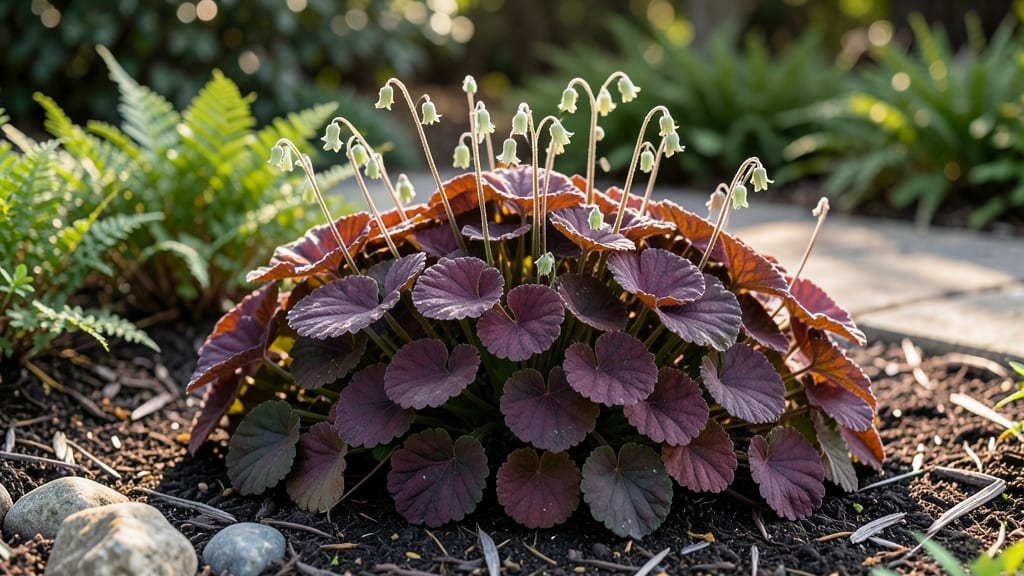
Caring for coral bells in winter is the secret to vibrant spring foliage that makes your garden pop after months of brown. 🌿 These tough perennials handle cold like champions, but a little winter prep—like mulching and pruning—keeps them thriving when others fade.
I’ve watched my Heuchera bounce back from frosty patches to showstopping purple, chartreuse, or silver leaves by April. The key is protecting their crowns from freeze-thaw cycles while letting them rest. In zones 4-9, a 3-inch layer of mulch (straw or shredded leaves) insulates roots without smothering.
Skip the heavy pruning now—wait until early spring to trim dead fronds, so you don’t accidentally cut off next year’s growth. Even in harsh winters, coral bells reward patience with bold, unfaded color that outshines annuals. What’s surprising? They often recover from frost damage faster than expected.
After a late-spring frost, my once-wilted chartreuse leaves rebounded in weeks, proving these perennials are winter’s unsung heroes. The trade-off? A little less vigor in the first flush of spring, but the payoff is months of low-maintenance beauty with zero fuss.
For gardeners in zones 3 or colder, treat them like tender perennials: lift pots or mound extra mulch. The goal isn’t perfection—it’s giving them the edge to outlast the cold and steal the show when spring arrives. Here’s how to do it right.
📚 In This Guide
- What you need
- Instructions
- Tips and common mistakes
- Wrapping up and next steps
What you need
- ● Coral Bells Plants: 3–5 mature plants (bare-root or container-grown) per 4–6 sq ft of space
- ● Varieties: Choose cold-hardy types like Heuchera ‘Palace Purple’, ‘Lime Rickey’, or ‘Berry Smoothie’ for winter interest
- ● Soil Amendments: 3–5 lbs of well-draining potting mix (or amend garden soil with 2–3 inches of compost)
- ● 1 cup perlite or sand (to prevent waterlogging)
- ● Planting Tools: 1 trowel or hand shovel
- ● 1 garden fork (for loosening soil)
- ● 1 pair of pruning shears (for trimming dead foliage)
- ● Mulch: 2–3 inches of organic mulch (straw, shredded bark, or pine needles)
- ● Watering Supplies: Watering can or hose with a gentle spray nozzle
- ○ Optional: Drip irrigation kit for automated care
- ● Fertilizer: Slow-release balanced fertilizer (10-10-10) or organic options like worm castings
- ● Garden Gloves: To protect hands while handling soil or pruning
- ● Plant Tags: To label varieties (especially useful if testing multiple colors!)
- ● Winter Protection: Burlap or frost cloth (for extreme cold zones below USDA Zone 5)
- ● Container Gardening: 1–2 10–12 inch pots with drainage holes (for patio or balcony setups)
- ● 1 saucer or tray (to catch excess water)
Step-by-Step guide to caring for coral bells through winter
Here's how to keep your Heuchera thriving when most gardens go dormant.
🌿 Step 1: Assess and Protect Existing Foliage
Start by inspecting your coral bells for any damaged or diseased leaves. Heuchera's striking foliage is its star feature, and winter can take a toll. Use clean, sharp pruners to remove any brown or blackened leaves at the base—this prevents fungal spores from overwintering and infecting fresh growth in spring.
For varieties with particularly delicate foliage, consider applying a 2-3 inch layer of mulch around the base after the first hard frost. I like to use shredded bark or straw because it insulates roots while allowing moisture to penetrate. This mulch blanket keeps soil temperatures stable and protects against freeze-thaw cycles that can heave roots.
❄️ Step 2: Adjust Watering for Winter Conditions
Coral bells enter a semi-dormant state in winter, which means their water needs drop dramatically. I stop regular watering entirely once temperatures consistently drop below 32°F, but I check soil moisture every 2-3 weeks—especially during dry spells. You'll know it's time to water when the top 1-2 inches of soil feels dry to the touch.
If your climate experiences heavy rainfall, ensure containers have proper drainage to prevent waterlogging. Soggy soil in winter can lead to root rot, and Heuchera's roots are particularly vulnerable when they're not actively growing. For container-grown plants, move them to a sheltered location if possible—even a covered porch can make a difference.
☀️ Step 3: Monitor Light Exposure
While coral bells tolerate shade, winter sunlight behaves differently than summer light. South-facing windows or unobstructed garden beds receive more direct winter sun, which can actually scorch tender new growth. I've found that varieties with silver or chartreuse foliage handle winter sun better than deep purples or blacks.
If you notice leaves developing crispy edges or bleached patches, provide afternoon shade using shade cloth or move containers to a more protected spot. You'll see the difference within days—the foliage will regain its vibrant color and texture. This is especially important in high-altitude areas where UV intensity remains strong even in cold months.
✂️ Step 4: Plan for Spring Revival
Late winter is the perfect time to plan your coral bells' spring renewal. Around mid-February in most climates, I start monitoring for new growth at the crown. You'll see tiny buds pushing through the soil or emerging from the base of old stems—this is your signal to begin light fertilizing.
Apply a balanced, slow-release fertilizer (10-10-10 ratio) at half strength when you see 2-3 inches of new growth. This gives roots a gentle boost without overwhelming them. I also check for any winterkill—if stems look mushy or blackened at the base, trim them back to healthy tissue immediately. Healthy coral bells will reward you with fresh foliage within 4-6 weeks of this treatment.
Tips & tricks for perfect coral bells through winter
Winter care for coral bells isn't just about survival—it's about setting them up for a spectacular spring comeback.
Pruning Precision: When removing damaged foliage in Step 1, cut all the way back to the crown rather than just snipping off the blackened tips. This prevents fungal spores from lingering in the stem tissue and gives your plant a cleaner start for new growth. I've seen winterkill spread when partial stems were left intact—better to be aggressive now than sorry later.
Mulch Timing: The 2-3 inch layer of mulch mentioned in Step 1 should be applied after the first hard frost but before the ground freezes solid. This timing ensures the mulch insulates roots during the most critical freeze-thaw cycles. I've had success using straw in colder climates because it breaks down more slowly than shredded bark, providing extended protection.
Light Exposure Strategy: For Step 3's winter sunlight challenge, consider using a simple DIY shade solution: place white plastic milk jugs (with bottoms cut out) over particularly vulnerable plants. These create diffuse shade while still allowing light penetration. I've used this trick with silver foliage varieties in high-altitude gardens, and it prevents scorching without requiring expensive shade cloth.
Spring Revival Readiness: Around mid-February, when planning for Step 4's spring revival, take a photo of your plant's current state. This visual reference helps you track progress—you'll notice new growth more easily when comparing to the winter baseline. I've found this simple habit prevents me from missing early signs of revival that might get overlooked in the daily garden routine.
Pro Tips for Coral Bells In Winter
- Winter care for coral bells isn't just about survival—it's about setting them up for a spectacular spring comeback.
- Pruning Precision: When removing damaged foliage in Step 1, cut all the way back to the crown rather than just snippi...
- Mulch Timing: The 2-3 inch layer of mulch mentioned in Step 1 should be applied after the first hard frost but before...
Frequently asked questions
Do coral bells die back in winter, or are they evergreen?
Most coral bells (Heuchera) are deciduous perennials, meaning they’ll shed their leaves in winter and go dormant. However, some varieties (like Heuchera ‘Palace Purple’) may retain a few evergreen leaves in mild climates. In freezing temps, expect them to look like dried twigs—but don’t worry! Their roots stay alive and burst back with color in spring.
How cold can coral bells tolerate?
Coral bells are hardy perennials, with most varieties surviving down to USDA Zones 4–9 (as low as -30°F/-34°C with protection). In extreme cold (<20°F/-7°C), mulch heavily with 3–4 inches of shredded bark or leaves to insulate roots. For container-grown plants, move pots to a sheltered spot or wrap them in burlap for extra warmth.
Should I prune coral bells in winter?
Wait until early spring (just before new growth appears) to prune. In winter, focus on removing dead or damaged foliage (if any) to prevent disease. Avoid cutting back healthy stems—this can expose tender roots to cold. A light trim in late winter (after the worst frost) helps tidy up the plant for its spring comeback.
What if my coral bells look sad in winter—are they dead?
Don’t panic! Coral bells often look brown and crispy in winter, but their roots are likely still alive. Test for life by gently tugging on a stem—if it resists, the plant is dormant. If it pulls out easily, the roots may have died (common in extreme cold or poor drainage). In that case, dig up and inspect the roots; healthy ones are firm and white.
Can I grow coral bells as winter annuals in cold climates?
Yes! In Zones 3 or colder, treat coral bells as winter annuals by planting them in late summer/early fall (6–8 weeks before frost). They’ll establish roots before winter and may survive mild freezes. For extra protection, choose cold-hardy varieties like Heuchera ‘Green Spice’ or ‘Fireworks’, and mulch generously.
Pro Tip:
Use winter’s dormancy as a chance to divide and propagate coral bells! Dig up clumps in late winter, separate the roots, and replant in fresh soil. This rejuvenates older plants and gives you free extra color for your garden. Just avoid this if your area experiences hard freezes.
Wrapping up and next steps
Coral bells (Heuchera) prove that winter doesn’t have to mean dullness in your garden—this hardy perennial thrives in cold weather, offering striking foliage and resilience that’s hard to beat. Whether you’re a seasoned gardener or just starting, their low-maintenance charm makes them a must-have for adding year-round interest.
Ready to transform your winter landscape? Start planning your coral bells today—your garden’s next masterpiece could be just a few clicks (or shovel strokes) away! 🌿❄️