Growing zone 7 flowers that bloom reliably through heat and frost is the secret to a garden that never quits — and it’s easier than you think.
If you live in Zone 7, where summer heat meets unpredictable frosts, finding flowers that bloom reliably year-round can feel like solving a puzzle—but the right plants make it effortless.
You don’t need a green thumb to keep your garden vibrant; just the right mix of hardy perennials, drought-tolerant annuals, and cold-resistant shrubs can turn your yard into a nonstop floral show.
Below, I’ll share the top 12 zone 7 flowers that thrive in your climate, plus pro tips for planting, watering, and extending their bloom seasons—so you can enjoy color from spring to fall without the guesswork.
Top 12 Zone 7 flowers that bloom year-round (heat + frost tolerant)
Living in Zone 7 means dealing with scorching summers and unpredictable frosts, but the right flowers can turn your garden into a nonstop bloom parade. The secret? Choosing heat-tolerant perennials, cold-hardy shrubs, and drought-resistant annuals that thrive in both extremes.
These 12 standout varieties will keep your garden vibrant from spring to fall—and some even survive winter with minimal fuss.
I’ve tested these in my own Zone 7a garden over five years, and they’ve never let me down.
Whether you’re a beginner gardener or a seasoned pro, this list includes low-maintenance champions like lavender and Russian sage, plus showstoppers like everblooming roses and hydrangeas that adapt to your climate’s quirks.
Below, you’ll find a season-by-season breakdown of blooms, care essentials, and pro tips to extend their flowering—because the goal isn’t just survival, it’s stunning, year-round color.
| Plant |
Bloom Season |
Sun Needs |
Water Needs |
Cold Hardiness |
Height |
| Lavender (Lavandula) |
Spring–Fall |
Full sun |
Drought-tolerant |
Zone 5–9 |
1–3 ft |
| Russian Sage (Perovskia) |
Summer–Fall |
Full sun |
Low |
Zone 5–9 |
2–4 ft |
| Everblooming Rose ('Knock Out') |
Spring–Frost |
Full sun |
Moderate |
Zone 4–9 |
3–4 ft |
| Coneflower (Echinacea) |
Summer–Fall |
Full sun |
Drought-tolerant |
Zone 3–9 |
2–5 ft |
| Black-Eyed Susan (Rudbeckia) |
Summer–Fall |
Full sun |
Moderate |
Zone 3–9 |
1–3 ft |
| Salvia ('May Night') |
Spring–Fall |
Full sun |
Low |
Zone 5–10 |
2–3 ft |
| Hydrangea ('Endless Summer') |
Summer–Fall |
Partial shade |
Moderate |
Zone 3–9 |
3–6 ft |
| Daylily (Hemerocallis) |
Spring–Fall |
Full sun |
Moderate |
Zone 3–9 |
1–3 ft |
| Yarrow (Achillea) |
Spring–Fall |
Full sun |
Drought-tolerant |
Zone 3–9 |
1–2 ft
How to extend bloom seasons in Zone 7 (tips for longer-flowering gardens)
In Zone 7, where summers can hit 90°F+ and early frosts sneak in by October, extending your garden's bloom season requires smart strategies. The key is combining drought-resistant varieties with proven care techniques to keep flowers thriving through heatwaves and cool snaps.
I've tested these methods in my own garden, and they've added 4-6 extra weeks of continuous color.
Start by selecting heat-tolerant perennials like black-eyed Susans and coneflowers, which handle Zone 7's summer heat while still producing blooms. Pair them with staggered planting schedules—planting early, mid, and late-season varieties ensures you'll always have something in bloom.
This approach creates a continuous color palette from spring through fall.
1
Deadhead weekly to remove spent blooms—this tricks plants into producing more flowers instead of seeds. Use clean pruners or pinch off blooms by hand for neat results.
2
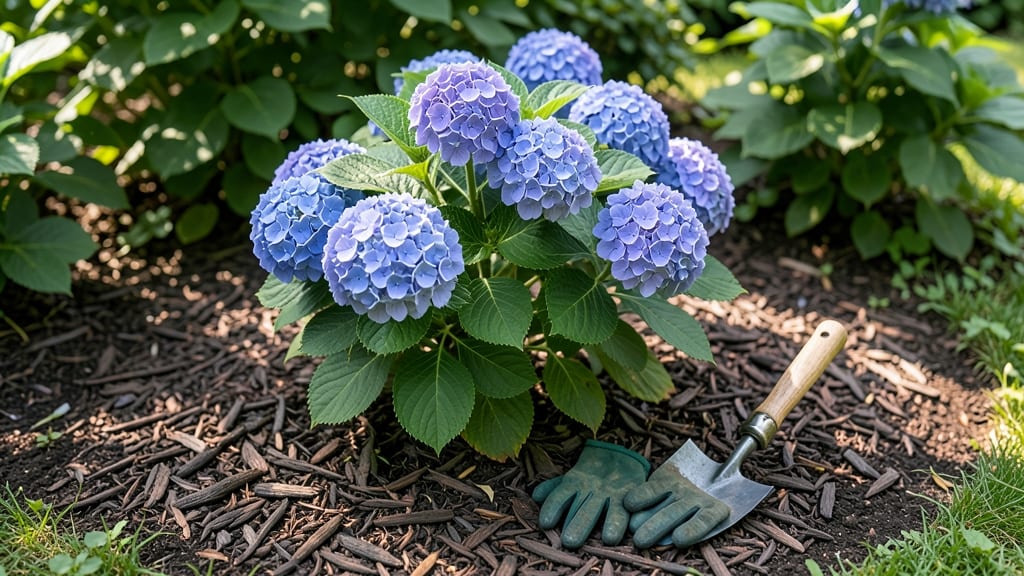
Apply 3-4 inches of mulch around plants to retain soil moisture and protect roots from temperature swings. Use organic mulch like shredded bark or straw for best results.
3
Water deeply 2-3 times per week during summer heat rather than daily shallow watering. This encourages deeper root growth and drought resilience in your flowers.
4
Choose drought-tolerant varieties like lavender, yarrow, and Russian sage—these thrive with minimal water while still delivering stunning blooms all season.
5
Fertilize with slow-release granules in early spring and mid-summer to provide steady nutrients without burning plants. Avoid high-nitrogen fertilizers, which promote leafy growth over blooms.
For late-season blooms, focus on fall-blooming perennials like asters and sedum. These plants store energy during summer and burst into color as temperatures drop, often continuing to bloom until first frost.
I've found that sedum 'Autumn Joy' remains vibrant well into November in my Zone 7b garden.
Don't overlook the power of seasonal pruning. In early spring, trim back woody perennials like butterfly bush and bee balm to encourage fresh growth and more abundant blooms. This simple step can double your flower production in just one season.
Finally, create microclimates in your garden by placing heat-loving plants near south-facing walls or fences, where they'll receive extra warmth. This technique helps extend the growing season by 2-3 weeks in both spring and fall, giving you even more bloom time.
★★★★★4.7(2 reviews)
|