
Diseases
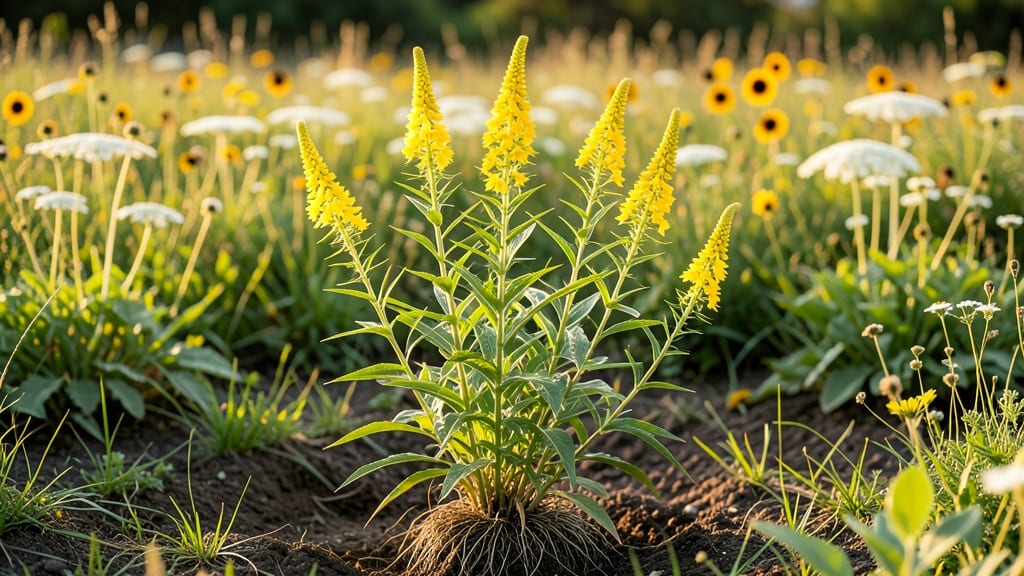
Your plant’s yellow flower stalk isn’t just an eyesore—it’s a cry for help, often signaling hidden problems like overwatering, fungal infections, or nutrient starvation.
Picture this: You’ve nurtured your Goldenrod 🌼 all season, only to wake up one morning and find those once-sturdy stalks wilting or turning an unnatural yellow.
Before you pull them out in frustration, let’s diagnose the real issue—because the fix could be as simple as adjusting your watering schedule or as critical as treating a spreading disease.
From powdery mildew to magnesium deficiencies, the causes of yellowing stalks are surprisingly common—and surprisingly fixable. We’ll walk you through the most likely culprits, what they look like up close, and the step-by-step solutions to bring your blooms back to life.
Whether your sunflowers are drooping or your roses are losing their vibrancy, you’ll leave this guide knowing exactly how to revive your plants and keep them thriving for seasons to come.
5 Common causes of yellow flower stalks in plants
If your flower stalks are turning yellow instead of staying vibrant, it’s often a sign your plants are struggling. Yellowing can happen for several reasons, from nutrient deficiencies to fungal infections.
The good news? Most issues are fixable once you identify the root cause. Let’s explore the top 5 culprits behind this common problem and how to spot them early.
Yellow flower stalks usually start as small discolorations near the base or along the stem. Over time, the yellowing spreads, weakening the stalk and reducing blooms.
The key to saving your plants is acting fast—whether that means adjusting your watering habits, treating a disease outbreak, or amending your soil. Below, we’ll break down each cause with clear symptoms and quick fixes.
-
1. Fungal Diseases (Powdery Mildew & Rust)
Look for white powdery spots (powdery mildew) or orange rust patches on stalks and leaves. These fungi thrive in humid, shaded conditions and weaken stems, causing yellowing.
-
2. Bacterial Infections (Soft Rot or Blight)
Yellowing stalks with water-soaked lesions or blackened tips may signal bacterial issues. These spread quickly in overwatered or crowded plants, causing stems to collapse.
-
3. Overwatering or Poor Drainage
Yellow stalks with mushy bases or root rot (smelly, brown roots) mean your plants are drowning. Compacted soil or clay pots trap excess moisture, starving roots of oxygen.
-
4. Nutrient Deficiencies (Magnesium or Nitrogen)
Yellowing between leaf veins (magnesium deficiency) or pale, weak stalks (nitrogen deficiency) signal hunger. Older leaves often yellow first, followed by stalks if the issue persists.
-
5. Environmental Stressors (Heat or Poor Airflow)
Stalks turning yellow in hot afternoons or near crowded foliage may be stressed. Scorched tips or stunted growth often accompany this, especially in low-humidity zones.
Each of these causes has distinct visual clues that help you diagnose the problem fast. For example, powdery mildew leaves a fuzzy white coating, while bacterial blight causes dark, oozy spots. Overwatering often starts with yellowing at the base of the stalk, whereas nutrient deficiencies spread from the bottom up.
Pay attention to these details—they’re your first line of defense.
Once you’ve identified the issue, the next step is targeted action. For fungal diseases, prune affected stalks immediately and apply a copper-based fungicide.
If overwatering is the culprit, let the soil dry out between waterings and consider amending with perlite for better drainage. Nutrient deficiencies often respond well to Epsom salt (for magnesium) or a balanced fertilizer (for nitrogen).
Environmental stressors like heat stress or poor airflow require adjustments to your garden layout. Move plants to shadier spots during peak sun hours or thin out crowded foliage to improve circulation.
These small changes can make a big difference in stalk health. For instance, roses and sunflowers are prone to yellowing under heat, but providing afternoon shade can prevent further damage.
Don’t wait until the yellowing spreads to the entire stalk—early intervention is key. Regularly inspect your plants for early warning signs, like slight discoloration or wilting, and address issues before they escalate.
For example, if you notice yellowing at the base of a sunflower stalk, check the soil moisture and roots immediately. Proactive care keeps your plants thriving and your garden blooming beautifully.
Yellow flower stalks don’t have to mean the end of your blooms. With the right diagnosis and care, you can revive your plants and restore their vibrancy.
Start by identifying the cause using the symptoms above, then take action before the problem worsens. Your garden’s health—and your peace of mind—will thank you!
Step-by-step fixes for yellowing flower stalks by cause
Yellowing flower stalks can turn your garden from a vibrant paradise to a disappointing patch of wilted stems. The good news? Most causes have simple, effective fixes. Let’s tackle each issue head-on with targeted solutions that restore your plants to their former glory.
Whether it’s fungal infections or nutrient starvation, we’ve got you covered with actionable steps.
Start by identifying the root cause—this is half the battle. Check for powdery mildew (white fuzzy patches), rust spots (orange-brown pustules), or soft, mushy stems (bacterial rot). Each symptom points to a different fix, so let’s dive into the solutions tailored to your plant’s specific struggle.
If your flower stalks are yellowing rapidly with blackened tips or mushy texture, act fast! This could signal bacterial wilt or root rot, which spreads quickly. Prune infected stems immediately with sterilized shears and dispose of them in the trash (not compost). For severe cases, consider repotting to fresh, sterile soil mixed with perlite to improve drainage. Overwatering is often the culprit—let the top 2 inches of soil dry between waterings.
For fungal infections like powdery mildew, whip up a homemade neem oil spray. Mix 1 teaspoon neem oil, 1 teaspoon mild liquid soap, and 1 quart water.
Spray the undersides of leaves and stalks every 7 days until the fungus clears. Always spray in the early morning to avoid burning leaves in direct sunlight.
If the issue stems from nutrient deficiencies, amend your soil with Epsom salt for magnesium or a balanced fertilizer (10-10-10) for nitrogen. For magnesium deficiency, dissolve 1 tablespoon Epsom salt in 1 gallon water and water your plants at the base.
Repeat every 2 weeks until new growth appears. For nitrogen deficiency, use a slow-release granular fertilizer and water thoroughly to activate it.
Adjust your watering schedule if yellowing stems coincide with soggy soil. Most flowers prefer well-draining soil and consistent moisture, not waterlogged conditions. Water deeply once a week (or less in hot, dry climatescontainers with holes to prevent root rot.
Pruning is your secret weapon for recovery. Use sterilized pruners to cut back yellowed or diseased stalks to healthy green tissue. This redirects the plant’s energy to new growth.
For perennials, prune in early spring before new growth starts. For annuals, prune regularly to encourage bushier, healthier blooms and improve airflow around the plant.
Monitor your plants closely after treatment. Healthy flower stalks should show new green growth within 2-3 weeks. If symptoms persist, test your soil pH—most flowers thrive in slightly acidic to neutral soil (6.0-7.0).
Adjust with lime (to raise pH) or sulfur (to lower pH) as needed. With these fixes, your garden will be back to blooming beautifully in no time!