
Flowers
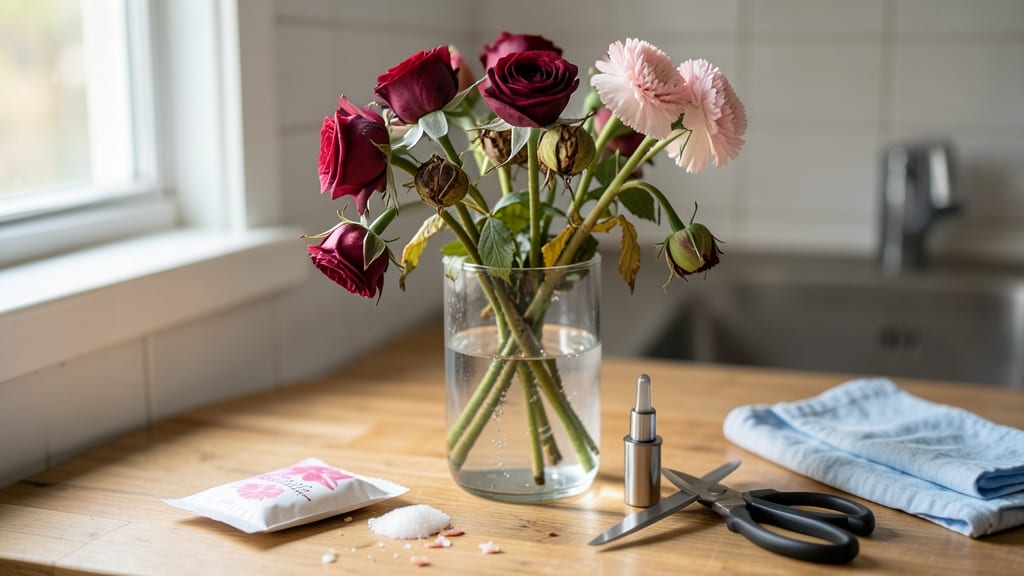
Reviving flowers that have lost their vibrancy is easier than you think—with the right care, you can bring flowers back to life and keep them thriving for days or even weeks.
Picture this: your favorite bouquet or potted perennial flowers 🌸 suddenly droops, leaving you wondering if they’re beyond saving. The good news? Most wilting is temporary, and simple fixes like proper hydration, trimming, and even a little science can work miracles.
Whether you’re dealing with a store-bought arrangement or your beloved outdoor perennials, the key lies in understanding what’s causing the stress—whether it’s dehydration, clogged stems, or poor lighting.
I’ll walk you through three proven steps to revive them in just 24 hours, plus tips to keep them looking fresh longer.
No more tossing wilted blooms in the trash—learn how to nurse them back to health and enjoy their beauty for weeks to come!
How to revive wilted flowers using water and science
Wilted flowers lose their vibrancy due to dehydration, blocked stem vessels, or nutrient depletion. The good news? Most can bounce back with the right rehydration techniques. Flowers absorb water through tiny tubes in their stems, so the key is removing air bubbles and restoring moisture flow.
Whether you're saving a grocery bouquet or your houseplant, these steps work like magic.
Before diving in, check for irreversible damage. If stems are mushy, leaves are yellowed with black spots, or the flowers smell foul, they may be beyond saving.
But if they're just droopy, we can bring them back to life! Start by preparing a clean vase with room-temperature water—cold water can shock the stems.
Flowers wilt primarily due to transpiration, where they lose water faster than they can absorb it.
Common causes include overcrowded stems in the vase (competing for water), ethylene gas from ripe fruits nearby, or ethylene-producing flowers like lilies and roses speeding up the aging process of others in the bouquet.
To prevent future wilting, separate flowers by type when arranging—group ethylene-sensitive blooms (like carnations and alstroemeria) away from ethylene producers. Also, avoid placing bouquets in drafty areas or near heating vents, which dry out stems quickly.
For long-term storage, trim stems, wrap them in a damp paper towel, and refrigerate for up to a week.
For houseplants with wilted leaves, the approach differs slightly. Instead of cutting stems, focus on root health. Check for overwatering (soggy soil) or underwatering (dry, crumbly soil). Repot if roots are circling or mushy, and water only when the top 1-2 inches of soil feel dry.
Mist leaves occasionally to increase humidity, which helps revive drooping foliage.
With these science-backed techniques, you’ll extend the life of your flowers by days or even weeks. The secret lies in understanding how plants drink—just like we do—and giving them the right conditions to thrive.
Next time you see a wilted bloom, don’t toss it—give it a second chance! 🌸
Best flower food solutions for long-lasting blooms (DIY vs store-bought)
Reviving your wilted flowers starts with the right flower food solution. Whether you prefer homemade mixes or store-bought packets, each option has unique benefits. For example, roses thrive with sugar-based solutions, while lilies benefit from bleach-free alternatives. Let’s compare your choices to keep blooms fresh longer.
Homemade flower food is budget-friendly and customizable, but commercial options offer convenience and precision. A simple sugar and bleach mix (1 tbsp sugar + 2 drops bleach per quart) extends vase life by 2-5 days, while store-bought versions often include preservatives and nutrients for extended freshness.
The key is matching the solution to your flower type.
For carnations, a vinegar-based solution (1 tsp vinegar + 1 tsp sugar per quart) works wonders, while orchids prefer distilled water with a pinch of citric acid.
Commercial flower food typically contains sugar, bleach, and acidifiers to slow bacterial growth and feed stems. The trade-off? Homemade is cheaper, but store-bought ensures consistency.
| Solution Type | Best For | Effectiveness | Cost | Ease of Use |
|---|---|---|---|---|
| Sugar + Bleach | Roses, Peonies | ⭐⭐⭐⭐ (3-5 days) | $0.10/quart | ⭐⭐⭐⭐⭐ (Easy) |
| Vinegar + Sugar | Carnations, Daisies | ⭐⭐⭐ (2-4 days) | $0.05/quart | ⭐⭐⭐⭐ (Easy) |
| Citric Acid (DIY) | Orchids, Lilies | ⭐⭐⭐⭐ (4-6 days) | $0.20/quart | ⭐⭐⭐ (Moderate) |
| Store-Bought Packets | All Flowers | ⭐⭐⭐⭐⭐ (5-10 days) | $0.50/packet | ⭐⭐⭐⭐⭐ (Easy) |
Store-bought flower food often includes preservatives like silver thiosulfate, which inhibits bacterial growth better than homemade solutions. For long-lasting blooms, commercial options are ideal if you want minimal effort. However, if you’re reviving budding flowers or sensitive varieties like lilies, a homemade citric acid mix is gentler.
To maximize results, always trim stems at an angle before placing them in fresh water or solution. Change the water every 2-3 days, even with flower food, to prevent bacterial buildup.
For tropical flowers, avoid vinegar—it can damage delicate petals. Instead, opt for a sugar-only solution or store-bought preservatives.
Experiment with both DIY and commercial options to see what works best for your flower arrangements. A little trial and error will help you find the perfect balance of cost, effectiveness, and ease for your garden or bouquets. Happy reviving! 🌸