
Flowers
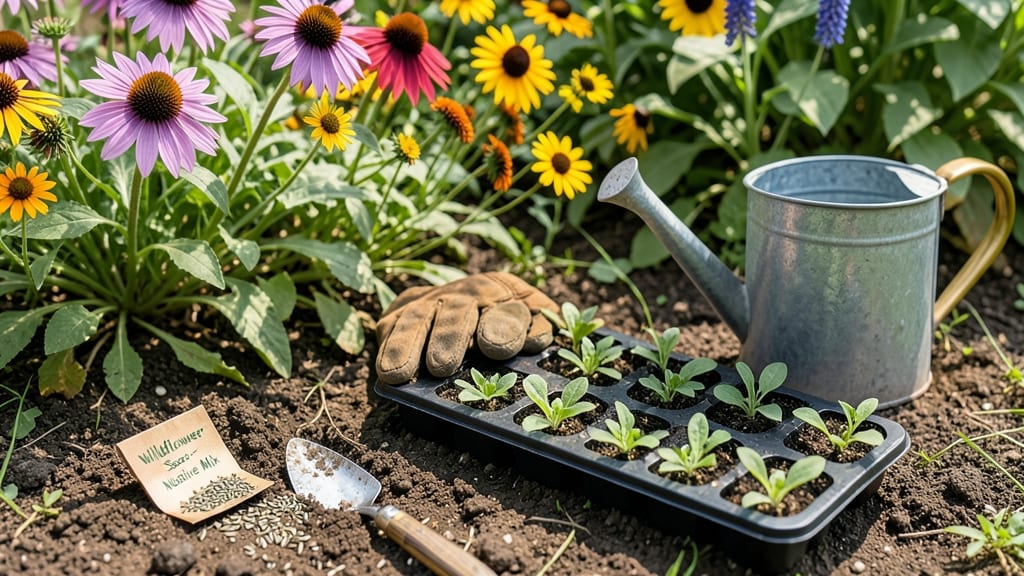
Planting wildflowers in Zone 6 at the right time means the difference between a vibrant meadow and a frost-killed mess.
Zone 6 gardeners know the struggle—plant wildflowers too early, and frost will wipe them out; too late, and you miss peak blooms. Timing is everything for vibrant, low-maintenance meadows that thrive year after year.
Your best bets are early spring (March to April) or early fall (September to October), when soil temperatures are just right for germination. This gives 🌼 wildflowers a head start before summer heat or winter frost sets in.
Below, I’ll break down the exact frost-free windows, soil prep tips, and the top varieties that forgive timing mistakes—so you can enjoy blooms from late spring to early fall.
Best planting windows for wildflowers in Zone 6 by seed type
Timing your wildflower planting in Zone 6 can mean the difference between a vibrant meadow and a failed experiment. Since this zone experiences 165 frost-free days, knowing when to sow each type of wildflower ensures strong germination and peak blooms throughout the season.
The key is understanding how annuals, perennials, and native mixes respond to temperature shifts and soil conditions.
For annual wildflowers, like Cosmos and Zinnias, the spring window (March-April) is ideal because they complete their life cycle in one season. However, some hardy annuals, such as Black-Eyed Susans, can also be sown in early fall (September) for a spring show.
Meanwhile, perennials, like Coneflowers and Bee Balm, need early spring or late summer planting to establish roots before winter.
Native wildflower mixes often include a blend of both annuals and perennials, so their planting window depends on the dominant species. For example, a mix heavy in Goldenrod or Milkweed thrives with late summer sowing, while a mix with Sunflowers or Poppies prefers spring planting. Always check the seed packet for specific recommendations, as some native mixes are designed for fall planting to take advantage of cooler soil temperatures.
Microclimates in Zone 6 can shift planting windows by 2-4 weeks. A south-facing slope warms up faster in spring, allowing earlier sowing, while a shady valley may delay germination.
Pay attention to local frost dates—your last frost typically occurs around mid-April, but this can vary by 1-2 weeks depending on elevation and proximity to large bodies of water.
Soil temperature is another critical factor. Wildflower seeds generally need soil that’s at least 45°F (7°C) for consistent germination. Use a soil thermometer to monitor conditions, especially in early spring when unpredictable cold snaps can occur.
In Zone 6a (colder end of the zone), wait until late April for spring planting, while Zone 6b (warmer) may be ready by early April.
| Wildflower Type | Best Planting Window | Soil Temp Requirement | Key Notes |
|---|---|---|---|
| Annual Wildflowers (Cosmos, Zinnias) | March–April (spring) or September (fall) | 45–60°F (7–15°C) | Fast germination; avoid late fall planting. |
| Perennial Wildflowers (Coneflowers, Bee Balm) | Early April or late August | 50–65°F (10–18°C) | Establish roots before winter; mulch after planting. |
| Native Wildflower Mixes (Milkweed, Goldenrod) | Late August–September (fall) or April (spring) | 55–70°F (13–21°C) | Fall planting reduces weed competition. |
| Sunflowers (Annual) | April–May (spring) | 50–60°F (10–15°C) | Direct sow after last frost; tall varieties need staking. |
| Poppies (Annual/Perennial) | September–October (fall) or March (spring) | 40–50°F (4–10°C) | Fall-sown poppies bloom earlier in spring. |
If you’re planting in late summer (August), focus on perennials and native mixes that benefit from cooler soil. These seeds often germinate slowly in heat but establish stronger roots before winter.
For example, Black-Eyed Susans sown in August will produce more robust blooms the following year compared to spring planting. Always water deeply after sowing to encourage germination, especially in dry Zone 6 summers.
For spring planting, aim to finish sowing by mid-May to give seeds time to germinate before summer heat sets in. If you miss this window, consider using seedling trays indoors under grow lights, then transplant outdoors after the last frost.
This method works well for delicate annuals like Baby’s Breath or Sweet Alyssum, which struggle with direct summer heat.
Don’t overlook the benefits of fall planting for wildflowers. Cooler temperatures and moist soil create ideal conditions for seed germination. Many native perennials, such as Purple Coneflower, thrive when sown in September because they avoid summer drought stress.
Plus, fall-planted wildflowers often bloom earlier the following spring, giving you a head start on pollinator support.
Finally, adjust your planting schedule based on local microclimates. A south-facing garden may be ready for spring sowing by early April, while a north-facing area might need to wait until mid-May. Observe your garden’s
How to adjust planting dates for Zone 6’s unpredictable spring frost
Zone 6’s unpredictable frost dates can turn a perfect wildflower meadow into a sad, frozen memory. Even experienced gardeners like me have lost seedlings to late frosts, but with the right adjustments, you can extend your planting window and still enjoy vibrant blooms all season.
The key lies in soil temperature, frost date calculators, and smart preparation strategies that buy you time when Mother Nature plays tricks.
First, don’t rely solely on the average last frost date for your area—those are just guidelines. Instead, track your local microclimates (like sunny slopes or low-lying areas) and use soil thermometers to confirm when temperatures consistently stay above 40°F (4°C) for at least a week.
This simple tool can add 2-3 weeks to your safe planting window, giving wildflowers like Black-Eyed Susans or Coneflowers the head start they need.
⚠️ WARNING: Common Mistake That Kills Wildflowers Planting too early based on calendar dates (not soil conditions) is the #1 reason wildflowers fail in Zone 6. Seeds sown in cold, wet soil rot before germinating, while young seedlings can’t survive even light frosts.
Even hardy perennials like Goldenrod need stable warmth to break dormancy. Use this rule: Wait until soil is workable (not just air temperatures)—press your finger in and check for moisture. If it sticks, wait longer.
For gardeners who missed the spring window, don’t despair—fall planting is your secret weapon. Zone 6’s early September is ideal for cool-season wildflowers like Aster or Yarrow, which germinate in fall and establish roots before winter.
These varieties handle light frosts and often bloom earlier the following year. Pro tip: Mulch lightly after sowing to protect seeds from late-season rains while allowing sunlight to reach the soil.
When in doubt, use the 500-degree-day rule for wildflowers: most varieties need 500+ growing degree days (calculated by averaging daily highs/lows above 50°F) to mature. Tools like the Almanac’s Frost Calculator (available online) can give you a personalized countdown based on your ZIP code.
For example, if your area has 165 frost-free days, aim to plant by mid-April for spring blooms or early September for fall sowing.
Last-minute adjustments work too! If you’re planting late, choose fast-germinating varieties like Sweet Alyssum (germinates in 7–14 days) or Cosmos (tolerates heat). Pair them with row covers or cloches for the first 2 weeks to shield tender seedlings.
Even a simple cold frame made from a plastic bin can raise soil temps by 5–10°F, giving your wildflowers a fighting chance against late frosts.
Remember, wildflowers are resilient—they’re built to thrive in unpredictable conditions. By combining soil tests, frost calculators, and smart variety choices, you can turn Zone 6’s unpredictable spring into your advantage. The result? A longer bloom season and a meadow that’s as hardy as you are. Happy planting!