
Flowers
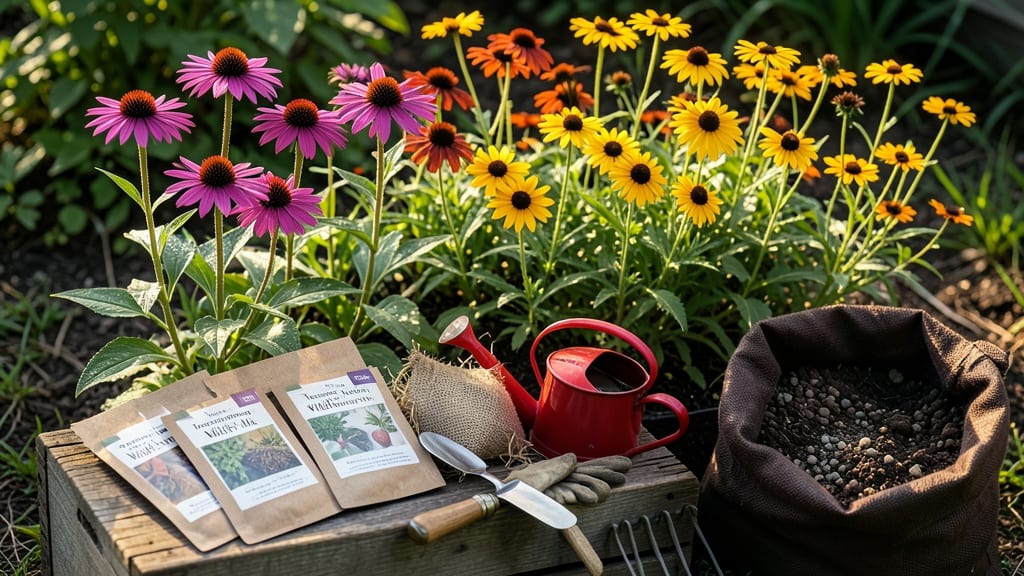
Planting wildflowers in Tennessee at the right time ensures vibrant blooms from spring to fall, whether you’re in the Appalachian foothills or the Mississippi River plains.
Miss that window, and frost or summer heat can leave you staring at bare soil instead of a pollinator paradise. The secret? Timing—and it’s different for each region, from Zone 6a’s late-March start to Zone 8a’s February kickoff.
Here’s the exact schedule for long-lasting color, including native species that thrive in Tennessee’s soil and how to adjust for microclimates—whether you’re planting in a shady cove or a sunbaked city lot.
You’ll learn when to sow seeds for spring blooms, how to extend the season with fall plantings, and which wildflowers will reward you with nonstop blooms from May through September.
Best wildflower planting months by Tennessee region (with frost-free deadlines)
Tennessee’s three distinct regions—East Tennessee’s mountains, Middle Tennessee’s valleys, and West Tennessee’s plains—each have unique frost patterns and soil temperatures that dictate when to plant wildflowers. Native species like black-eyed Susans thrive with precise timing, while non-natives like cosmos offer more flexibility.
Let’s break down the ideal planting windows to ensure your wildflowers take root and bloom beautifully.
In East Tennessee (USDA zones 6a–7a), where cooler temperatures linger longer, your last frost typically arrives around April 15–May 1. For Middle Tennessee (zones 7a–7b), expect frost-free conditions by March 20–April 1.
Meanwhile, West Tennessee’s plains (zones 7b–8a) warm up earliest, with last frosts around March 1–March 15. These deadlines are critical for seed germination, which requires soil temperatures of 55–75°F.
| Region | Last Frost Date | Ideal Planting Window | Soil Temp for Germination | Best Wildflowers |
|---|---|---|---|---|
| East Tennessee (Mountains) | April 15–May 1 | April–May (spring) or September (fall) | 55–65°F | Wild columbine, bloodroot, phlox |
| Middle Tennessee (Valleys) | March 20–April 1 | March–April (spring) or August–September (fall) | 60–70°F | Black-eyed Susan, coneflower, butterfly weed |
| West Tennessee (Plains) | March 1–March 15 | February–March (spring) or July–August (fall) | 65–75°F | Cosmos, zinnias, coreopsis |
For spring planting, focus on annual wildflowers like cosmos and zinnias, which germinate quickly in warm soil.
These non-natives are forgiving and bloom fast, making them perfect for late spring color. Perennial wildflowers, such as purple coneflower or bee balm, benefit from fall planting (August–October) because they establish roots before winter and bloom vigorously the following year.
In East Tennessee’s cooler microclimates, prioritize shade-tolerant natives like wild columbine or bloodroot. These species thrive in the dappled light of wooded edges and flower earlier in the season. Meanwhile, West Tennessee’s hotter, drier conditions favor drought-resistant annuals like coreopsis or blanket flower, which require minimal water once established.
Timing matters most for seed germination. If you plant too early, seeds may rot in cold, wet soil. Too late, and summer heat can dry them out before sprouting. Fall planting (August–October) is ideal for perennials, as cooler temperatures reduce stress on young roots.
For annuals, sow seeds as soon as the soil reaches 60°F—typically March–April in Middle Tennessee and February–March in West Tennessee.
Pro tip: Use a soil thermometer to monitor temperatures. Most wildflower seeds need 55–75°F soil to germinate. In East Tennessee, wait until late April or early May to avoid frost damage.
In West Tennessee, you can start as early as February if the ground isn’t waterlogged. Always loosen the soil and remove weeds before sowing for better seed-to-soil contact.
Native wildflowers like black-eyed Susans and butterfly weed are low-maintenance and attract pollinators. Plant them in full sun with well-draining soil for best results. Non-natives like cosmos or zinnias offer vibrant colors but may require more frequent watering during dry spells.
Choose based on your region’s climate and your garden’s sunlight conditions.
Don’t forget about first-year blooms versus established plants. Annuals like cosmos will flower within 6–8 weeks of planting, while perennials like coneflowers may take 1–2 years to reach their full potential. Plan your garden layout to include a mix of both for year-round color and pollinator support.
If you’re unsure about your region’s frost dates, check the Tennessee State Climatology Office or use a frost calendar app for real-time updates.
Adjust your planting schedule based on local weather patterns, and always keep an eye on soil moisture—wildflowers hate soggy roots but love consistent watering during their first few weeks of growth.
With
How to adjust planting for Tennessee’s microclimates (shade, altitude, and soil differences)
Tennessee’s microclimates create unique challenges for wildflower gardeners. High-altitude coves in East Tennessee can stay frost-prone until May, while urban heat islands in Nashville bake seeds before they sprout.
Even soil composition varies dramatically—limestone beds in West Tennessee drain too fast, while clay soils in Middle Tennessee hold moisture like a sponge. Adjusting your planting strategy to these conditions ensures your wildflowers thrive.
Start by identifying your specific microclimate type. Shady woodlands (common in Appalachian valleys) need moisture-loving species like wild columbine (Aquilegia canadensis), while sun-baked limestone outcrops in West Tennessee demand drought-tolerant picks like purple coneflower (Echinacea purpurea).
Soil tests reveal whether you need to amend clay with compost or add organic mulch to limestone beds to retain moisture.
🌱
Adjusting for Tennessee Microclimates
🌿 Shady Woodlands (East TN)
- Pros: Cooler temps, less water stress
- Cons: Limited sun for sun-lovers
☀️ Urban Heat Islands (Middle/West TN)
- Pros: Extended growing season
- Cons: Soil can dry out quickly
🪴 Limestone Beds (West TN)
- Pros: Well-draining, alkaline soil
- Cons: Nutrient-poor, dry conditions
🌡️ High-Altitude Coves (Appalachia)
- Pros: Longer frost-free season
- Cons: Late spring planting risks
For high-altitude areas above 2,000 feet, delay planting until after May 15 to avoid late frosts. Use row covers to extend your season by 3-4 weeks—just weigh them down with bricks to prevent wind damage.
In urban heat zones, plant heat-tolerant species like Mexican sunflower (Tithonia rotundifolia) and water deeply in the early morning to reduce evaporation.
Soil amendments make all the difference. Clay-heavy soils benefit from a 2-inch layer of pine bark fines mixed into the top 6 inches, while limestone beds thrive with a top dressing of composted manure to boost organic matter.
Test your soil’s pH level—most wildflowers prefer 6.0 to 7.0, but blueberries (if included) need acidic soil (4.5-5.5).
Consider succession planting to maximize blooms. In shady areas, sow spring ephemerals like bloodroot in September for early spring blooms, then follow with shade-tolerant perennials like foamflower in April. In sunny limestone beds, plant annuals like cosmos in late May after the soil warms to 60°F.
Monitor your garden’s microclimate shifts throughout the year. A south-facing slope may bake seeds in July but offer ideal conditions in September. Use drip irrigation on limestone beds to deliver water directly to roots, and mulch heavily in clay soils to prevent cracking.
With these adjustments, your wildflowers will flourish year-round, no matter where you garden in Tennessee.
🌻